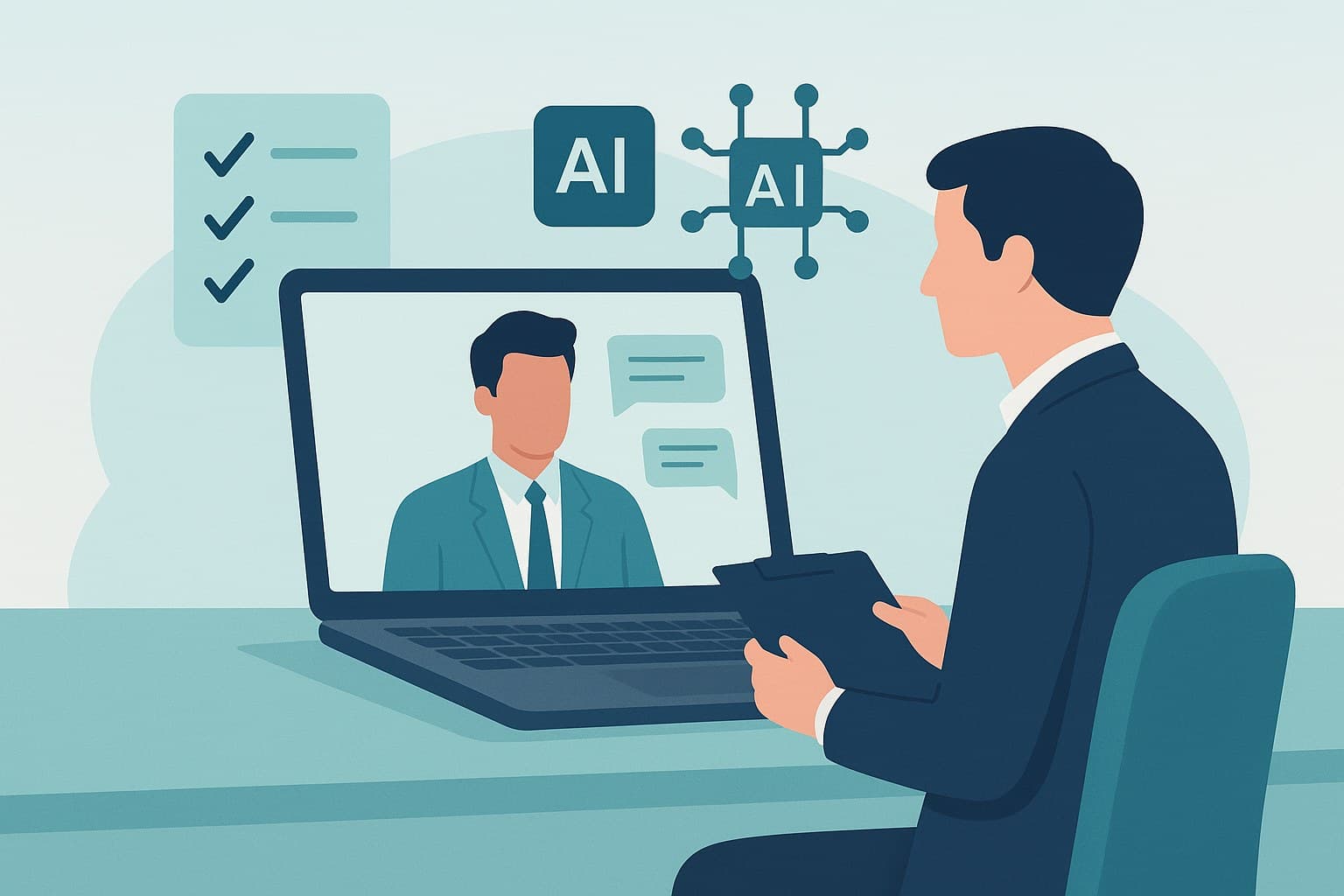
Mastering Assessment Tests in Hiring: A Guide for Job Seekers
Assessment tests in hiring are becoming increasingly prevalent, influencing how employers select candidates. As a job seeker, understanding these tests can significantly enhance your chances of landing a job. This guide dives into the types of assessment tests you might encounter, common challenges, and actionable strategies to succeed.
The Importance of Assessment Tests in Hiring
Assessment tests are crucial in hiring as they offer employers a standardized method to evaluate candidates' skills, personality traits, and cognitive abilities. These tests help employers ensure that they select candidates who not only have the right qualifications but also fit well with the company culture. For job seekers, understanding why these tests are important can help you better prepare and perform.
These tests often serve as a preliminary filter in the recruitment process. They allow employers to sift through a large pool of candidates efficiently. For instance, a tech company might use coding tests to evaluate a software developer's problem-solving skills before moving on to interviews. This means that excelling in these tests can substantially boost your chances of progressing to the next stage.
Furthermore, assessment tests aim to reduce bias in hiring. By providing objective data, they help prevent decisions based purely on subjective impressions. For you, this means that strong performance in an assessment can speak volumes about your capabilities, sometimes even outweighing a less-than-perfect resume.
Common Challenges and Misunderstandings
Despite their importance, assessment tests often come with challenges and misunderstandings. Many job seekers feel anxious about these tests, fearing that they might not reflect their true abilities. Understanding these challenges is the first step in overcoming them.
A common misconception is that assessment tests are solely about intelligence or technical skills. In reality, these tests often assess a variety of attributes, including personality, emotional intelligence, and cultural fit. For example, a customer service role might prioritize emotional intelligence and communication skills over technical knowledge.
Another challenge is the unfamiliarity with the test formats. Many candidates feel unprepared because they are not used to the types of questions or the testing environment. This lack of familiarity can lead to stress and suboptimal performance.
Additionally, some candidates misinterpret the purpose of the tests, viewing them as hurdles rather than opportunities. This mindset can hinder your ability to showcase your strengths. It’s crucial to approach these tests as a chance to demonstrate your suitability for the role.
Understanding the Core Concepts of Assessment Tests
Grasping the core concepts of assessment tests can demystify the experience and improve your performance. Let's break down the fundamental elements of these tests.
Firstly, there are various types of assessment tests, each designed to measure different attributes. Cognitive ability tests evaluate logical reasoning, problem-solving, and comprehension skills. Personality tests assess traits such as adaptability, teamwork, and leadership potential. Skills tests, on the other hand, measure your proficiency in specific tasks relevant to the job, such as typing speed or technical skills.
Understanding the format of these tests is equally important. They can be delivered online or in-person and may consist of multiple-choice questions, simulations, or interactive tasks. Familiarizing yourself with these formats can alleviate anxiety and improve your performance.
Moreover, knowing that these tests often have time limits can help you manage your pace during the assessment. Practicing under timed conditions can prepare you for the real test, ensuring you can think quickly and efficiently.
Strategies for Excelling in Assessment Tests
To excel in assessment tests, you need a strategic approach that includes preparation, practice, and mindset adjustment. Here are some practical steps you can take.
Start by conducting thorough research on the types of assessment tests you might face for the role you're applying for. Many companies inform candidates about the tests in advance, allowing you to prepare accordingly. Use online resources and practice tests to familiarize yourself with the test format and types of questions.
Develop a study plan that focuses on improving areas where you feel less confident. For instance, if you're applying for a data analysis position, practicing numerical reasoning and data interpretation can be beneficial. Regular practice helps build confidence and improve accuracy.
Additionally, work on your test-taking strategies. Learn to manage your time effectively, ensuring that you allocate enough time to each question without rushing. Practice reading questions carefully to avoid misunderstandings, and use the process of elimination on multiple-choice questions to increase your chances of selecting the correct answer.
Finally, focus on maintaining a positive mindset. Viewing the test as an opportunity rather than a threat can alleviate stress. Remember, these tests are just one component of the hiring process.
Anonymous Scenarios and Common Pitfalls
To bring these concepts to life, let’s consider an anonymous scenario. Imagine a hiring manager at a mid-size tech firm conducting assessments for software developer candidates. They use coding tests to evaluate candidates' problem-solving skills and technical proficiency.
Some candidates, despite having strong resumes, fail the coding test due to a lack of preparation and practice. Others, who might not have the most impressive resumes, excel in the tests because they have practiced similar problems and are comfortable with the test environment. This scenario highlights the importance of preparation and the potential pitfalls of underestimating these tests.
Common pitfalls include overconfidence, which can lead to a lack of preparation, and underconfidence, which might cause excessive anxiety and second-guessing during the test. Another trap is focusing solely on technical skills and neglecting other aspects like personality assessments, which are equally important in many roles.
Conclusion
Assessment tests in hiring are an integral part of the recruitment process, providing valuable insights into candidates' abilities and fit for the role. As a job seeker, understanding these tests and preparing strategically can enhance your chances of success. Approach these assessments as opportunities to showcase your strengths and fit for the role. Remember, thorough preparation, strategic practice, and a positive mindset are your best allies. Are you ready to transform these challenges into opportunities and succeed in your next job application?
Frequently Asked Questions
Key questions often raised by business leaders and HR teams:
What are assessment tests in hiring?
Assessment tests are standardized tools used by employers to evaluate candidates' skills, personality traits, and cognitive abilities during the hiring process.
How can I prepare for assessment tests?
You can prepare by researching the specific tests you might encounter, practicing with online resources, and developing a study plan to improve your weaker areas.
What types of assessment tests are commonly used?
Common types include cognitive ability tests, personality tests, and skills tests, each designed to measure different attributes relevant to the job.
How do assessment tests reduce bias in hiring?
By providing objective data on candidates' abilities, assessment tests help employers make more informed decisions, minimizing reliance on subjective impressions.
What mindset should I have when taking assessment tests?
Approach these tests as opportunities to showcase your strengths rather than hurdles to overcome, which can help reduce anxiety and improve performance.