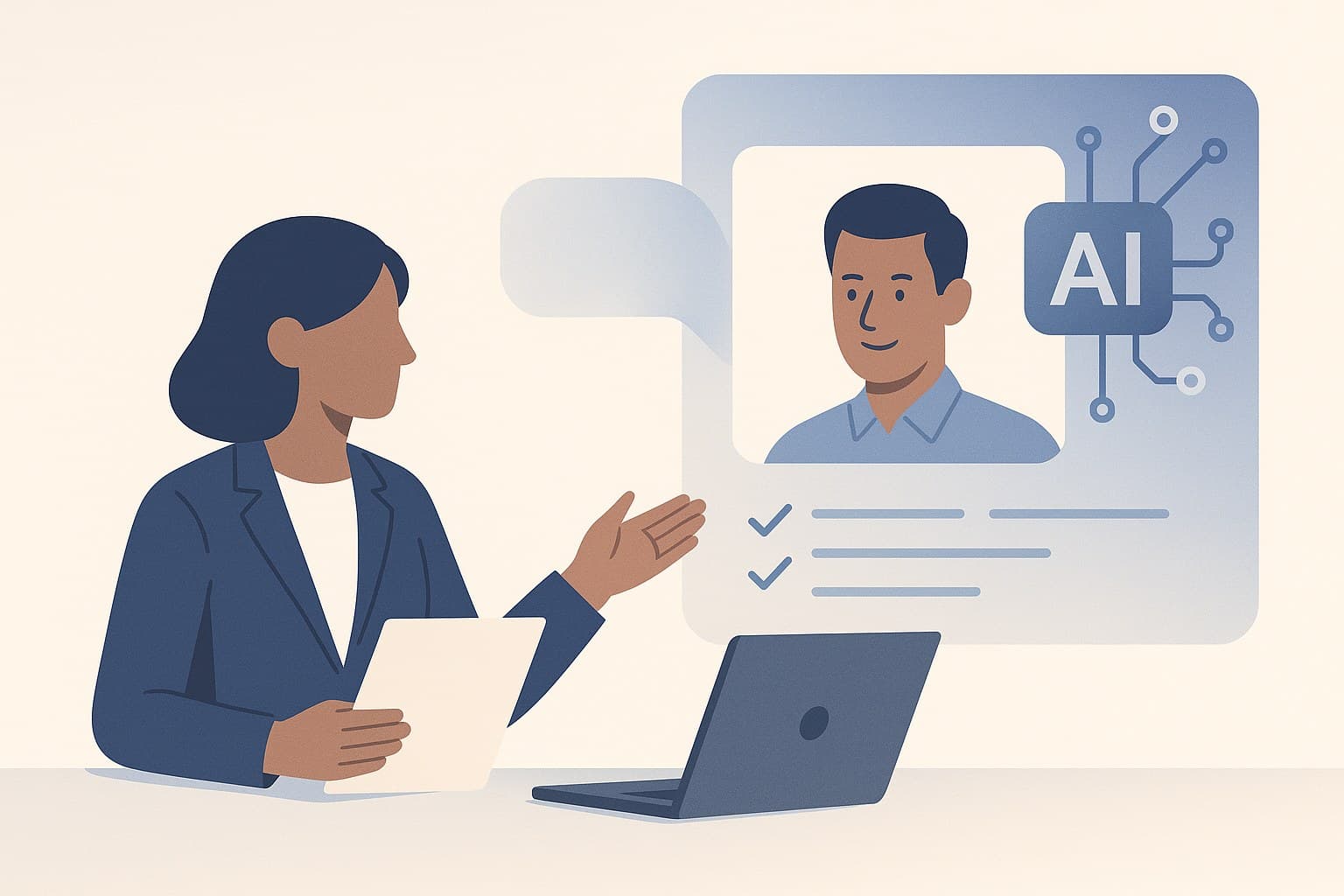
Building Confidence for Interviews: Strategies and Tips
Facing an interview can be one of the most nerve-wracking experiences in a job seeker's journey. The pressure to make a positive impression while effectively communicating your skills and experiences can be overwhelming. But building confidence for interviews is crucial for success. This article explores practical strategies that can help job seekers, career changers, and recent graduates prepare effectively and walk into interviews with confidence.
Understanding the Importance of Confidence in Interviews
Confidence during interviews is pivotal as it directly impacts how you present yourself to potential employers. When you exude confidence, you convey competence, preparedness, and the ability to handle job responsibilities. Employers often associate confidence with capability and are more likely to trust you with important tasks. For many hiring managers, a confident candidate can often overshadow one with better qualifications but less self-assurance.
However, confidence doesn't always come naturally, especially for those entering the job market for the first time or transitioning into a new career. Understanding its importance is the first step towards building it. Without confidence, even the most qualified individuals may fail to articulate their strengths effectively, leading to missed opportunities.
Common Challenges and Misconceptions About Interview Confidence
Many job seekers face common challenges when it comes to building confidence for interviews. A prevalent misconception is that confidence is an inherent trait, something you either have or you don't. This belief can be discouraging for those who naturally feel anxious or self-doubting. In reality, confidence can be cultivated through preparation and practice.
Another challenge is the fear of rejection or failure. This fear can paralyze individuals, making them second-guess their abilities and qualifications. It is crucial to reframe this fear as a normal part of the interview process. Every interview is an opportunity to learn and grow, regardless of the outcome.
Additionally, some candidates believe that confidence equates to arrogance. This misconception leads to an overly cautious approach, resulting in a lack of assertiveness. Confidence should be balanced with humility—it's about presenting your best self without exaggeration or false bravado.
Core Principles for Building Interview Confidence
Building confidence for interviews involves understanding and implementing several core principles. Firstly, thorough preparation is key. Knowing the job description inside out, researching the company, and understanding the industry trends can provide a solid foundation. This preparation allows you to anticipate questions and formulate thoughtful responses.
Secondly, self-awareness is crucial. Recognize your strengths and weaknesses, and be prepared to discuss them openly. Understanding your unique value proposition helps in articulating why you are the right fit for the role.
Another principle is the practice of positive visualization. Envisioning a successful interview can significantly boost your mental preparedness. Visualizing the process—from the greeting to the conclusion—can make the actual experience feel familiar and less intimidating.
Lastly, focus on your body language. Non-verbal cues such as eye contact, posture, and hand gestures play a significant role in conveying confidence. Practicing these elements can help reinforce your verbal messages, making you appear more self-assured.
Practical Steps to Enhance Interview Confidence
There are several actionable steps you can take to enhance your confidence before an interview. One effective approach is mock interviews. Practicing with a friend or mentor can provide valuable feedback and help you refine your responses. This exercise also helps in reducing anxiety by simulating the interview environment.
Another practical step is to prepare your personal narrative. This involves creating a cohesive story that highlights your career journey, achievements, and aspirations. A well-crafted narrative makes you memorable and provides a framework for answering various interview questions.
It is also beneficial to engage in regular self-reflection. After each interview, take time to evaluate your performance. Identify what went well and what could be improved. This reflection is essential for continuous improvement and building confidence over time.
Finally, consider adopting relaxation techniques such as deep breathing or mindfulness exercises. These practices can help calm your nerves and maintain focus during the interview.
Anonymous Scenarios and Common Pitfalls
Let's consider a scenario involving a hiring manager at a mid-size tech firm. They are interviewing candidates for a software developer position. The hiring manager notices that while one candidate has an impressive resume, they seem overly anxious during the interview. The nervousness hinders their ability to clearly communicate their technical skills.
In contrast, another candidate with less experience approaches the interview with calm confidence. They articulate their problem-solving skills and knowledge effectively, leaving a lasting impression. This scenario illustrates how confidence can sometimes outweigh experience in the eyes of employers.
Common pitfalls include over-preparing to the point of sounding rehearsed or failing to listen actively during the interview. It's important to strike a balance between preparation and adaptability. Interviews are dynamic conversations, and the ability to engage naturally is key to demonstrating confidence.
Conclusion
Building confidence for interviews is a continuous process that involves preparation, self-awareness, and practice. By understanding the importance of confidence, recognizing common challenges, and implementing core principles, job seekers can enhance their interview performance. Practical steps such as mock interviews, self-reflection, and relaxation techniques further aid in boosting confidence.
Remember, each interview is an opportunity to grow and learn. Approach them with an open mind and a positive attitude. As you continue to refine your skills and strategies, you'll find yourself walking into interviews with newfound assurance and poise. What's your next step to build your interview confidence?
Frequently Asked Questions
Key questions often raised by business leaders and HR teams:
Why is confidence important in interviews?
Confidence helps you present yourself effectively and conveys competence to potential employers. It can often outweigh qualifications in the hiring process.
How can I prepare to build my interview confidence?
Thorough preparation, including researching the company and practicing responses, is key to building confidence for your interview.
What are some common misconceptions about interview confidence?
Many believe confidence is an inherent trait, but it can be developed through practice and positive experiences.
What role does body language play in interviews?
Body language, such as eye contact and posture, significantly influences how confident you appear to interviewers.
How can I manage anxiety before an interview?
Techniques like deep breathing and mindfulness exercises can help calm nerves and enhance focus during the interview.