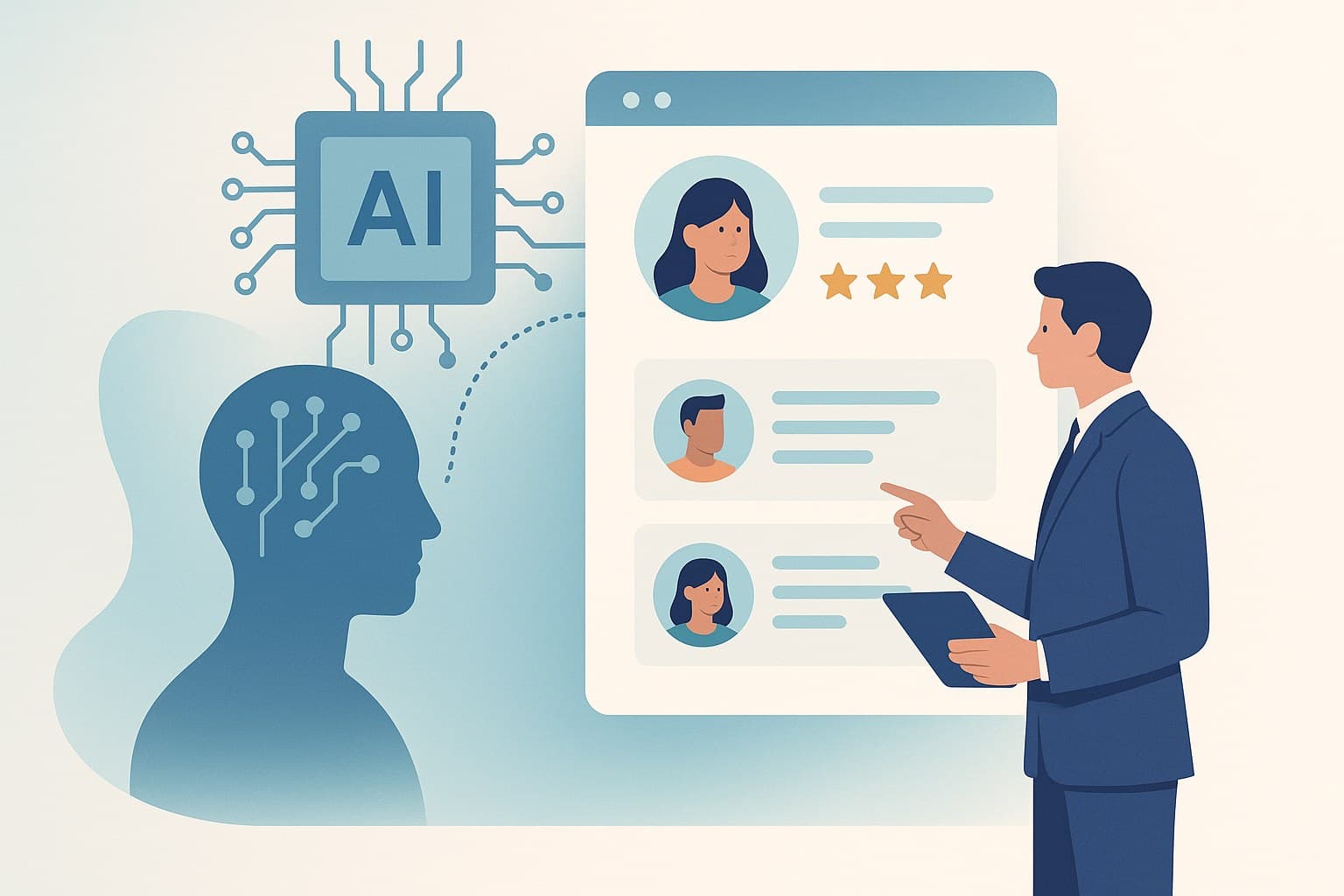
Mastering Mock Interviews for Job Preparation Success
Preparing for job interviews can be a daunting task, especially when faced with stiff competition and the pressure to make a great first impression. Mock interviews are a powerful tool in the job preparation toolkit, offering a realistic simulation of actual interview scenarios. They not only help alleviate anxiety but also provide valuable insights into your strengths and weaknesses. In this article, we will explore the importance of mock interviews, common challenges faced by job seekers, and actionable strategies to enhance your interview performance through effective practice.
Why Mock Interviews are Crucial in Job Preparation
Mock interviews serve as a crucial step in job preparation by simulating real interview environments. They give job seekers the opportunity to practice responding to questions and showcase their skills without the stress of a real interview. This practice is important because it allows candidates to familiarize themselves with the interview process and develop effective communication strategies.
Moreover, mock interviews help identify areas of improvement, enabling candidates to refine their answers and presentation. For example, a hiring manager at a mid-size tech firm might use mock interviews to evaluate how well a candidate articulates technical concepts. This feedback loop is essential for building confidence and ensuring candidates can present their best selves during actual interviews.
Common Challenges Faced by Job Seekers
Job seekers often encounter several challenges during the interview process. Nerves and anxiety are common, often leading to poor performance despite adequate preparation. Mock interviews can help mitigate these issues by providing a safe space to practice and receive constructive feedback.
Another challenge is the lack of self-awareness. Many candidates are unaware of how they come across to interviewers. Mock interviews, especially when recorded, allow individuals to review their performance and make necessary adjustments. This awareness is crucial in avoiding pitfalls such as speaking too rapidly, using filler words, or failing to maintain eye contact.
Additionally, many job seekers struggle with behavioral questions that require specific examples from past experiences. Mock interviews help candidates structure their responses using techniques like the STAR method (Situation, Task, Action, Result), which provides a clear framework for answering such questions effectively.
Understanding the Core Concepts of Mock Interviews
At the heart of mock interviews is the concept of simulation. By mimicking real interview scenarios, candidates can practice their responses and receive feedback in a controlled environment. This process is akin to rehearsing for a play, where repetition and feedback lead to improvement.
Mock interviews often involve a set of standard questions tailored to the specific job role. These questions focus on both technical skills and soft skills such as communication, problem-solving, and teamwork. The goal is to prepare candidates for a wide range of questions they might encounter, ensuring they can adapt their responses to different situations.
Furthermore, mock interviews provide an opportunity to practice non-verbal communication. Body language, eye contact, and tone of voice play significant roles in how candidates are perceived. By practicing these elements, candidates can enhance their overall presentation and leave a positive impression on interviewers.
Steps to Conduct Effective Mock Interviews
Conducting effective mock interviews requires careful planning and execution. Here are some steps to ensure a productive session:
-
Identify the Job Role and Requirements: Understand the specific role you are preparing for, including the skills and qualifications required. This information will guide the selection of questions and scenarios for the mock interview.
-
Create a Realistic Environment: Simulate a real interview setting to make the experience as authentic as possible. This includes dressing appropriately, setting up a professional background, and minimizing distractions.
-
Develop a List of Questions: Prepare a mix of technical, behavioral, and situational questions relevant to the role. This will help you practice a variety of responses and cover all aspects of the interview.
-
Record the Session: Recording the mock interview allows you to review your performance objectively. Pay attention to your body language, tone, and clarity of responses.
-
Seek Constructive Feedback: Involve a mentor or peer to provide feedback on your performance. Constructive criticism helps identify areas of improvement and reinforces positive behaviors.
By following these steps, candidates can make the most of their mock interview sessions and enhance their readiness for actual interviews.
Anonymized Scenarios and Common Pitfalls
Consider the experience of a recent graduate preparing for a marketing position. During a mock interview, they might realize they struggle with articulating their internship experiences in a way that highlights relevant skills. With feedback, they can refine their answers to emphasize their contributions to successful campaigns, using specific metrics to demonstrate impact.
Another common pitfall is over-preparation. While it's important to be well-prepared, candidates should avoid memorizing responses verbatim, as this can lead to robotic or insincere delivery. Mock interviews help candidates learn to be flexible and adapt their responses to the flow of conversation.
Additionally, candidates often underestimate the importance of asking insightful questions at the end of an interview. Mock interviews provide the opportunity to practice this crucial aspect, ensuring candidates can engage interviewers and demonstrate their interest in the role and company.
Conclusion
Mock interviews are an indispensable tool in the job preparation process, offering candidates the chance to practice and refine their interview skills in a supportive environment. By addressing common challenges and pitfalls, understanding core concepts, and following structured steps, job seekers can significantly enhance their interview performance and confidence.
As you prepare for your next interview, consider incorporating mock interviews into your routine. They not only help you articulate your skills and experiences but also boost your confidence, ensuring you make a lasting impression on potential employers. What specific skills do you think you could improve through mock interviews? Reflect on this question and take the first step toward mastering your next job interview.
Frequently Asked Questions
Key questions often raised by business leaders and HR teams:
What are mock interviews?
Mock interviews are practice sessions that simulate real interview scenarios, helping candidates prepare for actual job interviews.
How can mock interviews help reduce anxiety?
By providing a safe space to practice, mock interviews help candidates build confidence and become more comfortable with the interview process.
What should I focus on during a mock interview?
Focus on your responses to questions, body language, and the clarity of your communication to ensure a well-rounded performance.
How can I get feedback from my mock interview?
Involve a mentor or a peer to observe your mock interview and provide constructive feedback on your performance.
What common mistakes should I avoid in mock interviews?
Avoid over-preparation and memorizing answers verbatim, as this can lead to a robotic delivery. Instead, aim for a natural and flexible conversation.