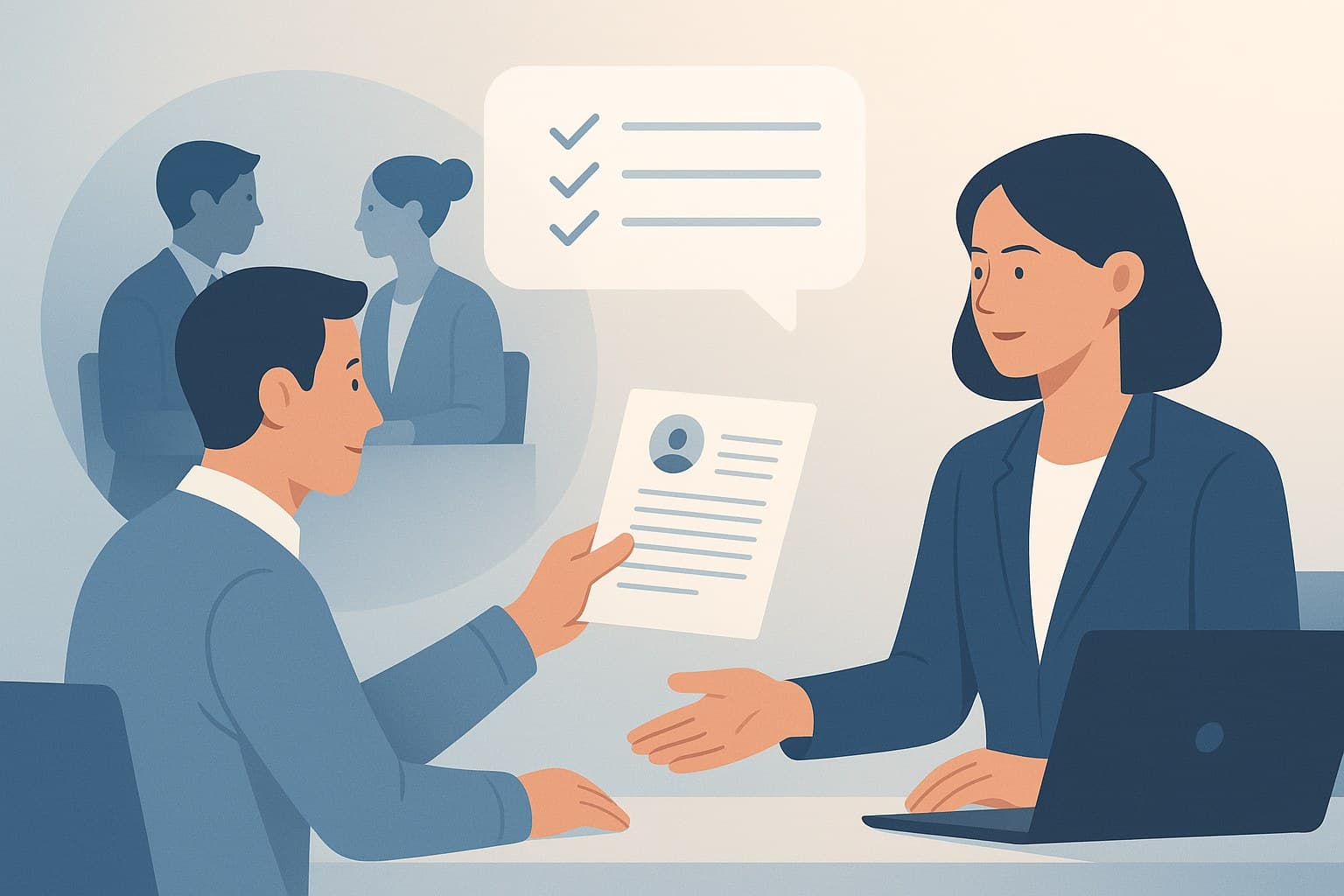
Mastering Panel Interviews: Essential Tips for Success
Panel interviews can be daunting, with multiple interviewers assessing your every move. Yet, mastering this format is crucial for job seekers aiming to stand out in today's competitive market. Whether you're a recent graduate or considering a career change, understanding how to navigate panel interviews can significantly enhance your confidence and performance. Let's dive into actionable strategies that will help you tackle these interviews with poise and effectiveness.
Why Panel Interviews Matter
Panel interviews are a staple in many recruitment processes. They allow companies to streamline their hiring by involving multiple decision-makers at once. This approach not only saves time but also ensures a comprehensive evaluation of candidates. For job seekers, excelling in a panel interview can demonstrate your ability to handle pressure and engage with diverse personalities simultaneously—skills that are highly valued in many roles.
Understanding why panel interviews are important can help you prepare more effectively. They highlight your ability to communicate with different stakeholders, a scenario often mirrored in workplace settings. Additionally, they provide an opportunity to showcase your teamwork skills and adaptability. Recognizing these benefits can transform your perception of panel interviews from intimidating to empowering.
Common Challenges and Misconceptions
Despite their advantages, panel interviews come with their own set of challenges. One common misconception is that more interviewers equal more pressure. However, viewing it as a conversation with multiple professionals rather than a trial can alleviate some of this stress. Another challenge is the fear of conflicting questions or being unable to satisfy all interviewers simultaneously.
To address these challenges, it's crucial to maintain a balanced focus. Remember, not all questions will come simultaneously, and interviewers often want to see how you think, not just the final answer. Practicing active listening and clarifying questions when needed can help you navigate potential conflicts. Additionally, misunderstanding the interviewers' roles can lead to misdirected responses. Researching the panel members' backgrounds beforehand can provide insights into their perspectives and expectations.
Core Concepts: Preparing for Success
Preparation is key to success in any panel interview. Start by researching the company and the panel members. Understanding their roles and contributions can guide your responses and help you connect with them on a personal level. Preparing a few tailored questions for each panel member can also demonstrate your enthusiasm and initiative.
Next, rehearse your responses to common interview questions. However, keep in mind that panel interviews can be dynamic, with follow-up questions based on your initial answers. Practicing flexibility in your responses while ensuring they remain relevant is crucial. Consider engaging in mock interviews with friends or mentors to simulate the panel environment and receive constructive feedback.
Effective Communication Techniques
Effective communication is the linchpin of a successful panel interview. Start by addressing your responses to the person who asked the question, but ensure you include the rest of the panel through eye contact and slight body orientation. This approach maintains engagement and demonstrates confidence.
Moreover, clarity and conciseness are vital. With multiple listeners, long-winded answers can lead to loss of interest or confusion. Instead, structure your responses using the STAR method (Situation, Task, Action, Result) to convey your points clearly and logically. Remember, maintaining a positive tone and being respectful of differing opinions can leave a lasting impression.
Handling Stress and Staying Confident
Stress management is critical during a panel interview. The presence of multiple interviewers can indeed be overwhelming, but employing stress-reduction techniques can help maintain your composure. Deep breathing exercises before entering the interview room can calm nerves and enhance focus. Additionally, positive visualization techniques—imagining a successful interview outcome—can boost your confidence.
Confidence often stems from preparation and self-belief. Remind yourself of your accomplishments and the unique value you bring to the table. Self-assured candidates often project confidence through their body language and speech, which can positively influence the panel's perception.
Navigating Tricky Situations
Panel interviews can occasionally throw curveballs your way. Tricky questions, unexpected interruptions, or technical issues can disrupt your flow. In such cases, maintaining your calm is crucial. If faced with a difficult question, take a moment to think before responding—silence is often better than a rushed answer.
If technical difficulties arise, such as issues with visual aids or presentation tools, be prepared with a contingency plan. Having printed copies of your presentation or being able to verbally articulate your points can save the day. Additionally, if an interviewer seems disengaged, re-engaging them with a direct question or addressing a topic related to their expertise can rekindle interest.
Conclusion
Panel interviews, while challenging, are an excellent opportunity to showcase your skills and adaptability. By understanding the dynamics of panel interviews and employing effective preparation and communication techniques, you can navigate these interviews with confidence and poise. Remember, the key is to remain composed, demonstrate your genuine interest, and engage with the interviewers thoughtfully.
As you prepare for your next panel interview, consider the strategies discussed and how they can be tailored to your unique strengths and experiences. What steps will you take to ensure you leave a lasting impression? Reflect on this question as you continue your journey toward career success.
Frequently Asked Questions
Key questions often raised by business leaders and HR teams:
What should I do to prepare for a panel interview?
Research the company and panel members, and prepare tailored questions for each member. Practicing common interview questions can also help.
How can I manage stress during a panel interview?
Employ deep breathing exercises and positive visualization techniques to calm your nerves and boost your confidence.
What communication techniques should I use in a panel interview?
Address your responses to the person who asked the question while maintaining eye contact with the entire panel. Use the STAR method for clear and concise answers.
How do I handle tricky questions during a panel interview?
Take a moment to think before responding. It's okay to pause, as silence can often be better than a rushed answer.