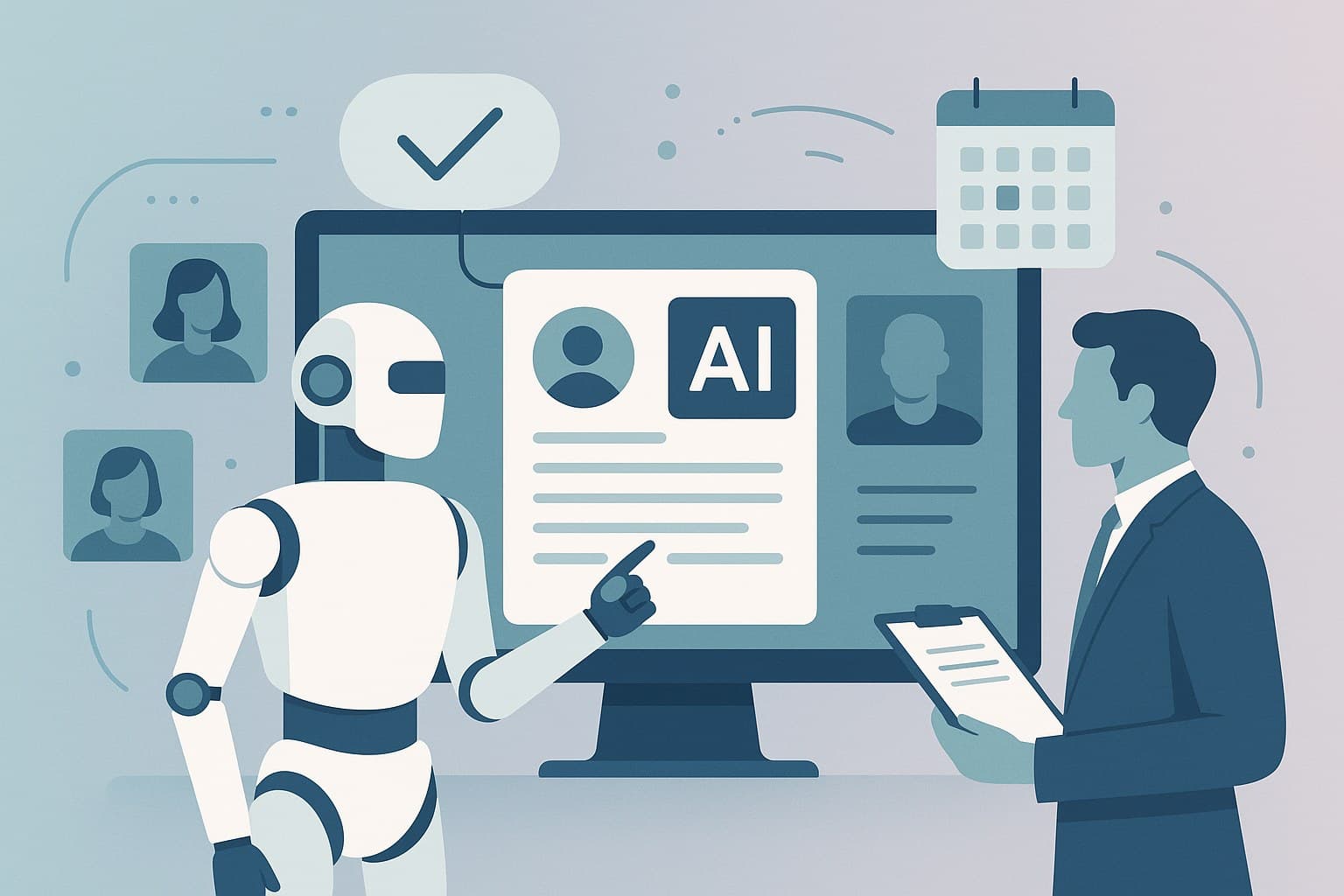
Reduce Time to Hire with AI: How Artificial Intelligence is Revolutionizing the Recruitment Process
Finding top talent during peak hiring season is a daunting task for any HR leader. The traditional recruitment process is time-consuming, with multiple rounds of interviews, resume screenings, and candidate assessments. With businesses constantly trying to stay ahead of the competition, the need for a faster and more efficient hiring process has become crucial. This is where AI (Artificial Intelligence) comes into play.
AI promises to streamline the recruitment process and reduce the time to hire significantly. But does it really live up to its promise? In this article, we will explore how AI is revolutionizing the recruitment process and how it can help businesses reduce their time to hire.
The Need for Speed in the Recruitment Process
Moreover, the longer the recruitment process, the higher the chances of losing top talent to competitors. A lengthy hiring process can also result in candidate drop-offs, where potential hires lose interest in the job and move on to other opportunities. This is where AI can make a significant impact.
How AI Reduces Time to Hire
AI-powered recruitment tools can automate various stages of the hiring process, reducing the time and effort required by HR teams. Let's look at some specific ways in which AI is helping businesses reduce their time to hire.
Resume Screening
Resume screening is a time-consuming process that involves sifting through hundreds of resumes to find the most relevant candidates. However, AI-powered tools can analyze resumes and match them with job descriptions, saving HR teams hours of manual work. This not only speeds up the screening process but also ensures that only the most qualified candidates are considered.
Candidate Assessment
Another time-consuming aspect of recruitment is candidate assessment. This involves conducting multiple rounds of interviews and assessments to determine a candidate's suitability for the role. With AI-powered tools, businesses can use pre-employment assessments to evaluate candidates' skills and abilities. This not only speeds up the evaluation process but also helps identify the most qualified candidates accurately.
Interview Scheduling
Coordinating interviews with multiple candidates and interviewers can be a logistical nightmare for HR teams. AI-powered tools can automate the scheduling process, taking into account the availability of all parties and finding the best time slots for interviews. This eliminates the back-and-forth communication and saves valuable time for HR teams.
Reducing Candidate Drop-Offs
As mentioned earlier, a lengthy recruitment process can result in candidate drop-offs, where potential hires lose interest in the job due to delays or lack of communication. AI can help minimize this by providing a seamless and efficient candidate experience. With automated communication and timely updates, candidates are less likely to lose interest and move on to other opportunities.
The Formula for Measuring Time to Hire
For businesses evaluating AI tools, it is essential to have a metric to measure the effectiveness of the technology. Time to hire is a crucial metric that can help businesses understand the impact of AI on their recruitment process. The formula for calculating time to hire is:
Time to Hire = Date of Acceptance - Date of Application
This metric provides a clear understanding of the time taken between a candidate submitting their application and accepting the job offer.
Conclusion: The Future of Recruitment with AI
AI is revolutionizing the recruitment process, making it faster, more efficient, and less prone to bias. By automating various stages of the hiring process, businesses can significantly reduce their time to hire and attract top talent quickly. However, it is essential to note that AI is not a replacement for human recruiters. It is a tool that can help HR teams make better and faster decisions.
As businesses continue to face challenges in finding top talent, AI will play a crucial role in revolutionizing the recruitment process. By leveraging this technology, businesses can not only reduce their time to hire but also gain a competitive advantage in the job market.
So, if you want to stay ahead of the competition and attract the best talent, it's time to embrace AI in your recruitment process.
Frequently Asked Questions
Key questions often raised by business leaders and HR teams:
How does AI reduce time to hire?
AI automates various stages of the hiring process, such as resume screening and interview scheduling, which significantly speeds up recruitment.
What are the benefits of using AI in recruitment?
AI helps streamline the hiring process, reduces candidate drop-offs, and allows HR teams to focus on more critical tasks.
Can AI replace human recruiters?
No, AI is a tool that assists human recruiters in making faster and better decisions, but it does not replace them.
What is the average time to hire?
The average time to hire in the United States is approximately 24.9 days, but AI can help reduce this significantly.
How can companies measure the effectiveness of AI in recruitment?
Companies can measure the effectiveness of AI by tracking the time to hire metric, which calculates the duration from application to acceptance.