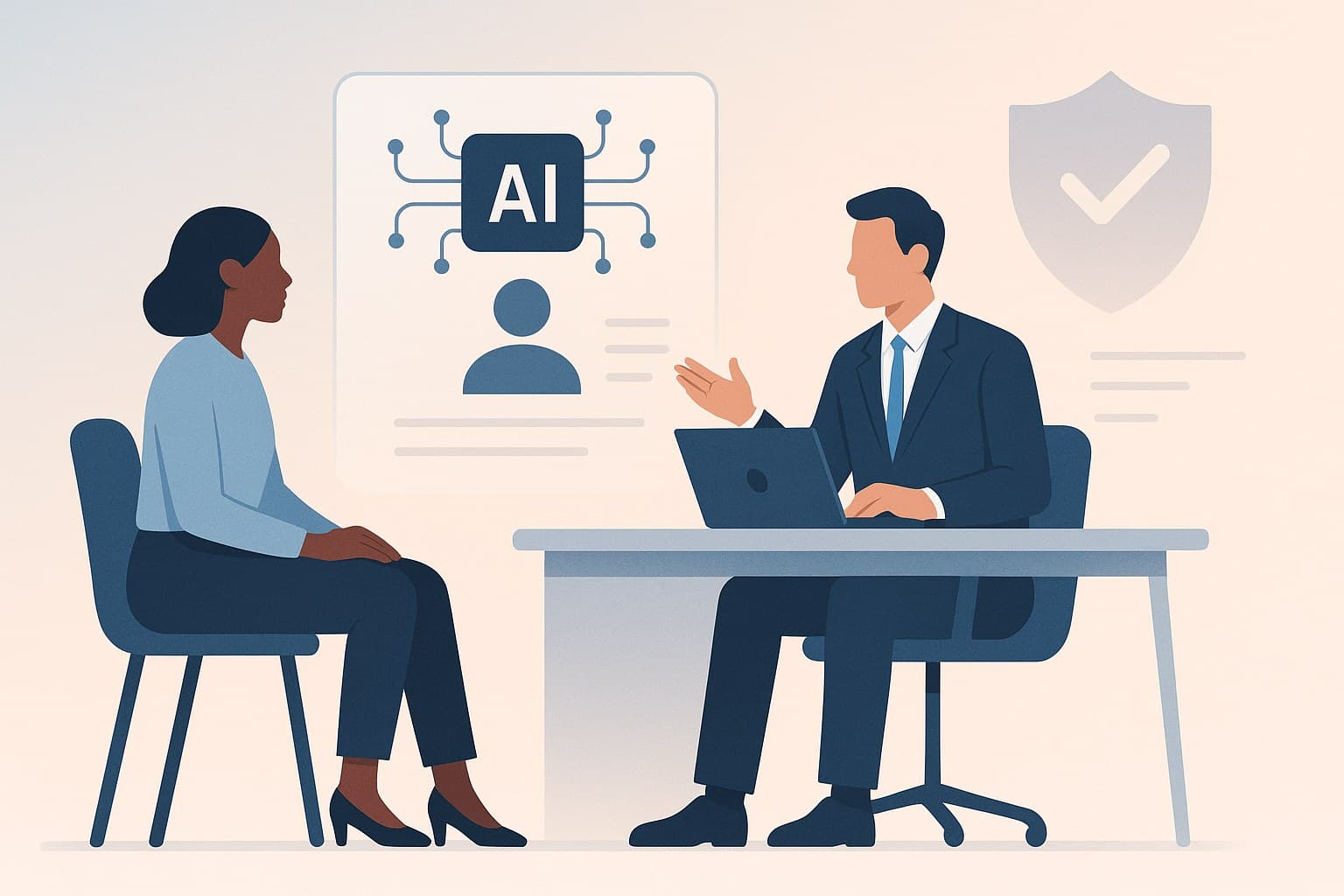
Mastering Screening Interview Skills for Job Success
Securing a job interview can feel like winning a small battle, but the real challenge begins with the screening interview. These initial conversations often determine whether you'll advance to the next stage of the hiring process. For job seekers, career changers, and recent graduates, honing your screening interview skills is crucial. Let's delve into the strategies and insights that can help you excel in these critical interviews and move closer to your career goals.
Why Screening Interviews Matter
Screening interviews are the first gateway in the hiring process. They're typically conducted by recruiters or HR professionals to evaluate whether a candidate meets the basic requirements for a position. This step is crucial because it sets the tone for future interactions and can determine if you progress to interviews with hiring managers or technical teams.
For job seekers, understanding the importance of screening interviews is vital. They serve as an opportunity to make a strong first impression. Recruiters use these interviews to assess your communication skills, professional demeanor, and alignment with the company's culture. A poor performance here can close doors, while a strong showing can propel you forward.
Moreover, screening interviews often focus on your resume and cover letter, ensuring that your documented qualifications match your spoken responses. This consistency is key in maintaining credibility. Being well-prepared for these interviews not only demonstrates your suitability for the role but also your enthusiasm and commitment to joining the company.
Common Challenges and Misconceptions
Many candidates underestimate the complexity of screening interviews, assuming they are mere formalities. This misconception can lead to inadequate preparation and lackluster performances. Understanding common challenges can help you avoid these pitfalls.
One significant challenge is the broad nature of questions asked during screening interviews. Unlike technical interviews, where questions are specific and focused, screening interviews may cover a wide range of topics. This can include your work experience, motivations for applying, and understanding of the company.
Another common issue is the lack of feedback. Unlike other stages of the hiring process, you might not receive detailed feedback after a screening interview. This can make it difficult to gauge your performance and identify areas for improvement. As a result, many candidates struggle to learn from their experiences and refine their approach.
It's also easy to become overly rehearsed. While preparation is essential, overly scripted responses can come across as insincere. Striking the right balance between preparation and spontaneity is crucial to engage authentically with the interviewer.
Core Concepts of Effective Screening Interviews
To navigate screening interviews successfully, it's important to understand the core concepts behind them. These interviews are designed to filter candidates who meet the basic qualifications and align with the organization's values.
Firstly, effective communication is paramount. The ability to articulate your thoughts clearly and concisely is essential. Practice answering common interview questions out loud to build confidence and fluency.
Secondly, research is your ally. Understanding the company, its culture, products, and market position allows you to tailor your responses. Demonstrating this knowledge can set you apart from other candidates who provide generic answers.
Lastly, the STAR method (Situation, Task, Action, Result) is a powerful tool for answering behavioral questions. This technique helps you structure your responses, providing context and highlighting your accomplishments effectively.
Preparing for a Screening Interview
Preparation is the foundation of success in screening interviews. Here's a structured approach to ensure you're ready to impress:
-
Research the Company: Understand the company's mission, values, and recent developments. This knowledge will inform your responses and questions.
-
Analyze the Job Description: Identify the key skills and experiences required. Be ready to discuss how your background aligns with these demands.
-
Practice Common Questions: Prepare answers for typical screening interview questions, such as "Tell me about yourself" and "Why are you interested in this position?" Use the STAR method to structure your responses.
-
Prepare Questions for the Interviewer: Asking insightful questions demonstrates your genuine interest in the role and company.
-
Review Your Resume and Cover Letter: Ensure you can discuss everything on your resume confidently. Be prepared to elaborate on your experiences and achievements.
-
Mock Interviews: Practice with a friend or career coach to simulate the interview environment. This can help reduce anxiety and improve your delivery.
Navigating the Interview: Tips and Techniques
Once you're in the interview, several techniques can enhance your performance:
-
Active Listening: Pay close attention to the interviewer's questions. This will help you provide relevant and thoughtful answers.
-
Body Language: Maintain good posture, eye contact, and use hand gestures to emphasize points. Positive body language can convey confidence and enthusiasm.
-
Clarification: If a question is unclear, don't hesitate to ask for clarification. This shows your willingness to understand and engage fully with the interview process.
-
Tailor Your Responses: Use your research to tailor your answers to the company's needs and culture. Highlight experiences that demonstrate your fit for the role.
-
Stay Positive: Even when discussing challenges or past job experiences, focus on what you learned and how you grew from those situations.
Avoiding Common Pitfalls
Understanding potential pitfalls can help you avoid them:
-
Over-Preparation: While preparation is crucial, avoid memorizing responses verbatim. This can make you seem robotic. Instead, focus on key points you want to convey.
-
Negativity: Avoid speaking negatively about past employers or experiences. This can reflect poorly on your professionalism and attitude.
-
Lack of Enthusiasm: Show genuine interest in the role and company. Enthusiasm can be a deciding factor in moving forward in the hiring process.
-
Ignoring Non-Verbal Cues: Be aware of the interviewer's body language. If they seem disengaged, it may be a cue to adjust your approach or ask questions to re-engage them.
Conclusion
Mastering screening interview skills is a crucial step towards securing your next job opportunity. By understanding the importance of these interviews, preparing thoroughly, and avoiding common mistakes, you can present yourself as a compelling candidate. Remember, every interview is a learning experience. Reflect on each one to continuously improve and refine your approach. As you prepare for your next screening interview, consider how you can make a memorable impression. What unique qualities can you bring to the table that align with the company's goals and culture? Your ability to answer these questions confidently can set you apart and pave the way for a successful career journey.
Frequently Asked Questions
Key questions often raised by business leaders and HR teams:
What is the purpose of a screening interview?
The purpose of a screening interview is to evaluate whether a candidate meets the basic requirements for a position and to make a strong first impression.
How can I prepare for a screening interview?
You can prepare by researching the company, analyzing the job description, practicing common interview questions, and conducting mock interviews.
What is the STAR method?
The STAR method stands for Situation, Task, Action, and Result. It is a technique used to structure responses to behavioral interview questions.
What should I avoid during a screening interview?
Avoid being overly rehearsed, failing to listen actively, and providing vague or generic answers.
How important is body language in a screening interview?
Body language is very important as it conveys confidence and enthusiasm. Good posture and eye contact can enhance your overall impression.