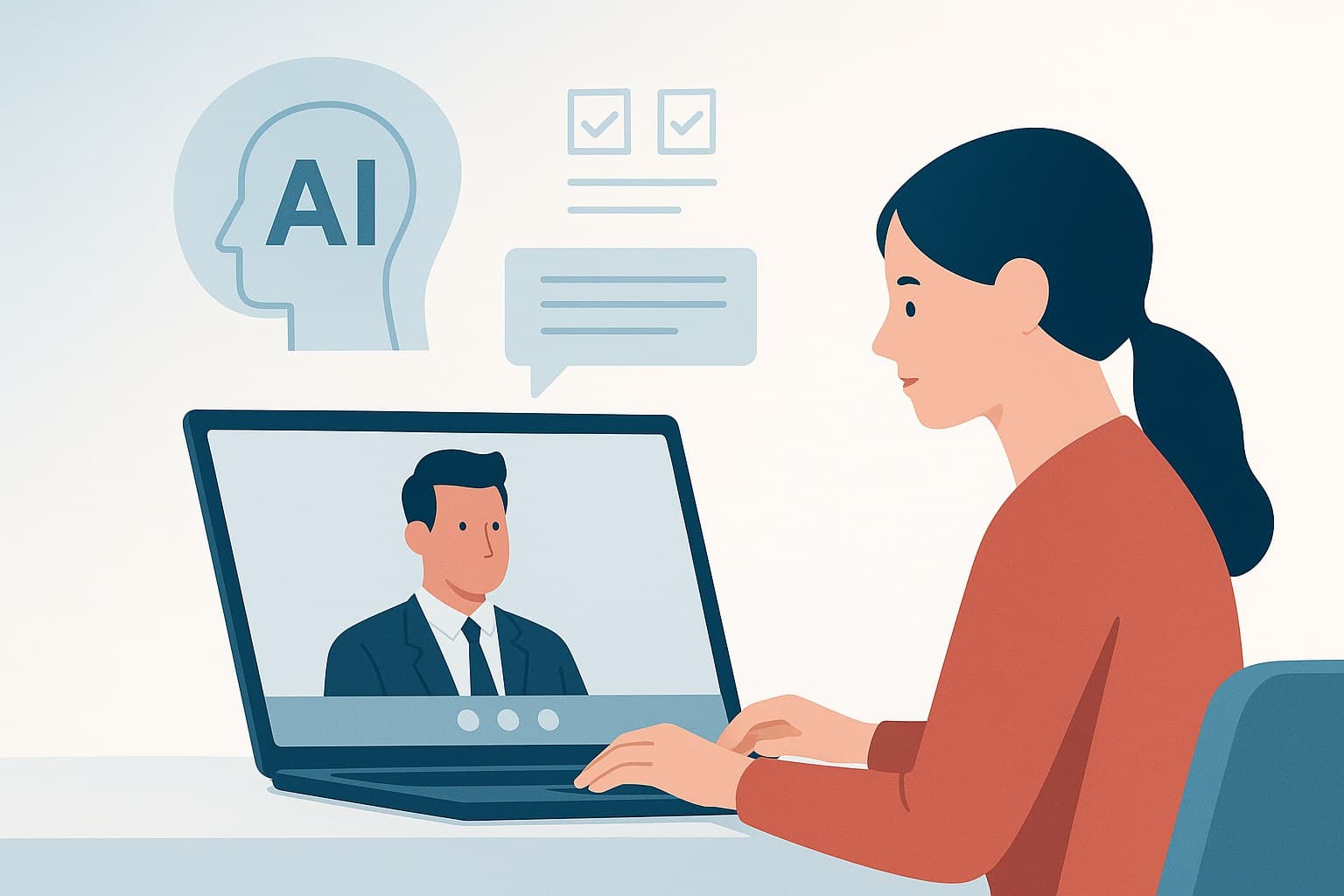
Mastering Stress Management in Job Interviews
Job interviews can be daunting. For many, the pressure to perform well can lead to overwhelming stress, impacting their ability to showcase their true potential. Understanding stress management in job interviews is crucial for job seekers, career changers, and recent graduates. By learning specific strategies, you can transform anxiety into confidence and improve your interview performance.
Why Stress Management in Interviews Matters
Interview stress is not just a minor inconvenience; it can be a significant barrier to landing the job you want. When stress is unchecked, it can cause you to forget key points, miscommunicate your skills, or come across as less confident. This section explains why mastering stress management in job interviews is vital for your career advancement.
Interviews are pivotal moments that can shape your professional journey. The ability to manage stress effectively can make the difference between standing out positively or blending into the crowd. Employers often assess not only your qualifications but also your ability to handle pressure. Demonstrating composure under stress can indicate how you might perform in challenging workplace situations.
Common Stress Triggers in Job Interviews
Identifying common stress triggers can help you prepare mentally for the interview process. Stress triggers vary from person to person, but certain factors are universally anxiety-inducing. Recognizing these can help you develop strategies to alleviate them.
The fear of the unknown is a major stressor. Not knowing what questions will be asked or who will be interviewing you can create anxiety. Additionally, the pressure to impress and the high stakes involved can amplify stress. Fear of failure or rejection further compounds these feelings.
Another common trigger is the setting itself. Unfamiliar environments, such as a corporate office or a virtual interview platform, can be intimidating. The lack of control over these elements often exacerbates stress levels.
To mitigate these triggers, preparation is key. Research the company, practice common interview questions, and familiarize yourself with the interview format. This preparation can reduce uncertainty and boost your confidence, helping to manage stress levels effectively.
Effective Stress Management Techniques
Once you've identified your stress triggers, you can employ specific techniques to manage them. These strategies focus on both mental and physical preparation, ensuring you remain calm and composed throughout the interview process.
Start with breathing exercises. Deep breathing can help reduce anxiety by lowering your heart rate and calming your nerves. Practice inhaling deeply through your nose, holding your breath for a few seconds, and exhaling slowly. Doing this several times before your interview can significantly reduce stress levels.
Visualization is another powerful technique. Visualize yourself succeeding in the interview—walking in confidently, answering questions with ease, and leaving a positive impression. This positive imagery can help rewire your brain to focus on success rather than failure.
Physical preparation is equally important. Ensure you get a good night's sleep before the interview and have a healthy meal beforehand. Avoid caffeine or sugar, as these can increase anxiety levels. Dressing comfortably yet professionally can also boost your confidence.
Practicing Mock Interviews
Rehearsing through mock interviews is a practical step in managing stress. These practice sessions simulate the interview environment, allowing you to experience and manage stress in a controlled setting.
Conduct mock interviews with a friend, mentor, or career coach. Focus on practicing responses to common interview questions, as well as handling unexpected questions. This practice helps you become more comfortable with the interview format and improves your ability to think on your feet.
Feedback is crucial during these sessions. Constructive criticism can highlight areas for improvement and reinforce strengths. Use this feedback to refine your responses and build confidence. Over time, mock interviews can transform stress into familiarity and preparedness.
Handling Stress In-Interview
Despite preparation, stress can still manifest during the interview. Learning how to handle stress in the moment is essential for maintaining composure and confidence.
One effective technique is to pause before answering questions. Taking a moment to collect your thoughts can prevent rushed responses and help you remain calm. This pause also gives you time to ensure your answer is clear and concise.
Maintaining eye contact and positive body language can also help manage stress. These non-verbal cues project confidence and can positively influence the interviewer's perception of you. Additionally, if you find yourself overwhelmed, subtly adjust your posture—sit up straight and take a deep breath to regain composure.
If you encounter a question that stumps you, it's okay to ask for clarification or a moment to think. This shows that you are thoughtful and considerate, rather than impulsive. Remember, interviewers understand that the process can be nerve-wracking and appreciate candidates who manage stress gracefully.
Common Pitfalls and How to Avoid Them
Even with preparation, there are common pitfalls in stress management that candidates should be aware of. Recognizing these can help you avoid them and improve your interview performance.
One common mistake is over-rehearsing. While practice is important, sounding rehearsed can make your responses seem insincere. Aim for a balance where your answers are well-thought-out but still conversational.
Another pitfall is neglecting to address physical symptoms of stress. Sweaty palms, rapid breathing, and a shaky voice can all betray your nerves. Practice physical relaxation techniques, such as stretching and deep breathing, to manage these symptoms.
Avoid negative self-talk. Phrases like "I'm going to mess this up" or "I'm not good enough" only increase anxiety. Replace these with positive affirmations, such as "I am prepared" and "I can do this," to boost your confidence.
Finally, don't ignore the logistics. Arriving late or unprepared due to poor time management can heighten stress levels. Plan your route, check your technology for virtual interviews, and ensure you have all necessary materials ready the day before.
Conclusion
Mastering stress management in job interviews is a crucial skill that can significantly impact your career trajectory. By understanding common stress triggers, employing effective techniques, and practicing regularly, you can transform anxiety into confidence. Remember, preparation is your best ally. As you step into your next interview, equipped with these strategies, you're not just managing stress—you're mastering it. What steps will you take today to prepare for your next interview challenge?
Frequently Asked Questions
Key questions often raised by business leaders and HR teams:
Why is stress management important in job interviews?
Stress management is crucial because it helps you perform better by reducing anxiety, improving focus, and allowing you to showcase your true potential.
What are common stress triggers during interviews?
Common stress triggers include fear of the unknown, pressure to impress, and unfamiliar environments that can heighten anxiety.
How can I prepare for interview stress?
Preparation techniques include practicing mock interviews, researching the company, and employing relaxation techniques like deep breathing and visualization.
What should I do if I feel stressed during the interview?
If you feel stressed, take a moment to pause before answering, maintain eye contact, and use positive body language to project confidence.
How can mock interviews help with stress management?
Mock interviews simulate the interview environment, allowing you to practice your responses and manage stress in a controlled setting, boosting your confidence.