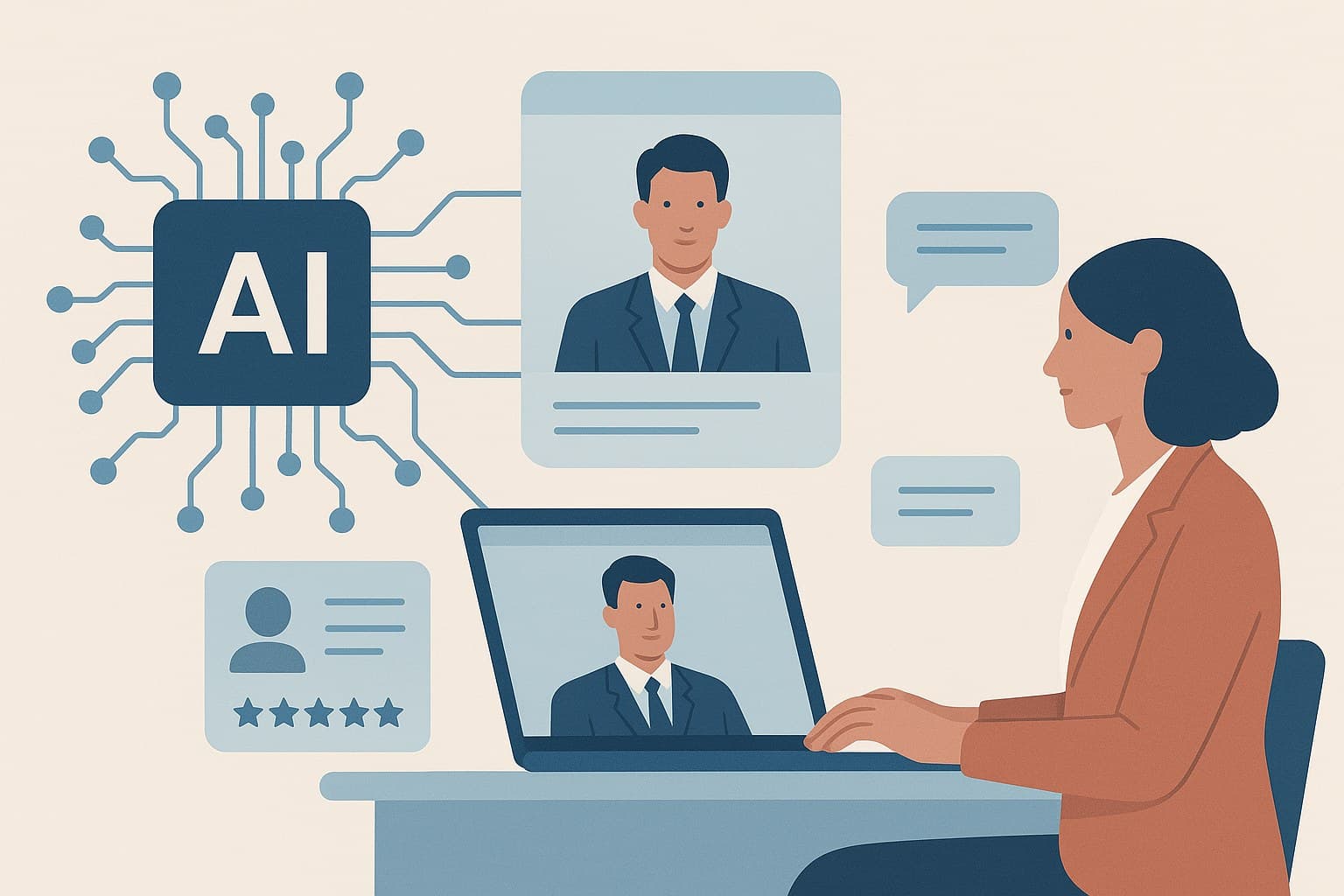
Video Job Interview Expectations: A Comprehensive Guide
In today's digital age, video job interviews have become the norm, especially for remote positions and initial screening processes. As a job seeker or career changer, understanding video job interview expectations can significantly boost your chances of success. This guide will walk you through common expectations, potential pitfalls, and practical tips to help you excel in your next video job interview.
Understanding the Importance of Video Job Interviews
Video job interviews have gained prominence due to their convenience and efficiency for both employers and candidates. They eliminate geographical barriers, reduce travel costs, and streamline the hiring process. For job seekers, this means adapting to a new format where first impressions are still critical, but the dynamics differ from in-person interviews.
Common Challenges and Misconceptions
One of the biggest misconceptions about video job interviews is that they are less formal than in-person interviews. This misunderstanding can lead to candidates under-dressing or not preparing adequately. In reality, video interviews require the same level of professionalism. The casual setting of your home can sometimes lead to a relaxed approach, but it's essential to maintain a professional demeanor throughout the interview.
Technical issues are another common challenge. Poor internet connection, inadequate lighting, and unfamiliarity with the video conferencing platform can disrupt the flow of an interview. Candidates often underestimate the importance of testing their equipment beforehand. Additionally, many job seekers face challenges with non-verbal communication, such as maintaining eye contact with the camera instead of the screen, which can affect the perceived engagement level.
Key Concepts: What Employers Expect
Understanding what employers are looking for in a video interview can guide your preparation. Employers expect candidates to demonstrate the same qualities as they would in an in-person interview: professionalism, communication skills, and cultural fit. However, there are additional expectations specific to video interviews.
Firstly, employers expect candidates to be technologically savvy. This includes being comfortable with video conferencing tools, troubleshooting minor tech issues, and presenting oneself well on camera. Secondly, employers look for concise and clear communication. Given the potential for technical glitches, clear articulation of your thoughts becomes even more crucial. Lastly, employers expect candidates to demonstrate adaptability and resilience, especially if technical issues arise during the interview.
Practical Tips for Successful Video Interviews
To excel in a video job interview, preparation is key. Here are some actionable steps to ensure you make a great impression:
-
Test Your Technology: Ensure your internet connection is stable, and familiarize yourself with the video conferencing software. Conduct a test call with a friend to check audio and video quality.
-
Create a Professional Setting: Choose a quiet, well-lit area for your interview. Ensure that your background is neat and free of distractions. Consider using a virtual background if your surroundings are not suitable.
-
Dress Appropriately: Dress as you would for an in-person interview. This not only shows professionalism but also helps you get into the right mindset.
-
Practice Non-Verbal Communication: Look at the camera while speaking to simulate eye contact. Use gestures naturally but avoid excessive movement that might be distracting.
-
Prepare Your Answers: Research common interview questions and practice your answers. Have a few examples ready that highlight your skills and experiences relevant to the job.
By following these tips, you can navigate the video interview process with confidence and poise.
Anonymous Scenarios and Common Pitfalls
Consider the scenario of a recent graduate interviewing for their first job. They assumed that because the interview was virtual, they could wear casual attire. However, this misstep gave the impression of a lack of seriousness and professionalism. Another common pitfall is not preparing a quiet space for the interview, resulting in background noise and interruptions.
A hiring manager at a mid-size tech firm shared an instance where a candidate had technical difficulties but remained calm and composed. This adaptability impressed the panel more than the candidate's technical expertise. Such scenarios highlight the importance of preparation and maintaining composure under unexpected circumstances.
Conclusion
Video job interviews are here to stay, and understanding the expectations can give you a competitive edge. By preparing thoroughly and adopting a professional approach, you can effectively showcase your skills and personality through the screen. Remember, the key to success lies in preparation, adaptability, and clear communication. As you ready yourself for your next video job interview, consider how you can make a lasting impression that transcends the digital medium. What steps will you take today to ensure your next video interview is a success?
Frequently Asked Questions
Key questions often raised by business leaders and HR teams:
What should I wear for a video job interview?
Dress professionally, just as you would for an in-person interview. This helps convey seriousness and sets the right mindset.
How can I prepare for technical issues during the interview?
Test your technology beforehand, ensure a stable internet connection, and familiarize yourself with the video conferencing platform.
What are employers looking for in a video interview?
Employers expect professionalism, clear communication, and adaptability. Being comfortable with technology is also crucial.
How can I improve my non-verbal communication in a video interview?
Maintain eye contact by looking at the camera while speaking, and use natural gestures to enhance your communication.
What common mistakes should I avoid in a video interview?
Avoid casual attire, distractions in your background, and underestimating the importance of preparation.