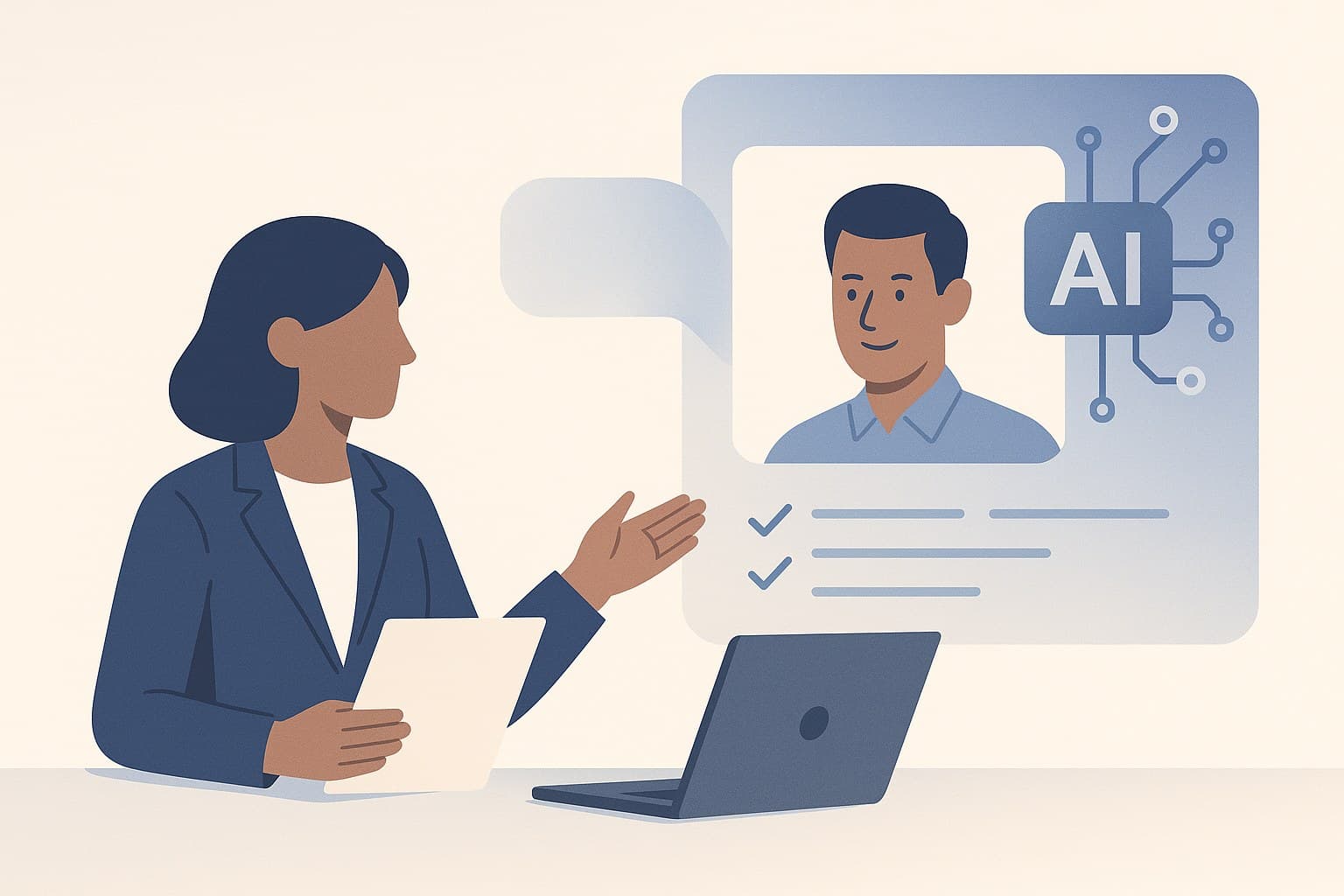
Addressing Employment Gaps in Interviews: Strategies for Job Seekers
Employment gaps can be a daunting topic for anyone preparing for an interview. Whether you're a recent graduate, a career changer, or have been out of the workforce due to personal reasons, addressing these gaps effectively is crucial. Ignoring them is not an option, as they can significantly impact a hiring manager's perception of your candidacy. This guide will provide you with practical strategies to discuss employment gaps confidently and turn them into opportunities to showcase your growth and readiness.
Understanding Why Employment Gaps Matter
Employment gaps can raise red flags for employers, creating uncertainty about a candidate's reliability or skills. Hiring managers often worry about the reasons behind the gaps, fearing issues like prolonged unemployment due to poor performance, instability, or lack of commitment. Therefore, understanding why these gaps matter is the first step in addressing them.
A gap might suggest to an employer that you may not have kept up with industry trends or that your skills might be outdated. This can be particularly concerning in fast-paced sectors like technology or marketing, where continuous learning is essential. By acknowledging these concerns, you can prepare to address them head-on in your interview.
Common Misconceptions About Employment Gaps
Several misconceptions surround employment gaps that can affect both candidates and employers. One common misconception is that any gap is inherently negative. However, not all gaps are created equal, and they don't necessarily reflect poorly on a candidate. For instance, some gaps may be due to family responsibilities, health issues, or even voluntary sabbaticals for personal development.
Candidates often fear that gaps will automatically disqualify them from contention. Yet, many employers are more understanding than expected, especially when gaps are explained transparently and tied to personal development or skill acquisition. By dispelling these misconceptions, job seekers can alleviate some of the stress associated with addressing employment gaps and focus on preparing a compelling narrative.
Crafting Your Narrative Around Employment Gaps
Creating a narrative around your employment gaps is crucial. This narrative should not only explain the gap but also highlight what you learned during that period. The goal is to provide context and tie the gap into your overall career story.
When crafting your narrative, focus on the following elements:
-
Honesty and Transparency: Be upfront about the reason for your gap. Employers appreciate honesty and are more likely to be forgiving if you provide a straightforward explanation.
-
What You Learned: Discuss any skills you developed during the gap. This could be through formal education, online courses, volunteering, or personal projects. Highlighting continuous learning and growth can turn a potential negative into a positive.
-
Relevance to the Job: Connect the skills and experiences from your gap to the job you're applying for. Show how the gap has made you a better candidate for the role.
For instance, a job seeker who took time off to care for a family member might emphasize how this experience enhanced their time management and stress management skills, valuable traits for any role.
Strategies for Discussing Employment Gaps in Interviews
Once you have your narrative, the next step is to prepare for the interview itself. Here are some strategies for discussing employment gaps effectively:
-
Practice Your Explanation: Rehearse your narrative until you can deliver it smoothly and confidently. This will help you manage any anxiety and ensure you present your gap positively.
-
Keep It Brief: While it’s important to explain the gap, avoid dwelling on it. Provide a concise explanation and then steer the conversation back to your qualifications and enthusiasm for the role.
-
Focus on the Present: Shift the focus to what you’re currently doing to improve your skills or how you’ve been preparing for this next career step. This demonstrates initiative and readiness.
-
Use Positive Language: Frame your gap in a positive light. Instead of saying "I was unemployed," you might say "I took this time to focus on personal development and enhance my skills."
A hiring manager at a mid-size tech firm might appreciate a candidate who, during a gap, completed a coding bootcamp to stay current with new technologies.
Navigating Common Pitfalls
While preparing to address employment gaps, it's essential to be aware of common pitfalls. One major pitfall is over-explaining. Candidates might feel the need to justify every detail of their gap, which can make them appear defensive. Instead, focus on delivering a clear, concise explanation and then move on.
Another pitfall is failing to align your narrative with the employer's needs. Always tailor your explanation to the job description and company culture. Research the company beforehand to understand what they value in employees, and weave those elements into your narrative.
Finally, avoid being overly apologetic about your gap. Confidence is key. By owning your story and the choices you've made, you show maturity and self-awareness, traits that are attractive to employers.
Examples of Successful Employment Gap Explanations
To illustrate how to handle employment gaps, consider these anonymous scenarios:
- A software developer took a year off to travel and learn languages, which they now leverage in roles requiring cross-cultural communication.
- A marketing professional left the workforce to pursue a master's degree, returning with enhanced strategic planning skills that align with the company's growth objectives.
- An entry-level candidate took time to volunteer in community services, developing leadership and project management skills applicable to their desired field.
In each scenario, the candidate not only explains the gap but also demonstrates how it enriched their capabilities, aligning with the employer's needs.
Conclusion
Addressing employment gaps in interviews is a crucial skill for job seekers. By understanding the importance of these gaps and preparing a compelling narrative, candidates can alleviate employer concerns and highlight their suitability for the role. Remember to keep explanations concise, focus on personal and professional growth, and tailor your narrative to the job. As you prepare for your next interview, consider how you can turn any employment gap into a testament of your resilience and adaptability. What story will you tell to transform your gap into an asset?
Frequently Asked Questions
Key questions often raised by business leaders and HR teams:
Why are employment gaps important to address in interviews?
Employment gaps can raise concerns for hiring managers about a candidate's reliability and skills. Addressing them helps clarify your career narrative.
How should I explain my employment gap?
Be honest about the reason for your gap, highlight what you learned during that time, and connect those experiences to the job you're applying for.
What are some common misconceptions about employment gaps?
Many believe that all employment gaps are negative, but gaps can arise from personal development, family responsibilities, or health issues.
How can I prepare to discuss my employment gap in an interview?
Practice your explanation, keep it brief, focus on your current skills, and use positive language to frame your gap.
What pitfalls should I avoid when discussing employment gaps?
Avoid over-explaining, being overly apologetic, and failing to tailor your narrative to the employer's needs.