Mastering Behavioral Interview Strategies by Industry
Behavioral interviews have become a standard part of the hiring process, requiring candidates to share past experiences that demonstrate their skills and competencies. The strategies to excel in these interviews can vary significantly by industry. Understanding these nuances can be the key to securing a job offer. This article will explore tailored behavioral interview strategies by industry, providing job seekers with the insights needed to adapt their approaches for success.
Understanding the Importance of Industry-Specific Strategies
Behavioral interviews focus on assessing how candidates have handled situations in the past to predict their future performance. While the core of behavioral interviews remains consistent, the expectations and required competencies can differ greatly across industries. For example, a candidate interviewing for a tech position may need to highlight problem-solving and coding challenges, whereas a healthcare professional might focus on patient interaction and ethical decision-making.
Industry-specific strategies are crucial because they allow candidates to align their experiences with the key competencies valued in their target field. This alignment not only demonstrates the candidate's understanding of the industry but also shows their potential to contribute effectively to the organization. Without tailoring your responses to the industry, you risk appearing generic and less appealing to interviewers who are keen on finding the perfect fit for their team.
Common Behavioral Interview Questions and Pitfalls
Despite the differences in industry expectations, some common behavioral interview questions often arise, such as "Tell me about a time you faced a challenge at work" or "Describe a situation where you had to work with a difficult team member." These questions are designed to gauge a candidate's problem-solving abilities, adaptability, and interpersonal skills.
A common pitfall candidates encounter is providing vague or overly general responses. Without specific examples, your answers may seem insubstantial and fail to leave a lasting impression. Another mistake is failing to structure responses using the STAR method (Situation, Task, Action, Result), which helps in clearly conveying experiences and outcomes.
To avoid these pitfalls, it’s essential to prepare detailed stories that highlight relevant skills, ensuring they are adapted to the specific competencies valued in the industry you are targeting.
Crafting Industry-Specific Responses
To create compelling industry-specific responses, start by researching the common challenges and key competencies in your field. For instance, if you’re applying for a role in finance, you might focus on risk management, analytical skills, and ethical decision-making. In contrast, a marketing position might require showcasing creativity, campaign management, and adaptability to changing trends.
Once you identify these competencies, reflect on your past experiences that align with these skills. Use the STAR method to structure your responses. For example, a candidate applying for a project management role might describe a situation where they led a cross-functional team to complete a project under a tight deadline, highlighting their leadership and organizational skills.
Remember, the goal is to demonstrate not just what you have done, but how it is relevant to the challenges and needs of the industry you’re entering.
Role-Playing and Mock Interviews
Practicing your responses through role-playing and mock interviews is invaluable for refining your delivery. This practice helps in gaining confidence and receiving feedback on areas for improvement. You can practice with a friend, mentor, or through online platforms that simulate interview settings.
During these mock sessions, focus on your non-verbal cues, such as maintaining eye contact and using a confident tone. Pay attention to the feedback you receive, especially regarding the clarity and relevance of your examples.
Mock interviews also provide an opportunity to test your ability to think on your feet, as you might encounter unexpected questions. This preparation will help you remain composed and articulate, even when faced with challenging scenarios during the actual interview.
Adapting to Virtual Interviews
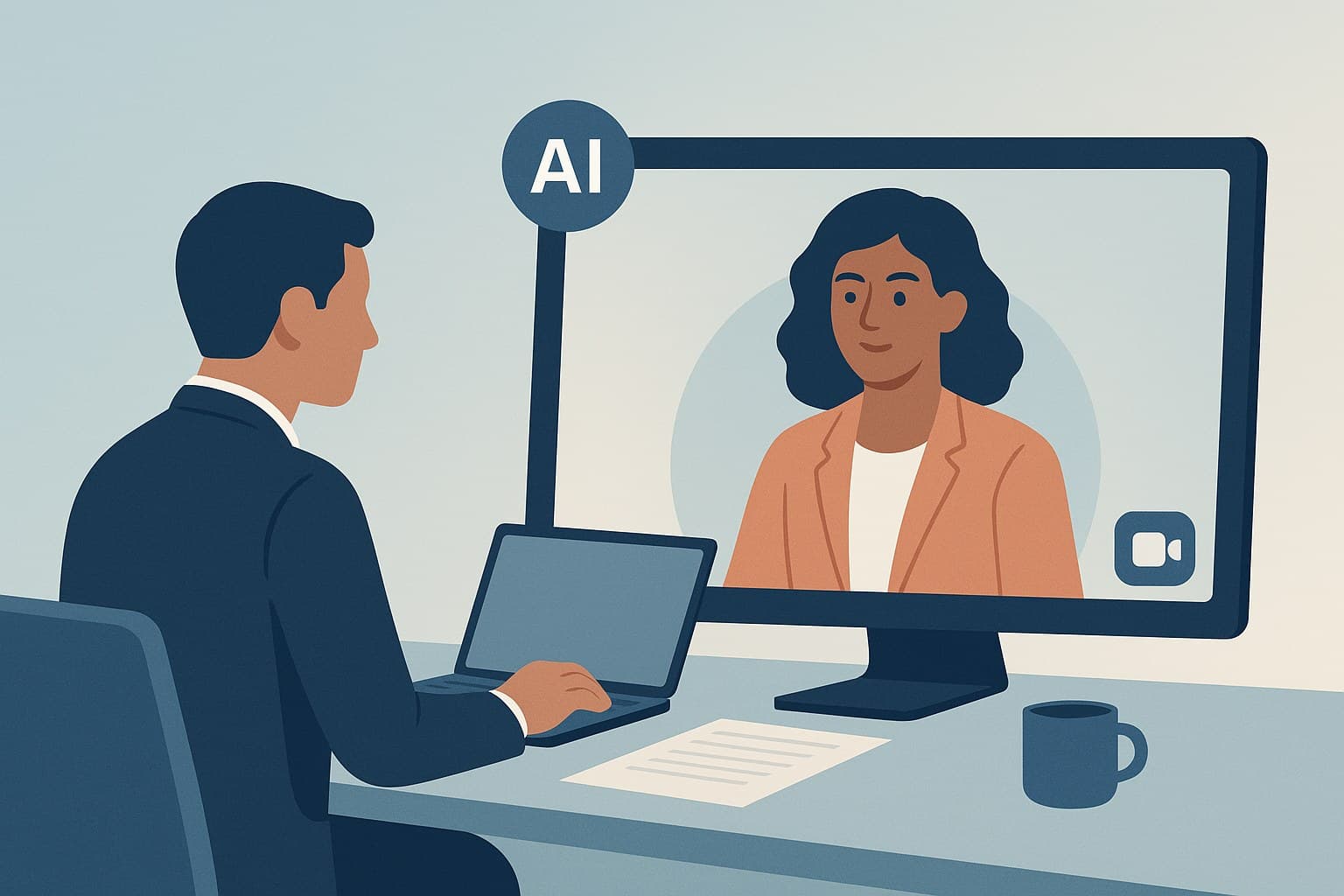
The rise of virtual interviews presents a new set of challenges and opportunities. While the core content of your responses remains the same, the medium requires additional considerations. Ensure your technology setup is reliable, with a stable internet connection and a quiet, well-lit environment.
In virtual settings, non-verbal communication becomes even more critical. Practice maintaining eye contact by looking at the camera instead of the screen, and ensure your body language conveys confidence and engagement.
Additionally, virtual interviews often feel less personal, so it’s important to convey enthusiasm and interest through your voice and expressions. Preparing thoroughly for the virtual format will help you present yourself effectively, regardless of the medium.
The Importance of Feedback and Continuous Improvement
Continuous improvement through feedback is essential for mastering behavioral interview strategies. After each interview, reflect on what went well and areas where you can improve. Seeking feedback from interviewers, when possible, can provide valuable insights.
Use this feedback to refine your stories and delivery. Keep a journal of your interview experiences, noting the questions asked and your responses. Over time, this record will help you identify patterns and areas for development.
Remember, behavioral interviews are as much about preparation as they are about performance. The more you practice and incorporate feedback, the more adept you will become at tailoring your responses to the industry and role you are pursuing.
Conclusion
Mastering behavioral interview strategies by industry requires a thoughtful approach to understanding the key competencies valued in your target field. By preparing industry-specific responses, practicing through mock interviews, and adapting to various interview formats, you can significantly enhance your chances of success. Continuous improvement through feedback ensures you remain competitive and well-prepared for future opportunities. As you prepare for your next interview, consider how you can tailor your experiences to meet the unique demands of the industry you are entering. Are you ready to showcase your potential and secure your desired role?
Frequently Asked Questions
Key questions often raised by business leaders and HR teams:
What are behavioral interviews?
Behavioral interviews are a type of interview that focuses on how candidates have handled situations in the past to predict their future performance.
How can I prepare for a behavioral interview?
Prepare by researching common challenges in your industry and structuring your responses using the STAR method to highlight relevant experiences.
What is the STAR method?
The STAR method stands for Situation, Task, Action, and Result, and it helps you clearly convey your experiences during interviews.
What should I focus on during a virtual interview?
In a virtual interview, focus on your non-verbal communication, maintain eye contact with the camera, and ensure your environment is quiet and well-lit.
How can I improve after an interview?
Reflect on your performance, seek feedback from interviewers, and keep a journal of your experiences to identify areas for improvement.