title: "Building Confidence for Interviews: A Comprehensive Guide" meta_description: "Learn how to build confidence for interviews with actionable strategies. Discover techniques to overcome anxiety, improve communication, and make a lasting impression." keyword: "building confidence interviews" date: "2026-07-26"
Building Confidence for Interviews: A Comprehensive Guide
Facing an interview without confidence is like going into battle unarmed. The stakes are high, and the pressure can be overwhelming. Building confidence for interviews is crucial for success, especially for job seekers, career changers, and recent graduates. This guide will provide you with effective strategies to help you walk into your next interview feeling prepared and self-assured.
Why Confidence is Crucial in Interviews
Confidence in interviews is not just about feeling good; it significantly impacts how interviewers perceive you. A confident applicant appears more competent, reliable, and capable of handling the job. Without confidence, even the most qualified candidates may struggle to communicate their value effectively. Interviews are as much about showcasing your personality as they are about demonstrating your skills and experience.
Employers are looking for candidates who can handle pressure and present themselves well. A lack of confidence can suggest that you might falter in high-stakes situations. Therefore, understanding the importance of confidence and actively working to build it can be the difference between receiving an offer and facing rejection.
Common Challenges and Misunderstandings
Many candidates misunderstand what it means to be confident in an interview setting. Confidence does not mean being arrogant or pretending to know everything. Instead, it involves a balanced self-assurance, humility, and openness to learning. One common challenge is internalizing negative self-talk, which can undermine your confidence.
Additionally, some believe that confidence is an innate trait rather than a skill that can be developed. This misconception can lead to resignation and a lack of effort to improve. Recognizing these challenges and misunderstandings is the first step towards building genuine confidence.
The Psychology Behind Confidence
Confidence is deeply tied to our mindset and self-perception. Cognitive Behavioral Therapy (CBT) principles suggest that our thoughts influence our feelings and behaviors. In the context of interviews, negative thoughts about our abilities can lead to anxiety and poor performance.
Building confidence involves reshaping these thoughts. Techniques such as positive affirmations and visualization can help create a mental environment conducive to confidence. Practicing mindfulness can also reduce anxiety, helping you stay calm and focused during the interview.
Practical Steps to Build Interview Confidence
To build confidence, it's essential to prepare thoroughly. Begin by researching the company and understanding its culture, values, and goals. This knowledge will allow you to tailor your responses and demonstrate genuine interest. Practice answering common interview questions and refine your responses to highlight your strengths and accomplishments.
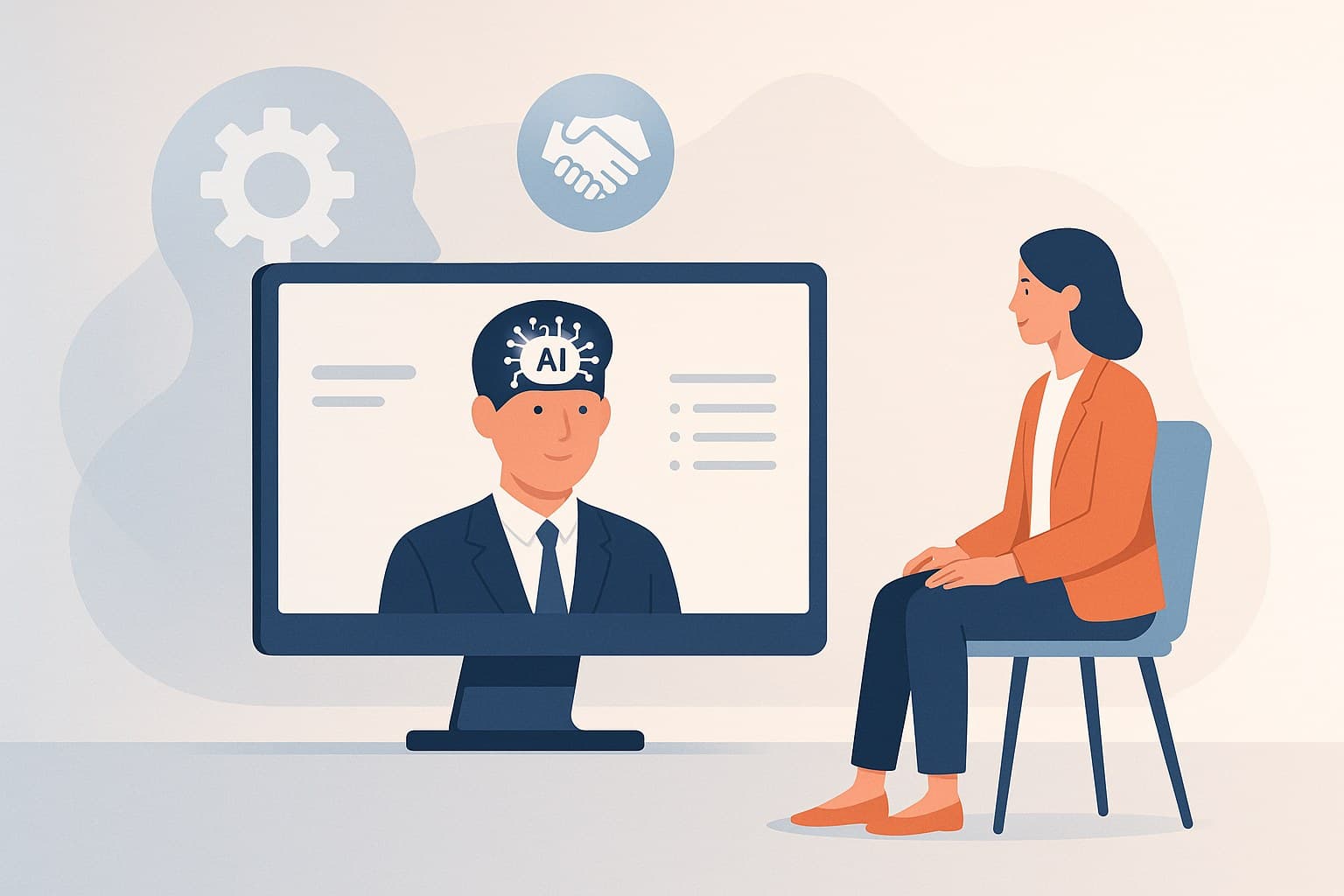
Mock interviews are invaluable for building confidence. They simulate the interview environment, helping you practice maintaining composure under pressure. Record these sessions if possible to review your performance and identify areas for improvement.
Additionally, focus on non-verbal communication. Your body language, eye contact, and posture can all convey confidence. Practice maintaining an open, upright posture and making steady eye contact to enhance your presence.
Real-World Scenarios and Common Pitfalls
Consider the scenario of a hiring manager at a mid-size tech firm. This manager interviews a candidate who appears to know their technical skills but lacks confidence in their delivery. The manager notices the candidate's slouched posture and lack of eye contact, which leads to doubts about their ability to lead a team.
A common pitfall is over-preparing to the point of sounding rehearsed. While preparation is crucial, it's important to remain adaptable and natural in your responses. Another trap is focusing too much on weaknesses during the interview. Instead, frame any shortcomings as opportunities for growth and learning.
Conclusion
Building confidence for interviews is a continuous process that involves preparation, self-awareness, and practice. By understanding the importance of confidence and addressing common challenges, you can improve your interview performance significantly. Begin applying these strategies today, and remember, the key to confidence is preparation and practice. As you prepare for your next interview, ask yourself: What steps will you take to ensure you present your best self?
Frequently Asked Questions
Key questions often raised by business leaders and HR teams:
Why is confidence important in interviews?
Confidence helps you present yourself as competent and reliable, positively influencing how interviewers perceive you.
Can confidence be developed?
Yes, confidence is a skill that can be developed through preparation, practice, and positive self-talk.
What are some practical steps to build interview confidence?
Research the company, practice common interview questions, and engage in mock interviews to enhance your confidence.
How does body language affect interview confidence?
Positive body language, such as good posture and eye contact, can convey confidence and make a strong impression.
What should I avoid when trying to build confidence for interviews?
Avoid over-preparing to the point of sounding rehearsed and focusing too much on your weaknesses.