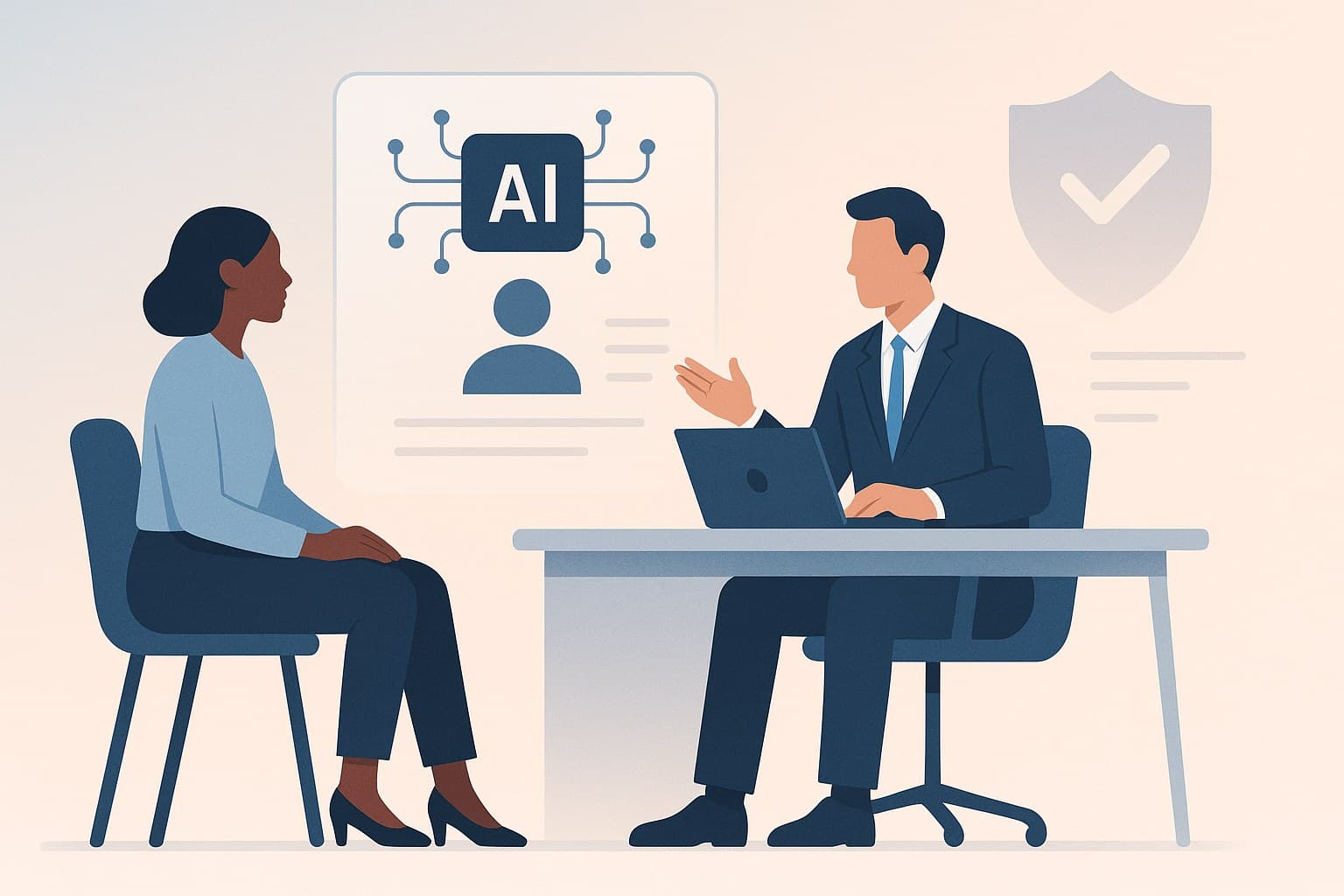
Essential Campus Recruitment Tips for Aspiring Graduates
Navigating campus recruitment can be daunting for recent graduates eager to secure their dream job. "Campus recruitment tips" become vital as students transition from academia to the professional world. In a competitive job market, understanding how to effectively prepare for interviews and screenings can make all the difference. This article offers practical insights and strategies to help recent graduates stand out in the recruitment process.
Understanding the Importance of Campus Recruitment
Campus recruitment is not just about landing a job—it's the first step into your professional career. For many students, this process is their initial exposure to the corporate world, where they can apply their academic knowledge in real-world scenarios. It's crucial to recognize that recruiters look beyond grades; they seek well-rounded candidates who can thrive in a dynamic work environment.
A hiring manager at a mid-size tech firm once noted, "We look for candidates who show initiative and adaptability, qualities that are often more valuable than academic achievements alone." This highlights the need for students to demonstrate skills that align with the company's values and goals. Campus recruitment is therefore a pivotal opportunity for students to showcase their potential and set the stage for their career growth.
Common Challenges and Misconceptions in Campus Recruitment
One of the common misconceptions among students is that a high GPA guarantees job security. While academic performance is important, it is not the sole factor employers consider. Recruiters also value soft skills such as communication, teamwork, and problem-solving abilities. Another challenge is the misconception that the recruitment process is uniform across all industries. In reality, each sector has its unique expectations and selection criteria.
Furthermore, many students struggle with the pressure of competing against their peers. This often leads to anxiety and a lack of confidence, which can negatively impact their interview performance. It's essential to understand that every candidate has unique strengths and weaknesses, and focusing on personal growth rather than comparison can alleviate some of the stress.
Preparing for the Recruitment Process
Preparation is key to succeeding in campus recruitment. Start by researching the companies you are interested in. Understand their values, mission, and the skills they prioritize in candidates. This knowledge will help you tailor your resume and cover letter to align with the company's expectations.
Practicing interview questions is another crucial step. Many companies conduct behavioral interviews, where they assess how you've handled past situations. Prepare examples that demonstrate your problem-solving skills, leadership experiences, and ability to work in a team. Additionally, participating in mock interviews can boost your confidence and help you articulate your thoughts clearly.
Networking is also an invaluable part of the preparation process. Attend job fairs, workshops, and seminars to connect with industry professionals. These interactions can provide insights into the job market and may even lead to job opportunities. Building a professional network early in your career can open doors to future opportunities and mentorship.
Crafting an Impressive Resume and Cover Letter
Your resume and cover letter are often the first impression you make on a potential employer. It's important to create documents that accurately reflect your skills and experiences. Start by clearly listing your educational qualifications, relevant internships, and any extracurricular activities that highlight leadership and teamwork.
In your cover letter, personalize the content for each job application. Reference specific details about the company and explain how your skills and experiences make you a suitable candidate for the position. A well-crafted cover letter can differentiate you from other applicants by showcasing your enthusiasm and understanding of the company.
Mastering the Interview Process
The interview is your opportunity to make a lasting impression on recruiters. It's essential to approach it with the right mindset and preparation. Start by understanding the different types of interviews you might encounter, such as case interviews, technical interviews, or group interviews.
For technical interviews, refresh your knowledge on core concepts and practice problem-solving under time constraints. In case interviews, practice structuring your thoughts logically and clearly. It's beneficial to familiarize yourself with common frameworks and methodologies that can help in analyzing case problems.
During the interview, be sure to communicate clearly and confidently. Listen carefully to the questions and take a moment to formulate your responses. Remember, it's okay to ask for clarification if you don't understand a question. This shows that you are attentive and willing to engage in meaningful discussions.
After the interview, send a thank-you email to the interviewers. Express your gratitude for the opportunity and briefly reiterate your interest in the position. This small gesture can leave a positive impression and demonstrate your professionalism.
Navigating Common Pitfalls and Learning from Rejections
Rejection is a natural part of the job search process, and it's important not to take it personally. Instead, view it as a learning opportunity. After a rejection, seek feedback from the recruiters, if possible. Understanding the areas where you can improve is invaluable for future applications.
A common pitfall is not following up after an interview. Many candidates assume that silence from the employer indicates rejection. However, it's appropriate to follow up and inquire about the status of your application. This shows your continued interest in the position and keeps you on the employer's radar.
Another mistake is neglecting to prepare for less formal aspects of the recruitment process, such as networking events or informational interviews. These interactions can be just as important as formal interviews in leaving a positive impression on potential employers.
Conclusion
Campus recruitment is a critical phase in launching your career. By understanding the importance of preparation, crafting effective application materials, and mastering the interview process, you can significantly enhance your chances of securing a desirable position. Remember, every interaction is an opportunity to learn and grow. As you embark on your job search journey, consider: How can you leverage your unique strengths to stand out in the competitive job market?
Frequently Asked Questions
Key questions often raised by business leaders and HR teams:
What are the key elements of a strong resume?
A strong resume should clearly list your educational qualifications, relevant experiences, and skills. Use action verbs to describe your achievements and focus on quantifiable outcomes.
How can I prepare for behavioral interviews?
To prepare for behavioral interviews, practice answering questions about past experiences. Use the STAR method (Situation, Task, Action, Result) to structure your responses.
What should I do if I receive a rejection after an interview?
Receiving a rejection is common. Treat it as a learning opportunity and seek feedback from the recruiters to understand areas for improvement.
How important is networking in the job search process?
Networking is crucial as it helps you connect with industry professionals and can lead to job opportunities. Attend job fairs and workshops to build your professional network.
What should I include in my cover letter?
Your cover letter should be personalized for each application, highlighting your relevant skills and experiences. Mention specific details about the company to show your enthusiasm.