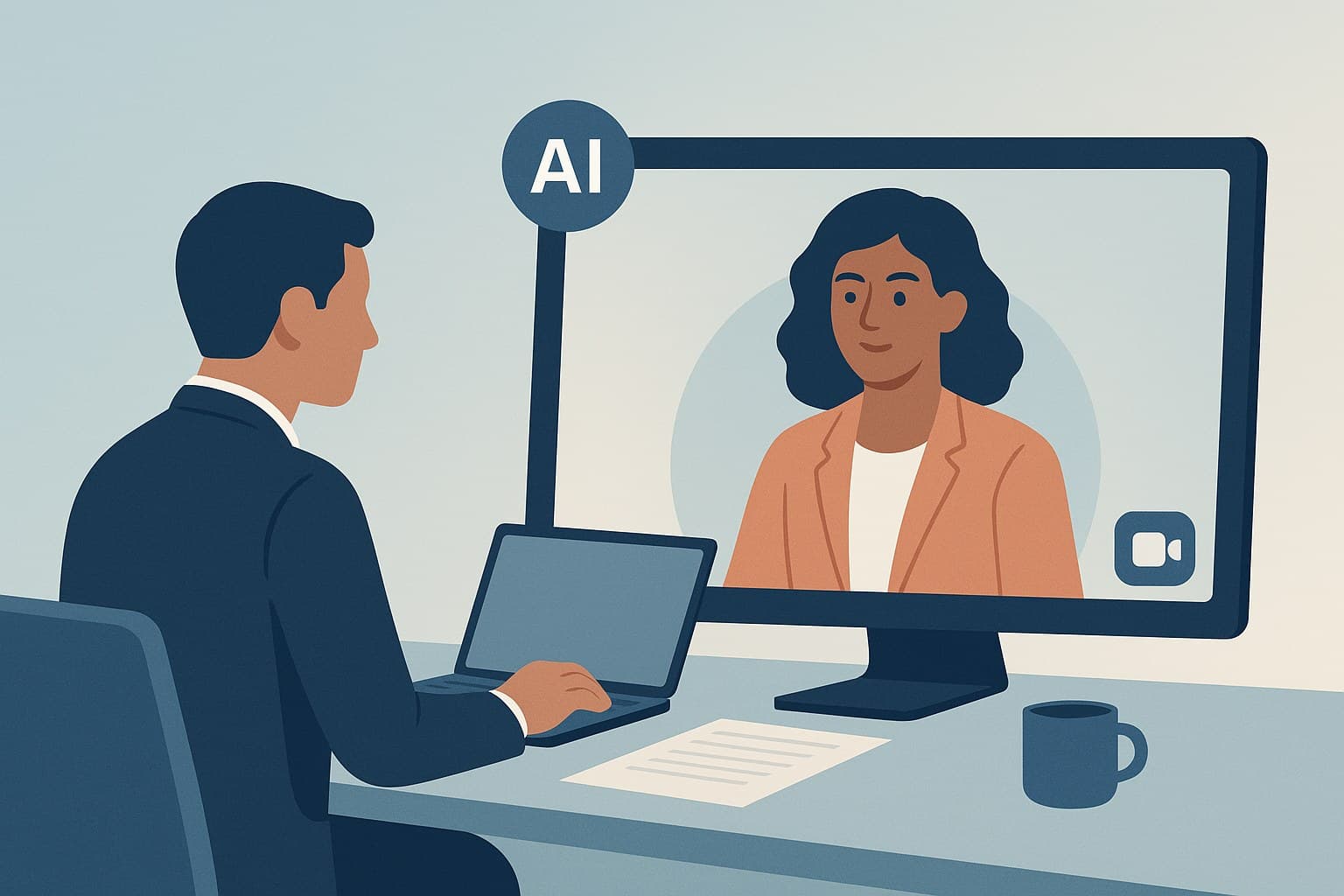
Mastering Career Change Discussions in Interviews
Navigating a career change can be daunting, especially when it comes to discussing it during job interviews. For job seekers, career changers, and recent graduates, the ability to articulate your career transition effectively can make or break your chances of landing your next role. This article provides a comprehensive guide on discussing career changes in interviews, offering practical tips and strategies to help you present your career journey in the best light.
Understanding the Importance of Career Change Discussions
Discussing career changes in interviews is crucial because it directly affects the interviewer's perception of your fit for the role and organization. Transitioning from one career path to another often involves a shift in skills, experiences, and even mindset. Employers are keen on understanding the rationale behind your career change, your commitment to the new path, and how your previous experiences add value to their team.
Career changes are becoming more common, with many professionals seeking new challenges, better work-life balance, or a more fulfilling career. This trend underscores the need for job seekers to effectively communicate their career transitions, making it an essential skill in today’s job market.
Common Challenges and Misconceptions
One of the common misconceptions about career changes is that they signal instability or lack of focus. However, this is not necessarily true. Career changes can reflect a proactive approach to personal growth and career satisfaction. The challenge lies in how you frame your story during an interview.
Job seekers often struggle with providing a coherent narrative that ties their past experiences with their future goals. They might also fear that their non-linear career path will be viewed negatively. Addressing these concerns requires careful preparation and a positive mindset.
It's important to anticipate questions about your career change and prepare answers that highlight your adaptability, transferable skills, and enthusiasm for the new field. Understanding these challenges and misconceptions is the first step towards overcoming them.
Crafting a Compelling Career Change Narrative
To effectively discuss your career change in an interview, start by crafting a compelling narrative that ties your past experiences with your future aspirations. Here’s how you can do it:
-
Identify Your Motivations: Clearly articulate why you decided to change careers. This could be due to a desire for more meaningful work, alignment with personal values, or the pursuit of a long-held passion. Make sure your motivations are genuine and align with the role you’re applying for.
-
Highlight Transferable Skills: Focus on skills that are relevant to the new role. For example, if you’re moving from teaching to project management, emphasize your skills in communication, organization, and leadership.
-
Showcase Continuous Learning: Demonstrate your commitment to the new field by highlighting any courses, certifications, or self-directed learning you’ve undertaken. This shows employers that you’re serious about the transition.
-
Connect the Dots: Create a narrative that logically connects your past experiences with the requirements of the new role. Use specific examples to illustrate how your previous roles have prepared you for this transition.
-
Express Enthusiasm and Future Goals: Convey your excitement about the new career path and articulate your long-term goals. This helps interviewers see your potential for growth within their organization.
Crafting this narrative requires reflection and practice, but it’s a powerful tool for making a strong impression.
Practical Steps to Prepare for Interviews
Preparation is key to effectively discussing your career change during interviews. Here are some practical steps you can take:
-
Research the Industry and Role: Gain a deep understanding of the industry and specific role you’re applying for. This knowledge will help you tailor your responses to align with industry expectations.
-
Practice Your Pitch: Develop a concise pitch that summarizes your career change and practice it until it feels natural. This pitch should be adaptable to different interview formats and questions.
-
Anticipate Common Questions: Prepare for questions like “Why did you change careers?” or “How does your previous experience relate to this role?” Formulate answers that reinforce your narrative and highlight your strengths.
-
Gather Evidence of Success: Collect examples of your achievements in previous roles that demonstrate the skills and qualities relevant to the new position. Quantifiable achievements are particularly persuasive.
-
Mock Interviews: Conduct mock interviews with friends or mentors to receive feedback on your responses. This practice can help you refine your delivery and build confidence.
By taking these steps, you will be better prepared to handle tough questions and present yourself as a strong candidate.
Anonymous Scenarios and Common Pitfalls
To illustrate the concepts discussed, consider the following anonymous scenario: A marketing professional transitions into a user experience (UX) design role. They prepared by taking online courses in UX design, building a portfolio, and volunteering to redesign a non-profit's website. During interviews, they emphasized their understanding of consumer behavior from their marketing background, which was highly relevant to UX design.
Common pitfalls include overemphasizing the differences between your past and future roles, which can unintentionally highlight a lack of direct experience. Instead, focus on similarities and how your unique background offers a fresh perspective.
Another pitfall is failing to address potential concerns about your career change. Be proactive in discussing how you’ve mitigated these concerns through learning and experience.
Conclusion
Successfully discussing career changes in interviews requires preparation, self-awareness, and a well-crafted narrative. By understanding the importance of these discussions, addressing common challenges, and preparing thoroughly, you can confidently navigate your career transition and impress potential employers.
Are you ready to take the next step in your career journey? Reflect on the strategies discussed, practice your narrative, and approach your interviews with confidence. What will your story be?
Frequently Asked Questions
Key questions often raised by business leaders and HR teams:
Why is it important to discuss career changes in interviews?
Discussing career changes helps interviewers understand your motivations and how your past experiences can add value to their organization.
What are common challenges when discussing a career change?
Common challenges include framing your narrative coherently and addressing misconceptions about instability or lack of focus.
How can I prepare for questions about my career change?
Prepare by anticipating questions, crafting a concise pitch, and gathering evidence of your relevant skills and achievements.
What should I focus on when discussing my previous experiences?
Highlight transferable skills and connect your past roles to the requirements of the new position to show relevance.
How can I express enthusiasm for my new career path?
Convey your excitement by discussing your long-term goals and how they align with the new role during the interview.