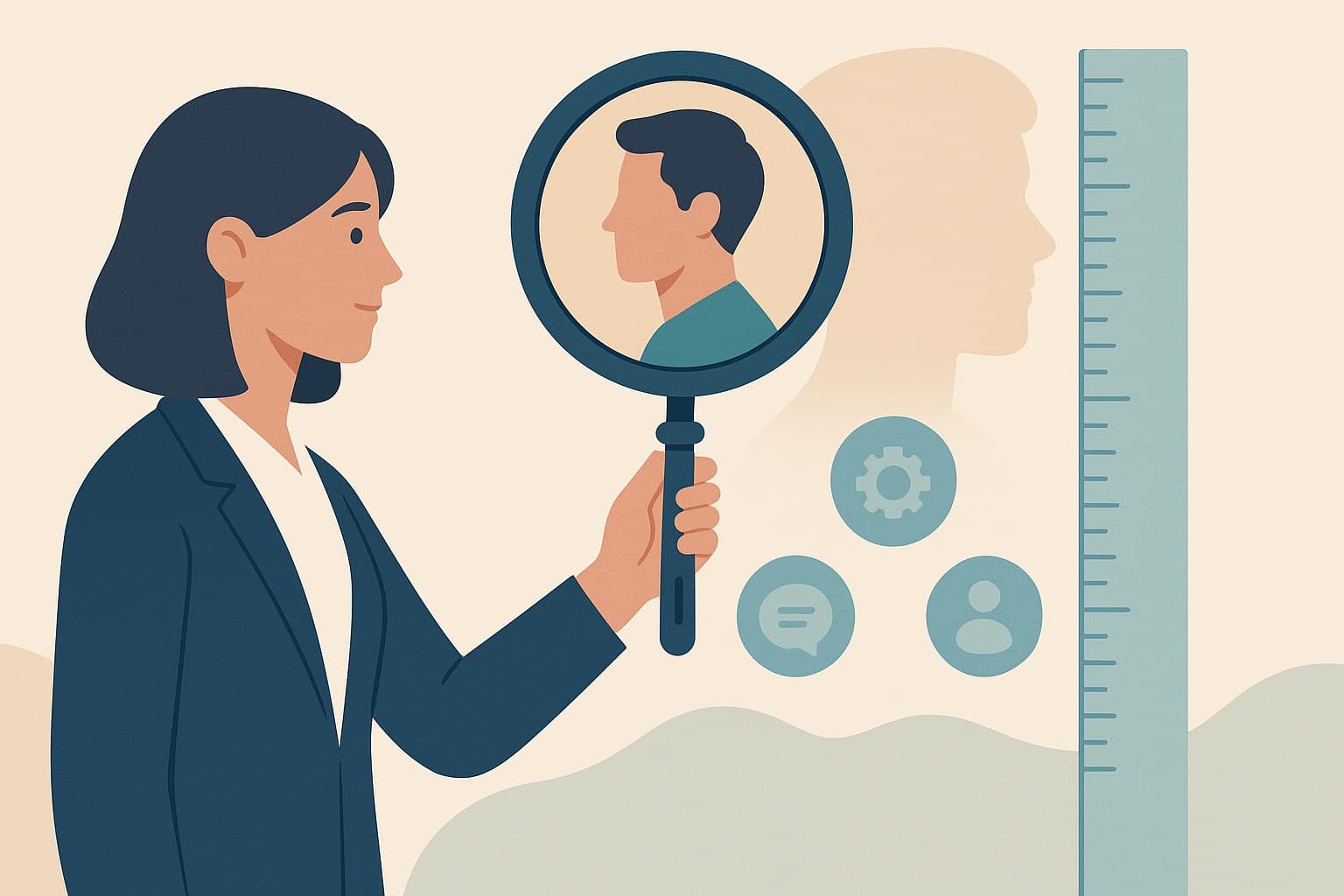
Mastering the Transition from College to Job Interviews
Navigating the leap from college life to the professional world can be daunting, especially when it comes to job interviews. For many graduates, this transition is the first significant step into a career path where first impressions are crucial. Understanding how to present oneself effectively in an interview setting can make all the difference. Let's dive into the actionable steps and insights needed to make this transition as seamless as possible.
Why Transitioning from College to Job Interviews Is Crucial
Transitioning from college to job interviews is a pivotal moment in any graduate's life. This phase sets the foundation for one's professional journey. Employers are not just looking for qualifications; they want to see how well candidates can adapt to the professional environment. This transition matters because it is the first real test of applying academic knowledge in practical scenarios.
Understanding this importance helps graduates prioritize their interview preparation. It is not merely about landing a job; it's about starting a career on the right foot. This period is a chance to showcase skills, enthusiasm, and a willingness to learn. The more prepared one is, the better they can convey their potential to prospective employers.
Common Challenges Recent Graduates Face
Despite the importance of this transition, many graduates encounter several challenges. The most common issue is the lack of real-world experience. While academic achievements are valuable, they might not directly translate to the skills needed in a corporate setting. Graduates often find themselves questioning their readiness and worrying about how to stand out in a crowded job market.
Another challenge is the unfamiliarity with the interview process itself. Interviews require more than reciting a resume; they demand confidence, communication skills, and the ability to think on one's feet. Graduates may also struggle with understanding professional etiquette, which differs significantly from the college environment.
Recognizing these challenges is the first step in overcoming them. By acknowledging these hurdles, graduates can take proactive measures to address their weaknesses.
Key Concepts in Preparing for Job Interviews
Preparation is the cornerstone of successful job interviews. The first concept to grasp is understanding the job description thoroughly. This involves not only knowing the role but also the company’s culture and values. Tailoring one’s responses to align with these factors can significantly increase a candidate’s appeal.
Another essential concept is storytelling. Graduates should learn to articulate their experiences and achievements in a narrative form that highlights their strengths. This technique helps in making a personal connection with the interviewer and demonstrates communication skills.
Moreover, understanding the STAR method (Situation, Task, Action, Result) is crucial. This framework helps candidates structure their responses to behavioral questions, which are a staple in interviews. Practicing this method allows graduates to provide clear and concise answers that effectively showcase their problem-solving abilities and accomplishments.
Effective Strategies for Interview Preparation
Preparation extends beyond understanding concepts; it involves practical steps. One effective strategy is conducting mock interviews. These simulations help candidates refine their responses, improve their body language, and gain confidence. Mock interviews can be done with peers, mentors, or career advisors who can provide constructive feedback.
Researching the company is another vital strategy. This involves delving into the company’s history, mission, and recent achievements. Such knowledge not only helps in answering questions but also in formulating insightful inquiries for the interviewer, demonstrating a genuine interest in the company.
Additionally, preparing a professional portfolio can set a candidate apart. This portfolio should include a well-crafted resume, cover letter, and any relevant work samples or projects. Having these documents organized and readily accessible can make a strong impression on the interviewer.
Avoiding Common Interview Pitfalls
Despite best efforts, many candidates fall into common interview pitfalls. One such pitfall is failing to ask questions at the end of the interview. This opportunity should not be missed, as it shows the interviewer that the candidate is truly interested in the role and the company.
Another common mistake is overemphasizing academic achievements while neglecting to highlight soft skills such as teamwork, adaptability, and communication. These skills are often just as important as technical expertise.
Furthermore, candidates should avoid speaking negatively about past experiences or employers. Maintaining a positive and professional demeanor is crucial, as it reflects one’s ability to handle challenging situations gracefully.
Anonymous Scenarios: Lessons from Others' Experiences
Consider the scenario of a recent graduate from a mid-sized university who struggled with conveying confidence during interviews. Initially, this graduate focused solely on academic achievements, neglecting to emphasize teamwork experiences gained through group projects. By shifting focus to include these collaborative experiences and practicing with friends, the graduate improved their interview performance significantly.
In another scenario, a graduate who was overly nervous during interviews found success by engaging in role-playing exercises with a mentor. These sessions helped the graduate become more comfortable with the format and improved their ability to think on their feet, ultimately leading to a successful job offer.
These examples highlight the importance of preparation and the value of learning from others' experiences to enhance one's own interview skills.
Conclusion
Successfully transitioning from college to job interviews involves understanding the importance of this phase, recognizing common challenges, mastering key concepts, implementing effective strategies, and avoiding pitfalls. By preparing thoroughly and learning from anonymous scenarios, graduates can confidently step into the professional world. Are you ready to take the next step in your career journey and make a lasting impression in your job interviews?
Frequently Asked Questions
Key questions often raised by business leaders and HR teams:
What are the common challenges graduates face during job interviews?
Graduates often struggle with a lack of real-world experience and unfamiliarity with the interview process. They may also find it challenging to communicate their skills effectively.
How important is preparation for job interviews?
Preparation is crucial as it helps candidates understand the job description, tailor their responses, and build confidence. Practicing through mock interviews can significantly improve performance.
What strategies can help in preparing for interviews?
Conducting mock interviews, researching the company, and preparing a professional portfolio are effective strategies. These steps help candidates present themselves more confidently.