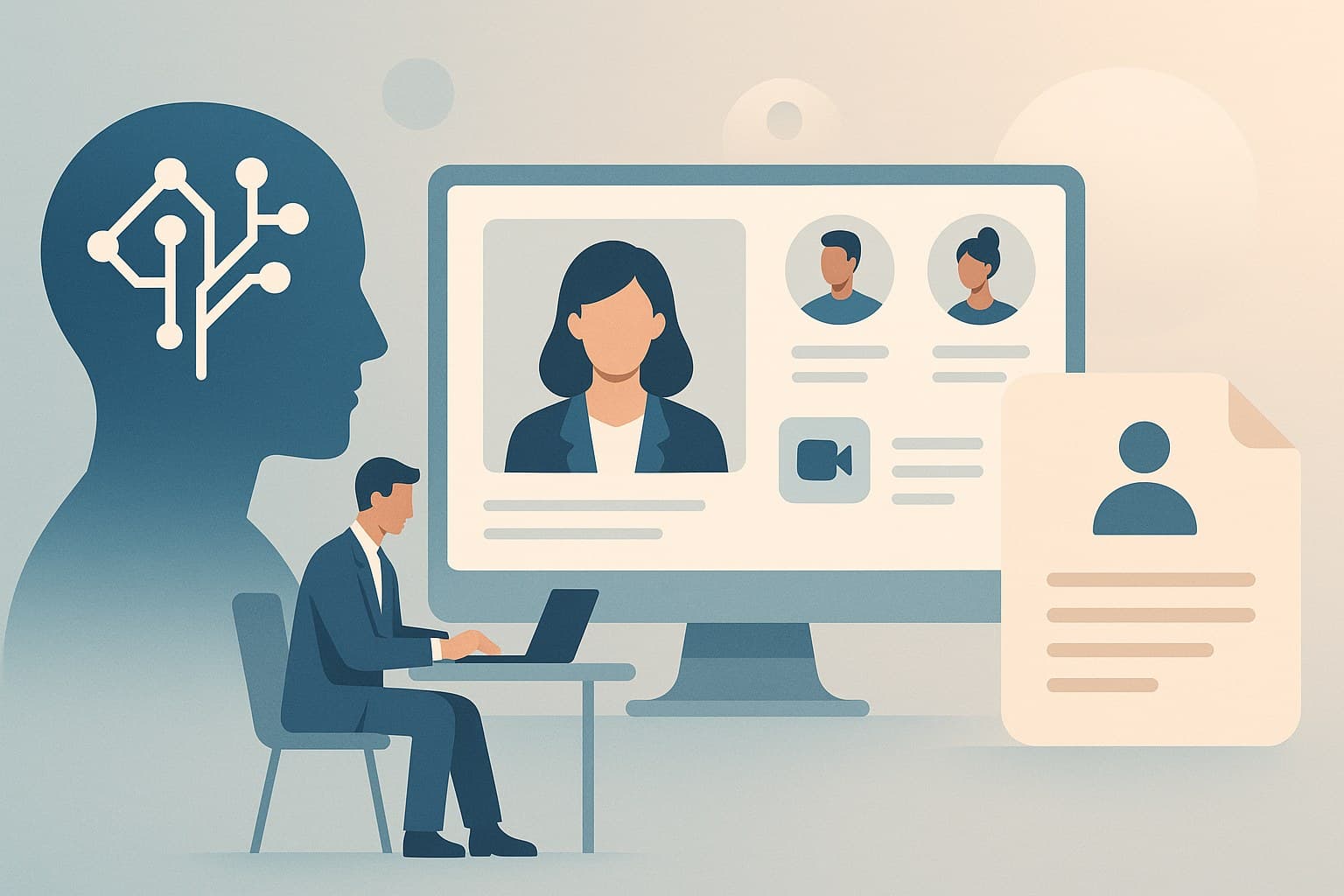
Mastering Communication Skills for Job Interviews
In the competitive landscape of job interviews, your communication skills can be the deciding factor between landing a position and missing out. Whether you're a recent graduate or looking to transition careers, mastering these skills is crucial. From articulating your thoughts clearly to reading non-verbal cues, effective communication can set you apart from other candidates.
Understanding the Importance of Communication Skills
Communication is more than just speaking; it's about conveying ideas effectively and building rapport. In job interviews, your ability to communicate effectively demonstrates your potential as a valuable team member. Employers are looking for candidates who can not only perform tasks but also collaborate and contribute to the work environment. Effective communication shows that you can present ideas clearly, handle difficult conversations, and work collaboratively.
Beyond the interview room, strong communication skills are essential in nearly every job. They help in networking, negotiating, and leading projects. By focusing on improving these skills, you're not only preparing for interviews but also enhancing your overall career prospects.
Common Communication Challenges in Interviews
Job interviews often bring a specific set of communication challenges. Nerves can lead to stumbling over words or forgetting key points. An anonymous hiring manager shared that candidates often struggle with "the art of storytelling," failing to effectively convey their experiences in a way that highlights their strengths. Additionally, many interviewees overlook the power of non-verbal communication, such as eye contact and body language, which can significantly influence the interviewer's perception.
Another challenge is active listening. Candidates sometimes focus too much on what they want to say next, rather than truly listening to the interviewer's questions and responding thoughtfully. This can lead to answers that are off-topic or do not fully address the question. Recognizing and overcoming these challenges can significantly improve your interview performance.
Core Principles of Effective Communication
The foundation of effective communication in interviews involves several key principles. First, clarity is crucial. This means being concise and to the point, avoiding jargon unless you're sure the interviewer will understand it. An anonymous tech recruiter suggests, "Use language that's accessible and straightforward to convey your ideas effectively."
Empathy is another important principle. Understanding the perspective of your interviewer allows you to tailor your responses to what they are looking for. This doesn't mean saying what you think they want to hear, but rather aligning your experiences and skills with their needs.
Lastly, adaptability is essential. Interviews can be unpredictable, and you need to be able to adjust your communication style based on the flow of conversation and the interviewer's cues.
Practical Steps to Enhance Communication Skills
Improving your communication skills for interviews involves deliberate practice and preparation. Start by recording yourself answering common interview questions. This allows you to review your verbal and non-verbal communication, identifying areas for improvement. Pay attention to your tone, pace, and clarity.
Mock interviews are another effective method. Partner with a friend or mentor to simulate interview conditions. This practice can help reduce nerves and improve your ability to think on your feet. Feedback from these sessions is invaluable for fine-tuning your skills.
Additionally, improve your active listening skills by engaging in conversations without interrupting. Practice summarizing what others say before responding. This not only shows respect but also ensures you understand the question or comment before answering.
Real-Life Scenarios and Common Pitfalls
Consider a scenario where a candidate at a mid-size tech firm was asked to describe a challenging project they managed. Instead of focusing on technical details, they highlighted their communication strategy, emphasizing team collaboration and stakeholder management. This shift in focus demonstrated not only their technical ability but also their leadership and interpersonal skills.
Common pitfalls include over-rehearsing answers, which can make responses sound robotic. It's important to remain flexible and genuine, allowing for natural conversation flow. Another trap is using filler words like "um" and "uh," which can undermine your confidence. Becoming aware of these habits is the first step to correcting them.
Conclusion
Communication skills are a critical component of successful job interviews. By understanding their importance, recognizing common challenges, and applying practical improvement strategies, you can enhance your interview performance. Remember, effective communication is not just about speaking; it's about engaging, listening, and adapting. As you prepare for your next interview, consider how you can convey your unique strengths and make a lasting impression. What steps will you take today to refine your communication skills and advance your career?
Frequently Asked Questions
Key questions often raised by business leaders and HR teams:
Why are communication skills important in job interviews?
Communication skills are crucial in job interviews as they demonstrate your ability to convey ideas, collaborate with others, and handle challenging conversations.
What are common challenges faced during interviews?
Common challenges include nerves leading to stumbling over words, the art of storytelling, and difficulties with active listening.
How can I improve my communication skills for interviews?
You can improve by practicing mock interviews, recording yourself, and focusing on active listening during conversations.
What should I avoid during an interview?
Avoid over-rehearsing answers to prevent sounding robotic, and be mindful of using filler words like 'um' and 'uh.'
How does non-verbal communication impact interviews?
Non-verbal communication, such as eye contact and body language, significantly influences the interviewer's perception and can enhance your overall message.