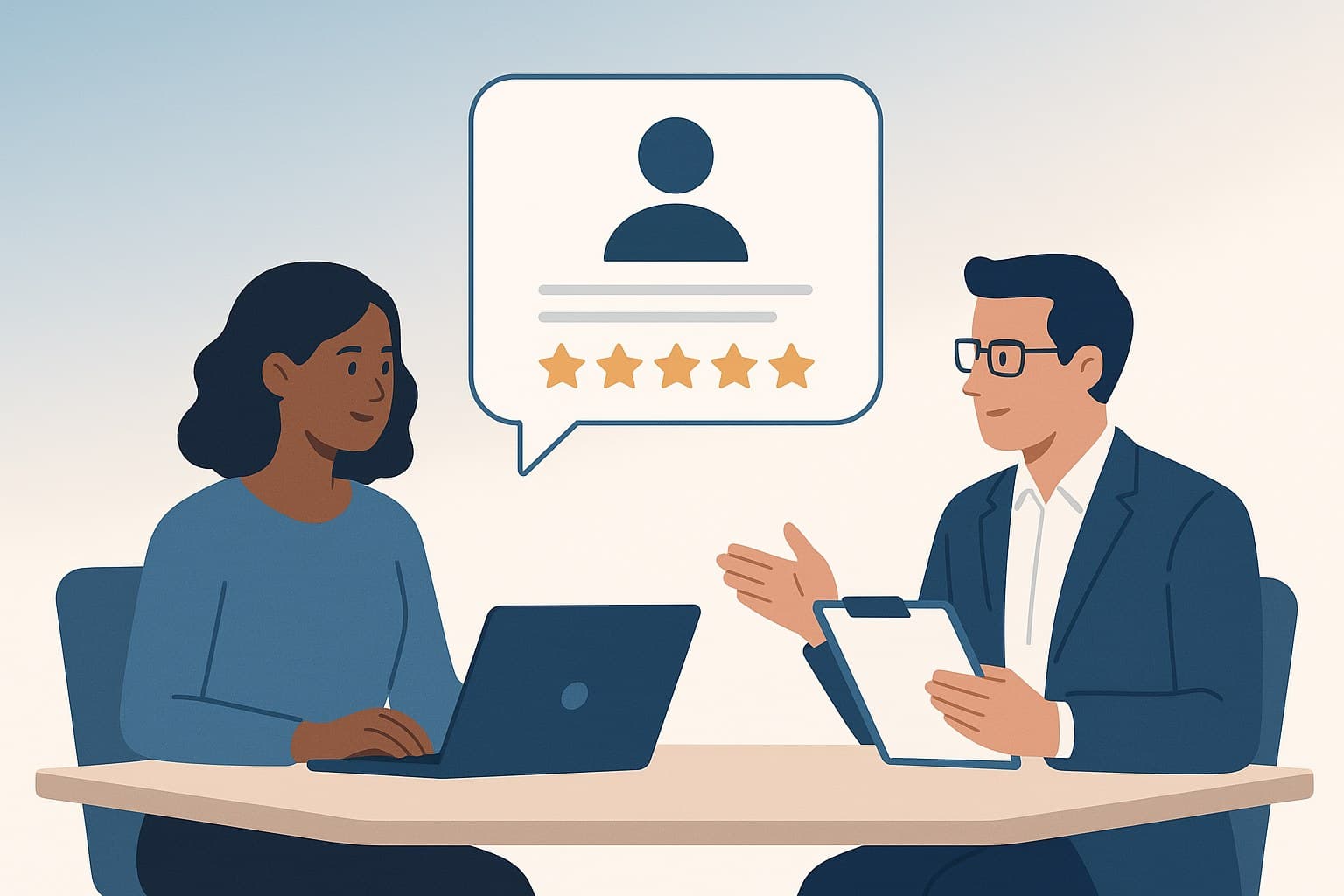
Mastering Company Research Before Interviews
In today's competitive job market, understanding the company you're interviewing with is not just advantageous—it's essential. Researching companies before interviews can set you apart from other candidates by demonstrating your genuine interest and alignment with the company's values and goals. This article will guide you through effective strategies for conducting company research, ensuring you walk into your next interview with confidence and the knowledge to impress.
Why Researching Companies Matters
Researching a company before an interview is critical for several reasons. First and foremost, it allows you to tailor your responses to align with the company's culture and values. This not only shows that you have done your homework but also that you are genuinely interested in becoming a part of their team. Furthermore, understanding the company’s products, services, and market position can help you ask insightful questions, demonstrating your strategic thinking and readiness to contribute.
Another significant aspect is the confidence boost that comes from being well-prepared. When you are familiar with the company, you are less likely to be caught off-guard by questions about their operations or industry trends. This preparation can help reduce interview anxiety, allowing you to focus on showcasing your skills and fit for the role.
Common Pitfalls and Misunderstandings
Despite the importance of company research, many job seekers fall into common pitfalls. One such mistake is relying solely on the company’s website. While the website is a valuable resource, it often presents an idealized version of the company. To gain a more rounded understanding, delve into recent news articles, press releases, and employee reviews on platforms like Glassdoor.
Another misunderstanding is the assumption that knowing the company’s products is sufficient. While product knowledge is important, it’s crucial to also understand the company’s mission, values, and culture. These elements often play a significant role in hiring decisions, as employers look for candidates whose values align with their own.
Additionally, some candidates overlook the importance of researching the interviewers themselves. Knowing their professional background and role within the company can provide insights into the questions they might ask and the qualities they value in a team member.
Core Concepts of Effective Research
Effective company research goes beyond surface-level information. Start by identifying the company’s mission and values, as these are often the foundation of their corporate culture. Understanding these can help you craft responses that resonate with the interviewers. Next, explore the company’s recent achievements and challenges. This information can be found in press releases, industry reports, and news articles.
Another core concept is understanding the company’s industry and competitive landscape. This involves researching key competitors and market trends to understand where the company stands and how it differentiates itself. This knowledge can help you speak to how your skills and experiences can address the company’s current challenges and opportunities.
Finally, consider the company’s financial health. While this may seem daunting, basic insights can be gained by reviewing annual reports and financial statements if the company is publicly traded. Understanding the company’s financial position can help you discuss how your role might impact their bottom line.
Practical Steps for Conducting Company Research
To conduct thorough company research, start by reviewing the company’s official website, focusing on sections like "About Us," "Careers," and "News." Next, explore social media platforms like LinkedIn to gain insights into the company’s culture and recent activities. Follow key leaders and employees to understand their professional journeys and viewpoints.
Use professional networks to gather insider information. Platforms like LinkedIn allow you to connect with current or former employees who can provide firsthand insights. When reaching out, be respectful and concise, explaining that you are researching the company for an interview.
Another practical step is to set up Google Alerts for the company’s name and industry-related keywords. This will keep you updated on recent developments and news, ensuring you have the latest information at your fingertips.
Finally, utilize business databases such as Bloomberg or Hoovers for in-depth industry analysis and competitor insights. These resources can provide valuable context that helps you understand the broader market dynamics affecting the company.
Anonymous Scenarios and Common Traps
Consider a scenario where a candidate interviews for a mid-level position at a tech firm. They focus solely on the company’s flagship product, assuming this knowledge will suffice. During the interview, they are asked about recent industry challenges impacting the company, but they are unprepared to answer. This oversight highlights the importance of comprehensive research that includes industry trends and challenges.
Another common trap is over-reliance on company-provided materials. A candidate might memorize the company’s mission statement verbatim, missing the opportunity to interpret it in a way that demonstrates personal alignment and understanding. Interviewers appreciate when candidates can relate company values to personal experiences or career goals, showing a deeper connection.
Conclusion
In conclusion, researching companies before interviews is not just about gathering facts—it's about understanding the company’s essence and how you can contribute to its success. By avoiding common pitfalls and following practical steps, you can gain a holistic view that empowers you to engage confidently and meaningfully with potential employers. As you prepare for your next interview, consider what unique insights you can offer, and remember that thorough research is the key to making a lasting impression. What will you discover about your next potential employer that could set you apart?
Frequently Asked Questions
Key questions often raised by business leaders and HR teams:
Why is researching a company important before an interview?
Researching a company helps you tailor your responses to align with their values and culture, showing genuine interest and preparedness.
What are common mistakes to avoid when researching a company?
Common mistakes include relying solely on the company's website and neglecting to understand its mission, values, and industry context.
How can I effectively gather information about a company?
Utilize the company's official website, social media, professional networks, and business databases for comprehensive insights.
What should I focus on when researching a company's industry?
Understand key competitors, market trends, and the company's position within the industry to discuss how your skills can address their challenges.