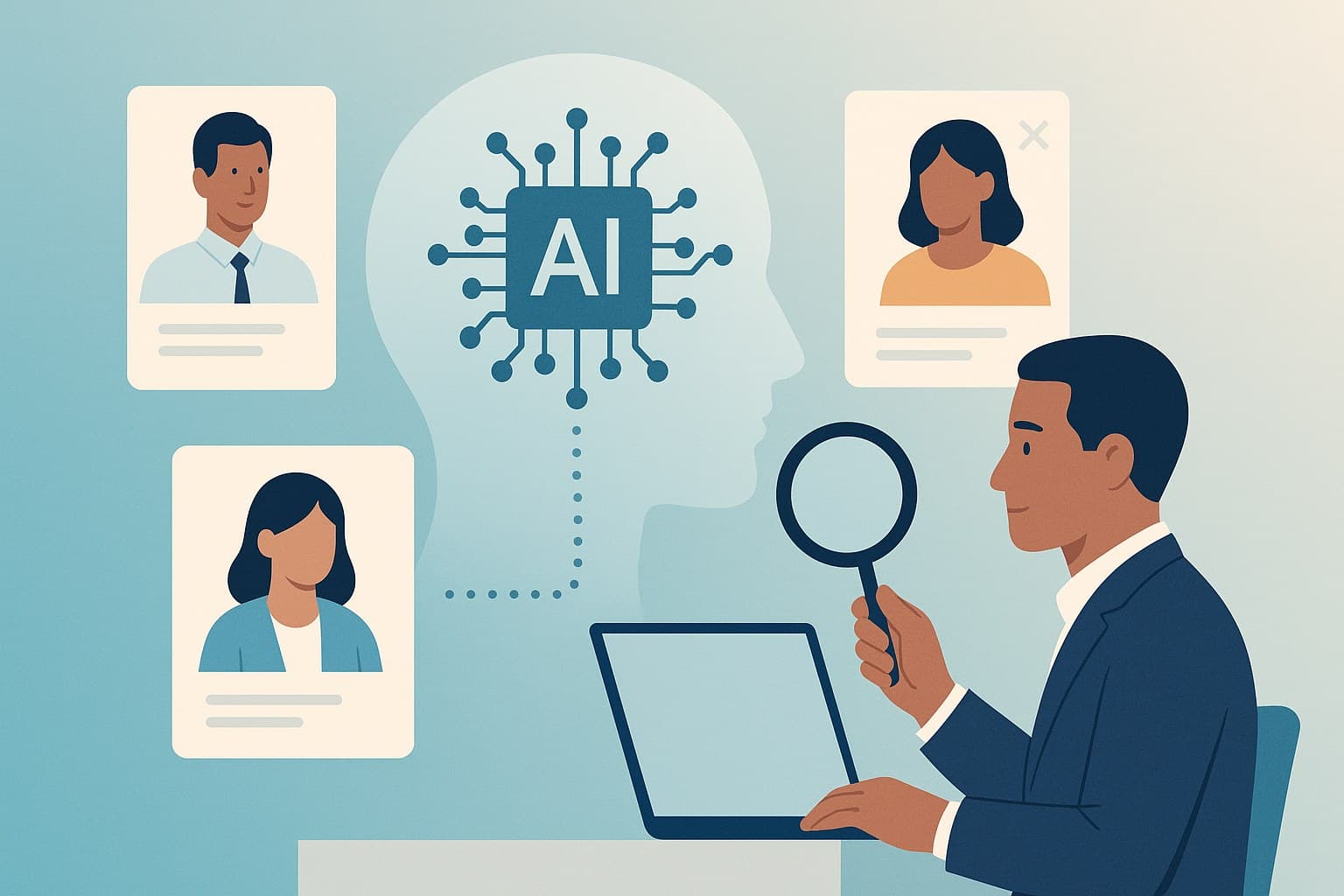
Decoding Technical Interview Questions: A Comprehensive Guide
Imagine sitting in a room, faced with a complex coding problem, as the clock ticks away and your future hinges on your ability to solve it. This scenario is all too familiar for job seekers preparing for technical interviews. Mastering the art of decoding technical interview questions is crucial for anyone aiming to secure a role in the tech industry. This guide offers actionable insights to help you navigate this challenging process with confidence.
Understanding the Importance of Technical Interviews
Technical interviews are a critical component of the hiring process in the tech industry. They serve as a practical assessment of a candidate's problem-solving abilities, technical knowledge, and coding skills. Hiring managers use these interviews to evaluate how well candidates can apply their skills to real-world scenarios. For job seekers, acing these interviews can mean the difference between landing a dream job and continuing the job search.
Technical interviews are not just about testing knowledge but also about assessing how candidates think under pressure. They provide a glimpse into a candidate's thought process, which is invaluable for employers looking to build strong, innovative teams. Therefore, preparing effectively for these interviews is crucial for candidates who want to stand out.
In this context, the ability to decode technical interview questions becomes essential. It allows candidates to break down complex problems into manageable parts and develop a structured approach to solving them. This skill not only enhances performance in interviews but also boosts confidence, which can make a significant difference in high-stakes situations.
Common Misconceptions and Challenges
Many job seekers approach technical interviews with misconceptions that can hinder their performance. One common myth is that technical interviews solely test coding skills. While coding is a significant component, these interviews also assess problem-solving, algorithmic thinking, and communication skills.
Another challenge is the fear of the unknown. Candidates often worry about encountering unfamiliar questions or being unable to solve a problem on the spot. This anxiety can lead to self-doubt, which negatively impacts performance. It's important to remember that interviewers are often more interested in the approach and thought process rather than finding the perfect solution immediately.
Furthermore, some candidates underestimate the importance of soft skills in technical interviews. Effective communication, for instance, is crucial when explaining your thought process to interviewers. Being able to articulate your reasoning clearly can make a strong impression, even if the final answer is not entirely correct.
Understanding these challenges and misconceptions is the first step towards overcoming them. By addressing these issues head-on, candidates can better prepare for the realities of technical interviews.
Breaking Down Technical Interview Questions
Decoding technical interview questions involves a systematic approach to problem-solving. The first step is to thoroughly understand the problem statement. Carefully read the question and identify the key requirements and constraints. It's crucial to ensure that you fully grasp what is being asked before attempting to solve the problem.
Once you understand the question, the next step is to devise a plan. This involves brainstorming potential solutions and selecting the most efficient one. Consider different algorithms and data structures that could be applied to the problem. Think about the time and space complexity of your solution to ensure it is optimal.
After planning, it's time to implement the solution. Write clean, efficient code and test it with various inputs to ensure it works as expected. Debug any issues that arise and refine your solution if necessary. Remember, interviewers are interested in seeing how you approach problems and handle challenges, so don't be afraid to talk through your thought process as you work.
Finally, practice is key to mastering this skill. Regularly solving practice problems and participating in coding challenges can help you become more comfortable with the process of decoding technical interview questions.
Effective Strategies for Preparation
Preparation is crucial for success in technical interviews. Start by familiarizing yourself with common data structures and algorithms. Understanding how to implement and apply them is fundamental to solving technical interview questions effectively.
Additionally, practice coding regularly. Use platforms that offer coding challenges to hone your skills and simulate the interview experience. Focus on a variety of problem types to build a well-rounded skill set. Consistent practice will help you develop the ability to tackle unfamiliar problems with confidence.
Mock interviews are another valuable preparation tool. They provide an opportunity to practice in a setting similar to a real interview, complete with time constraints and pressure. This experience can help reduce anxiety and improve performance when it matters most.
Finally, seek feedback from peers or mentors. Constructive criticism can highlight areas for improvement and provide new insights into solving problems. Incorporating this feedback into your preparation routine can lead to significant progress.
Navigating Common Pitfalls
Even with thorough preparation, candidates can still encounter pitfalls during technical interviews. One common issue is rushing through the problem-solving process. It's important to take your time to understand the question and plan your solution before diving into coding.
Another pitfall is ignoring edge cases. Ensure your solution accounts for all possible scenarios, including unusual or extreme inputs. This demonstrates a thorough understanding of the problem and attention to detail.
Additionally, some candidates struggle with articulating their thought process. Practice explaining your reasoning and decision-making as you work through problems. This communication skill can set you apart from other candidates and leave a positive impression on interviewers.
Lastly, don't let a difficult question demoralize you. If you encounter a challenging problem, stay calm and approach it methodically. Break it down into smaller parts and tackle each section individually. Remember that persistence and resilience are valuable traits in the tech industry.
Conclusion
Decoding technical interview questions is an essential skill for job seekers in the tech industry. By understanding the importance of technical interviews, addressing common misconceptions, and adopting effective preparation strategies, candidates can improve their performance and increase their chances of success.
Remember, technical interviews are not just about testing your knowledge but also about demonstrating your thought process and problem-solving abilities. With practice and perseverance, you can master the art of decoding technical interview questions and take a significant step towards securing your desired role. As you prepare, consider this: What unique perspective or approach can you bring to your next interview challenge?
Frequently Asked Questions
Key questions often raised by business leaders and HR teams:
What are technical interviews?
Technical interviews assess a candidate's problem-solving abilities and coding skills through practical exercises and questions.
How can I prepare for a technical interview?
Familiarize yourself with common algorithms, practice coding regularly, and consider mock interviews to simulate the real experience.
What should I focus on during a technical interview?
Focus on understanding the problem, planning your approach, and clearly articulating your thought process while coding.
What are common pitfalls in technical interviews?
Common pitfalls include rushing through problems, neglecting edge cases, and failing to communicate your thought process effectively.