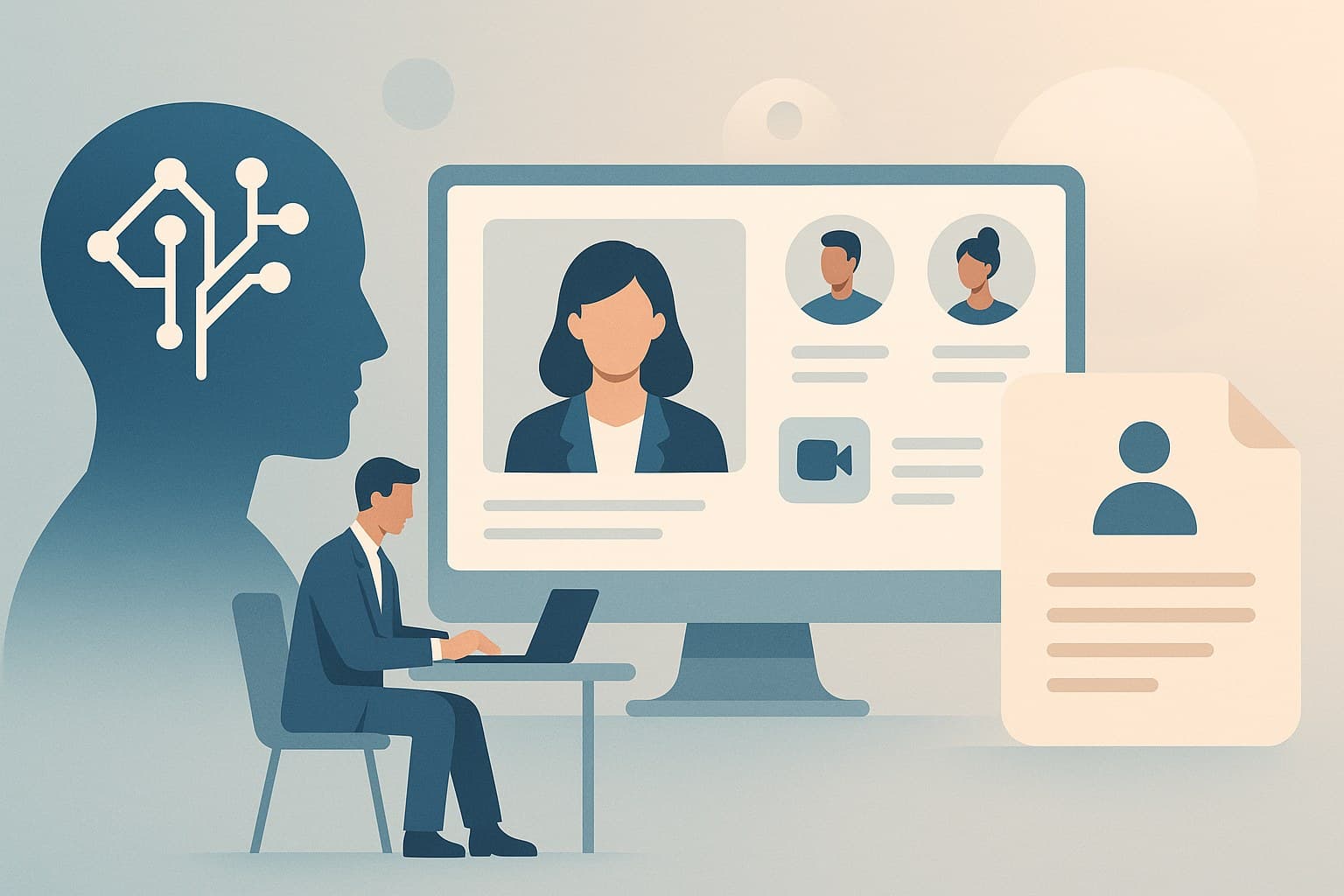
Mastering the Art of Discussing Weaknesses in Interviews
In the high-pressure environment of job interviews, discussing your weaknesses can feel like navigating a minefield. While a necessary part of the interview process, this topic often leaves candidates anxious and uncertain about how to proceed. Understanding how to effectively communicate your weaknesses not only demonstrates self-awareness but also showcases your ability to grow and improve. This article will guide you through the strategies for discussing weaknesses in interviews with confidence.
Why Discussing Weaknesses is Crucial
The question about weaknesses is a staple in interviews because it offers employers insights into your self-awareness and growth mindset. Candidates who can honestly evaluate their weaknesses and show how they address them are often seen as proactive and adaptable. This ability is vital because every job, no matter how well-suited a candidate is, will present challenges that require learning and adaptation.
For hiring managers, understanding a candidate's weaknesses provides a more complete picture of their capabilities and potential fit within the company culture. It helps them assess whether the candidate is likely to seek improvement and handle criticism constructively. Therefore, preparing for this question is not just about identifying a weakness but understanding how to turn it into a testament to your personal and professional growth.
Common Mistakes When Discussing Weaknesses
Many candidates stumble over this question because they either downplay their weaknesses or choose weaknesses that are actually strengths in disguise, such as "I'm too detail-oriented." While these might seem safe, they often come across as insincere or lacking in self-awareness. Another common mistake is choosing a weakness that is too critical to the role, which can raise red flags for employers.
To avoid these pitfalls, focus on genuine weaknesses that you've taken steps to improve. This approach not only highlights your honesty but also your dedication to personal development. Consider weaknesses that don't directly impact your ability to perform the core functions of the role but are areas where growth is beneficial.
How to Choose the Right Weakness
Selecting the right weakness to discuss requires a strategic approach. Start by reviewing the job description and identifying the key competencies required. Then, think about your own skills and experiences. Choose a weakness that you have actively worked on improving. For instance, if you're applying for a role that requires strong public speaking skills and you previously struggled with presentations, you might discuss how you've taken public speaking classes to overcome this challenge.
The key is to ensure that your chosen weakness does not undermine your ability to perform the job effectively. Instead, it should illustrate your ability to recognize areas for improvement and your commitment to personal growth. This balance showcases your readiness to take on challenges and your proactive nature.
Structuring Your Response Effectively
When discussing your weaknesses, structure your response to maximize impact. Start by clearly stating the weakness and providing context or an example to illustrate it. Then, discuss the steps you have taken to address this weakness. Conclude by highlighting the progress you have made and how these improvements benefit your professional capabilities.
For example, you might say, "I used to struggle with delegation because I felt the need to control every aspect of a project. However, I recognized this was unsustainable as my responsibilities grew. I took management courses and consciously practiced delegating tasks. As a result, I've become more effective in my role, and my team members have thrived with increased responsibilities."
Practice Makes Perfect
Preparation is key to delivering a confident and coherent answer during an interview. Practice your response until it feels natural. You might rehearse with a friend or recording yourself to refine your delivery and ensure clarity. Pay attention to your tone and body language, as these non-verbal cues can significantly impact how your message is received.
While practicing, ensure your response is concise. Long-winded explanations can dilute the impact of your message. Aim for a response that is clear and to the point, ideally between 60 to 90 seconds. This brevity demonstrates your ability to communicate effectively and respect the interviewer's time.
Real-World Scenarios and Common Pitfalls
Consider a scenario where a project manager is asked about weaknesses in an interview. The manager might mention struggling with time management in the past, which is a crucial skill for their role. However, by explaining the specific steps they have taken to improve, such as implementing time-tracking tools and prioritizing tasks more effectively, they can demonstrate significant growth.
It's important to avoid weaknesses that could be viewed as critical flaws in the role you are applying for. For instance, if you are applying for a finance role, mentioning a weakness in numerical skills could be detrimental. Instead, choose a weakness that shows room for growth but does not directly impede your ability to fulfill key job responsibilities.
Conclusion
Discussing weaknesses in interviews is an opportunity to demonstrate self-awareness and a growth mindset. By choosing the right weakness, structuring your response effectively, and practicing thoroughly, you can turn this potentially challenging question into a powerful testament to your character and potential. As you prepare for your next interview, remember that honesty and a commitment to improvement are your best allies. What will you do today to embrace your weaknesses and transform them into strengths?
Frequently Asked Questions
Key questions often raised by business leaders and HR teams:
Why is discussing weaknesses important in an interview?
Discussing weaknesses shows self-awareness and a growth mindset, which are valued by employers. It helps them assess your potential fit within the company culture.
What common mistakes should I avoid when discussing weaknesses?
Avoid downplaying your weaknesses or choosing strengths disguised as weaknesses. Focus on genuine weaknesses that you've actively worked to improve.
How should I structure my response when discussing weaknesses?
Start by stating your weakness, provide context, discuss steps taken to improve, and conclude with the progress made. This structure maximizes the impact of your answer.
How can I prepare for discussing weaknesses in an interview?
Practice your response until it feels natural. Rehearse with a friend or record yourself to refine your delivery and ensure clarity.