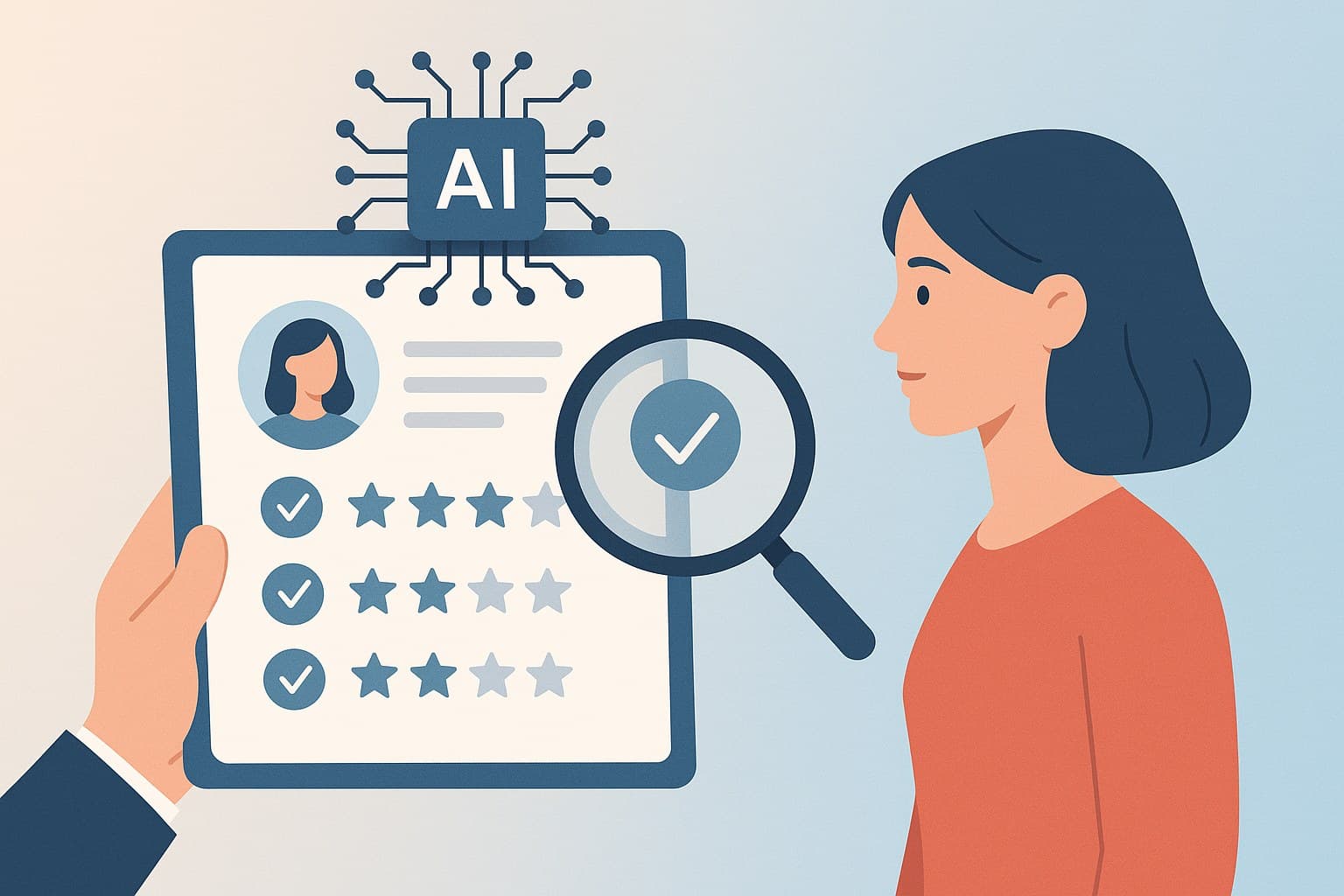
Mastering Employment Gaps in Interviews: Essential Strategies
Facing a job interview can be daunting, especially when you have employment gaps in your resume. These gaps often become focal points of concern for job seekers. Addressing them effectively can make a significant difference in how employers perceive you. Understanding how to navigate this topic is crucial for job seekers, career changers, and recent graduates alike. This article will guide you through actionable strategies to confidently discuss employment gaps during interviews, ensuring you make a compelling case for your candidacy.
Why Employment Gaps Matter
Employment gaps in your resume might raise red flags for potential employers. They may question your commitment, skills, or reliability. Understanding why these concerns arise is the first step in effectively addressing them. Employers often perceive gaps as a risk, fearing that the candidate may lack up-to-date skills or the ability to adapt to a regular work routine. This perception can significantly impact your chances of securing a job if not addressed properly.
However, employment gaps are more common than many realize. Life events such as family obligations, personal health issues, or further education can lead to legitimate breaks in employment. By acknowledging the importance of these gaps, you can better prepare to explain them in a positive light during interviews.
Common Misconceptions and Challenges
One of the most prevalent misconceptions is that all employment gaps are negative. This is not always the case. Some gaps might result from positive life changes such as pursuing further education or taking time off for personal growth. Another challenge is the fear of being judged or perceived as less capable due to these gaps. Job seekers often struggle with the anxiety that their gaps will overshadow their qualifications.
To overcome these challenges, it's important to shift your mindset. Instead of viewing employment gaps as a liability, consider them an opportunity to showcase personal growth, resilience, and adaptability. This approach can help alleviate the anxiety associated with potential judgment and allow you to focus on your strengths.
Core Concepts for Addressing Employment Gaps
Addressing employment gaps effectively involves a few core concepts that can transform these periods from potential liabilities to assets.
-
Honesty and Transparency: Always be truthful about your employment history. Attempting to cover up gaps or fabricate stories can damage your credibility. Employers value integrity and honesty.
-
Relevance to the Role: When discussing gaps, relate them to the position you are applying for. Explain how the experiences during your gap have prepared you for this role. This could include skills acquired during volunteer work, freelancing, or courses taken during the gap.
-
Positive Framing: Frame your employment gap as a period of learning and development. Whether you were acquiring new skills, volunteering, or managing personal responsibilities, emphasize the positive aspects and how they contribute to your professional growth.
-
Preparedness: Anticipate questions about your employment gap and prepare your responses in advance. Practice articulating them clearly and concisely to ensure you convey confidence during the interview.
Practical Steps to Discuss Employment Gaps
Knowing why and how to address employment gaps is crucial, but practical steps can make the process smoother.
-
Craft a Compelling Narrative: Develop a coherent story around your employment gap. For example, if you took time off for family reasons, explain how this has enhanced your organizational and multitasking skills, which are valuable in the workplace.
-
Highlight Transferable Skills: Identify skills gained during the gap that apply to the job. This might include problem-solving, time management, or leadership skills.
-
Update Your Resume and LinkedIn Profile: Clearly indicate any courses, volunteer work, or freelance projects undertaken during the gap. This demonstrates that even if you weren't in a traditional job, you were still actively engaged in skill-building activities.
-
Practice Your Pitch: Rehearse your explanation with friends or mentors. Constructive feedback can help refine your narrative and improve delivery.
-
Use Positive Body Language: Non-verbal cues during an interview can reinforce your message. Maintain eye contact, use a confident tone, and smile to convey sincerity and positivity.
Anonymous Scenario: A Hiring Manager's Perspective
Consider the perspective of a hiring manager at a mid-size tech firm. They are reviewing applications for a tech support role and notice a gap in one candidate's employment history. Intrigued by the candidate's technical skills and previous experience, the manager decides to schedule an interview.
During the interview, the candidate openly discusses their gap, explaining that they had taken a year off to complete a specialized certification in cybersecurity. They elaborate on how this period allowed them to develop critical skills that are directly relevant to the position. The hiring manager appreciates the candidate's honesty and the proactive steps taken to enhance their expertise.
This scenario illustrates how transparency and relevance can turn what might initially seem like a red flag into a testament to the candidate's dedication to professional growth.
Conclusion
Effectively addressing employment gaps in interviews requires honesty, preparation, and a focus on the positive aspects of your experiences during those periods. By framing gaps as opportunities for growth and skill development, you can reshape the narrative to highlight your strengths. Practice and preparation are key to delivering a confident and convincing explanation. Remember, employment gaps do not define your capabilities but can enhance your story when addressed strategically. As you prepare for your next interview, consider how you can transform potential concerns into compelling reasons to hire you. What story will you tell to turn your employment gaps into stepping stones for success?
Frequently Asked Questions
Key questions often raised by business leaders and HR teams:
How should I address employment gaps in an interview?
Be honest about your gaps and frame them positively. Explain how your experiences during that time have prepared you for the role.
Are employment gaps always viewed negatively by employers?
Not necessarily. Many employers understand that gaps can result from legitimate life events, such as education or personal growth.
What can I do to prepare for questions about my employment gaps?
Anticipate potential questions and practice your responses. Prepare a narrative that highlights your skills and growth during the gap.
How can I demonstrate my skills gained during an employment gap?
Update your resume and LinkedIn to include relevant volunteer work, courses, or freelance projects undertaken during the gap.
What body language should I use during interviews to address my employment gap?
Maintain eye contact, use a confident tone, and smile to convey sincerity and positivity while discussing your employment gap.