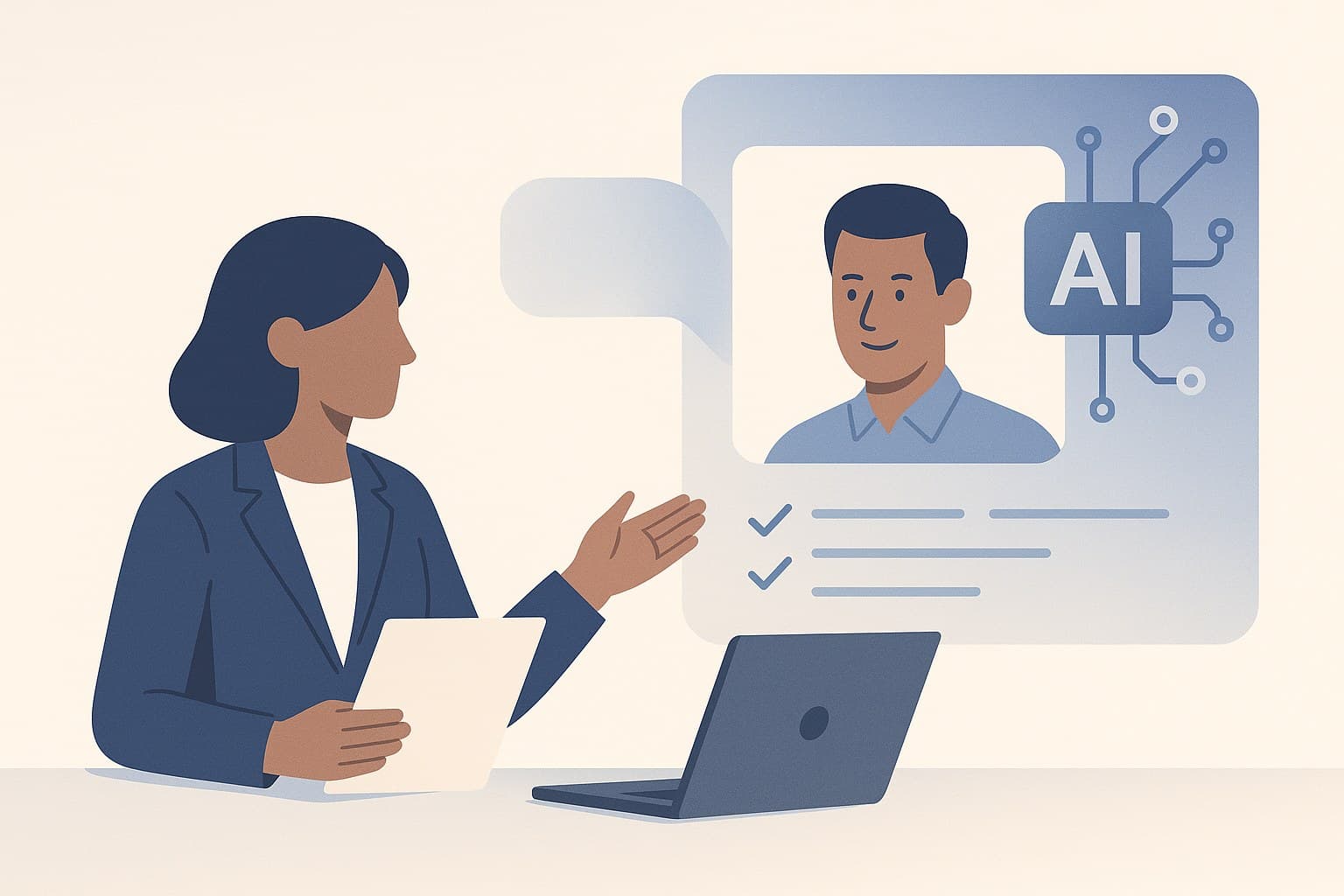
Mastering Group Assessments and Selection Interviews: Essential Tips
Navigating through group assessments and selection interviews can be a daunting task for job seekers, career changers, and recent graduates. These methods are increasingly popular in recruitment processes as they allow employers to evaluate candidates' skills in teamwork, communication, and problem-solving. Understanding these assessments' dynamics and preparing effectively can significantly enhance your chances of securing a job offer. This article delves into why these assessments matter, common challenges, core concepts, and actionable strategies to excel in them, providing anonymous examples to illustrate key points.
Why Group Assessments and Selection Interviews Matter
Group assessments and selection interviews have become crucial components in modern recruitment processes. Employers are not just looking for candidates with technical skills; they seek individuals who can thrive in collaborative environments. These assessments provide a platform to observe how candidates interact with others, handle pressure, and contribute to team outcomes.
For a hiring manager at a mid-size tech firm, group assessments reveal much about a candidate's interpersonal skills and leadership potential. In a world where remote work and cross-functional teams are prevalent, the ability to work well with others is invaluable. Candidates who excel in these settings demonstrate adaptability, empathy, and the ability to communicate effectively—traits that are indispensable in today’s workforce.
Understanding the importance of these assessments can motivate candidates to prepare adequately, transforming potential anxiety into an opportunity to showcase their strengths.
Common Challenges in Group Assessments
Despite their importance, group assessments pose several challenges for candidates. The competitive nature of these exercises can be intimidating, especially when everyone is vying to be noticed by assessors. One common mistake is adopting an overly dominant approach, which can alienate fellow participants and give assessors a negative impression.
Another challenge is balancing assertiveness with cooperation. Candidates often struggle with contributing their ideas while also encouraging others to share theirs. This balance is critical; too passive, and you may seem disengaged, but too aggressive, and you risk being perceived as overbearing.
Moreover, time management is a frequent issue. Group tasks are often time-bound, requiring participants to make quick decisions and prioritize effectively. A candidate who can navigate these challenges while maintaining composure and focus will likely stand out in the eyes of assessors.
Core Concepts of Effective Group Assessments
Understanding the core concepts behind group assessments can demystify the process and guide candidates in their preparations. At the heart of these assessments are collaboration, communication, and problem-solving. These concepts are not just buzzwords; they are the lenses through which assessors evaluate candidates.
Collaboration involves working effectively with others to achieve a common goal. This requires active listening, openness to feedback, and the ability to build on others' ideas. Communication in this context goes beyond speaking clearly; it includes non-verbal cues, such as body language and eye contact, which contribute to how your message is received.
Problem-solving is another critical concept. Assessors are interested in how candidates approach challenges, generate solutions, and implement them within the group. Demonstrating a structured approach to problem-solving—identifying the problem, considering various solutions, and evaluating their feasibility—can set you apart from other candidates.
Actionable Strategies for Success
Preparation is key to excelling in group assessments and selection interviews. Here are some actionable strategies to enhance your performance:
-
Research and Practice: Familiarize yourself with the company’s culture and the role you are applying for. Practice group exercises with friends or through online platforms to gain confidence.
-
Develop Self-Awareness: Understand your strengths and weaknesses in group settings. Are you naturally assertive or more reserved? Use this awareness to adjust your behavior during assessments.
-
Enhance Communication Skills: Practice clear and concise communication. Pay attention to your body language and work on active listening, ensuring you acknowledge others' contributions.
-
Focus on the Process: While achieving the task is important, assessors are equally interested in your process. Demonstrate how you approach tasks, engage others, and lead discussions.
-
Seek Feedback: After practice sessions, request feedback from peers or mentors to identify areas for improvement. Constructive criticism is invaluable for growth.
By implementing these strategies, candidates can approach assessments with a structured plan, increasing their chances of success.
Anonymous Scenarios and Common Pitfalls
Consider the scenario of a candidate participating in a group assessment at a large retail company. The task involved developing a marketing strategy for a new product. Initially, the candidate struggled with asserting ideas, fearing they might dominate the conversation. However, they adjusted by asking open-ended questions, encouraging quieter team members to contribute, and synthesizing group input into a coherent strategy. This approach demonstrated leadership and collaboration, leaving a positive impression on the assessors.
Common pitfalls include neglecting to listen actively, which can lead to misunderstandings and conflicts. Additionally, failing to manage time effectively can result in incomplete tasks, reflecting poorly on the group’s performance. Candidates should also be mindful of non-verbal communication, as negative body language can undermine verbal contributions.
Learning from these scenarios and pitfalls can help candidates refine their approach and avoid common mistakes.
Conclusion
Group assessments and selection interviews are integral to modern recruitment strategies. By understanding their importance, overcoming common challenges, and mastering core concepts, candidates can significantly enhance their chances of success. Preparation is crucial, and by adopting actionable strategies, individuals can confidently navigate these assessments. As you prepare for your next assessment, consider this: how can you leverage your unique strengths to contribute positively in a group setting and make a lasting impression?
Frequently Asked Questions
Key questions often raised by business leaders and HR teams:
What are group assessments?
Group assessments are evaluation methods used by employers to observe candidates' teamwork, communication, and problem-solving skills in a group setting.
How can I prepare for a selection interview?
To prepare for a selection interview, research the company, practice group exercises, and enhance your communication skills.
What common mistakes should I avoid during group assessments?
Avoid being overly dominant or passive, neglecting active listening, and failing to manage your time effectively.
Why are communication skills important in group assessments?
Effective communication skills help you convey your ideas clearly, engage with others, and contribute positively to group dynamics.
What strategies can help me succeed in group assessments?
Focus on collaboration, practice self-awareness, enhance your communication skills, and seek feedback to improve your performance.