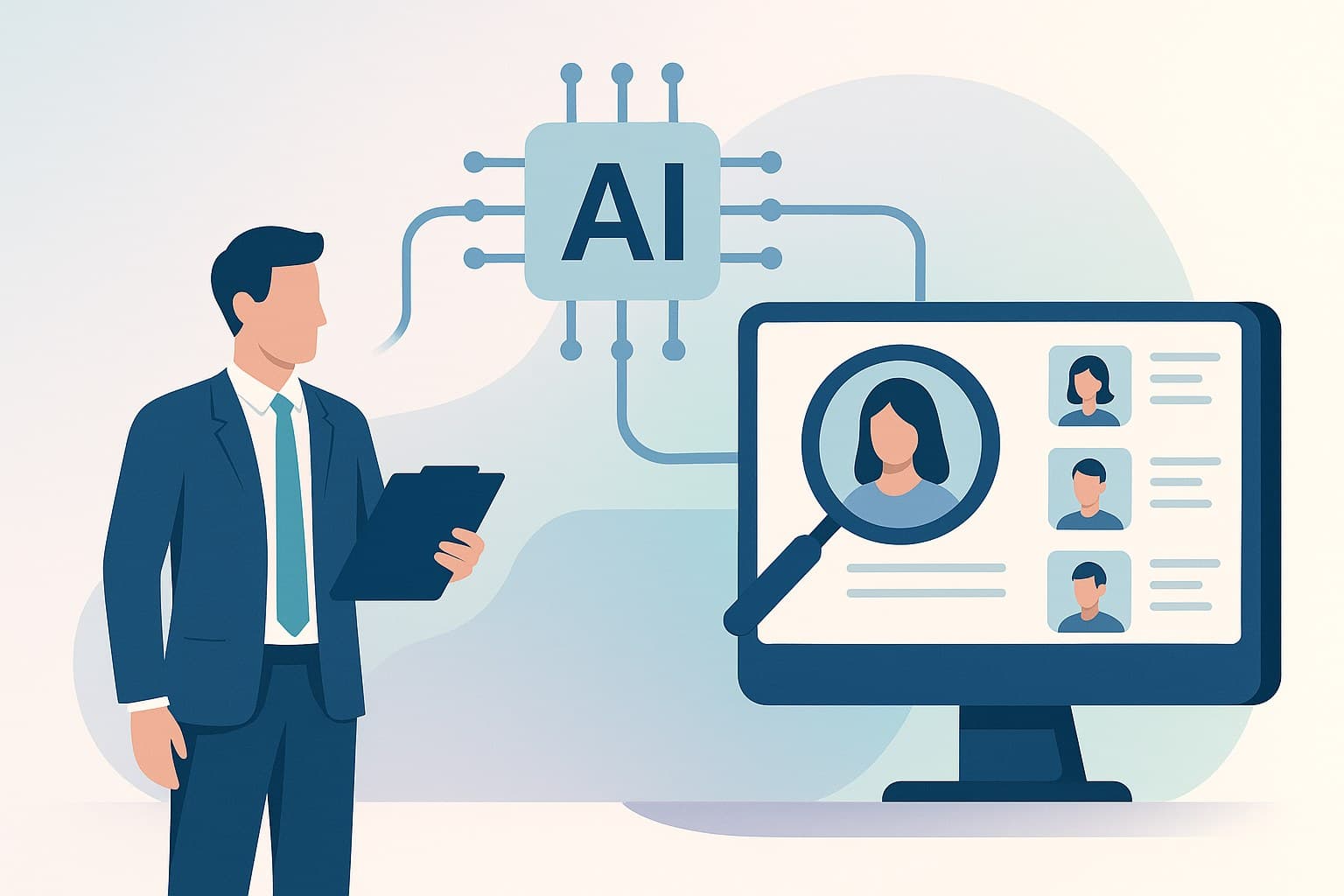
Understanding the HR Role in Interviews: Key Insights for Job Seekers
In the competitive landscape of job hunting, understanding the HR role in interviews can be the edge you need to stand out. HR professionals are not just gatekeepers; they are strategic partners in the hiring process. Knowing how they operate can help you tailor your approach and increase your chances of landing the job.
Why Understanding the HR Role is Crucial
Recognizing the significance of the HR role in interviews is vital for any job seeker. HR professionals are often the first point of contact and play a pivotal role in shaping a candidate's journey through the recruitment process. They are responsible for assessing whether candidates fit the company's culture and have the potential to contribute positively to the organization.
Failing to acknowledge the importance of HR can lead to missed opportunities. Many candidates focus solely on impressing the hiring manager, overlooking the fact that HR's input can be decisive in the final hiring decision. By understanding their perspective, you can present yourself more effectively and align your qualifications with the company's needs.
Moreover, HR professionals are trained to evaluate both technical skills and soft skills. They look for candidates who not only have the required expertise but also demonstrate adaptability, communication skills, and cultural fit. This comprehensive evaluation ensures that the candidate is well-rounded and capable of thriving within the company.
Common Misconceptions About HR in Interviews
A prevalent misconception is that HR's involvement in interviews is purely administrative. This misunderstanding can lead candidates to underestimate the depth of HR's insights and the value of their feedback in the hiring process. In reality, HR professionals are skilled in assessing a candidate's potential impact on the team and organization.
Another frequent misconception is that HR interviews are mere formalities. Candidates might assume that once they reach the HR round, they are guaranteed the job. However, HR interviews are critical in the selection process, serving as an opportunity to evaluate a candidate's alignment with the company's values and long-term goals.
Candidates also often overlook the strategic role HR plays in talent acquisition. HR professionals are not just screening resumes; they are actively involved in designing recruitment strategies that attract top talent. Understanding this can help candidates appreciate the broader context of their interviews.
The Core Responsibilities of HR in Interviews
HR's responsibilities in interviews extend beyond initial screenings. They are involved in creating job descriptions that attract suitable candidates, conducting preliminary interviews, coordinating with hiring managers, and facilitating the entire recruitment process.
HR professionals also play a key role in ensuring that the interview process is consistent and fair. They develop standardized interview questions to objectively assess candidates and provide training to ensure interviewers are equipped to evaluate candidates effectively. This standardization helps mitigate biases and ensures that all candidates are given equal opportunities.
In addition to evaluating candidates, HR is responsible for maintaining a positive candidate experience. They communicate with candidates throughout the process, providing updates and feedback, which can significantly impact a candidate's perception of the company.
How to Prepare for the HR Interview
Preparation is key to succeeding in HR interviews. Start by researching the company thoroughly to understand its culture, values, and goals. This knowledge will help you tailor your responses to demonstrate your alignment with the organization.
Prepare to discuss your experiences and skills in a way that highlights both your technical abilities and soft skills. HR professionals are interested in how you handle workplace challenges, collaborate with others, and contribute to a positive work environment. Craft stories from your past experiences that showcase these qualities.
Practice common HR interview questions, such as "Tell me about yourself," "Why do you want to work here?" and "Describe a challenging situation you faced at work." These questions are designed to assess your fit for the company and your ability to communicate effectively.
Navigating the HR Interview: Tips and Strategies
During the HR interview, it's important to communicate clearly and confidently. Listen carefully to the questions and respond with thoughtful answers. Avoid memorized responses; instead, focus on being genuine and authentic.
Show enthusiasm for the position and the company. HR professionals appreciate candidates who demonstrate a genuine interest in the role and the organization. Ask insightful questions about the company culture, team dynamics, and growth opportunities, which shows that you are considering the long-term fit.
Be mindful of your non-verbal communication. Maintain eye contact, offer a firm handshake, and present a positive demeanor. These non-verbal cues can significantly influence HR's perception of you as a candidate.
Common Pitfalls and How to Avoid Them
One common pitfall in HR interviews is failing to prepare sufficiently. Candidates who do not research the company or rehearse their responses may come across as disinterested or unprepared. Avoid this by dedicating time to understanding the company and practicing your interview skills.
Another mistake is overestimating or underestimating the role of HR. Some candidates may focus too much on impressing HR and neglect the technical aspects of their candidacy, while others might dismiss HR's influence altogether. Balance is key; demonstrate your qualifications while respecting HR's role in the process.
Finally, failing to follow up after an interview can be detrimental. Sending a thank-you email to express gratitude for the opportunity and reiterate your interest in the position can leave a positive impression and remind HR of your candidacy.
Conclusion
Understanding the HR role in interviews is crucial for any job seeker aiming to succeed in today's competitive job market. By recognizing HR's strategic importance, preparing effectively, and avoiding common pitfalls, you can enhance your interview performance and improve your chances of securing a job offer. As you prepare for your next interview, consider how you can align your skills and experiences with the company's needs and demonstrate your potential to contribute positively to the organization. What steps will you take today to better prepare for your upcoming interview?
Frequently Asked Questions
Key questions often raised by business leaders and HR teams:
What is the role of HR in interviews?
HR professionals assess candidates' fit with company culture and evaluate both technical and soft skills during interviews.
How can I prepare for an HR interview?
Research the company, practice common interview questions, and be ready to discuss both your technical abilities and soft skills.
What should I avoid during an HR interview?
Avoid being unprepared, overestimating or underestimating HR's role, and failing to follow up after the interview.