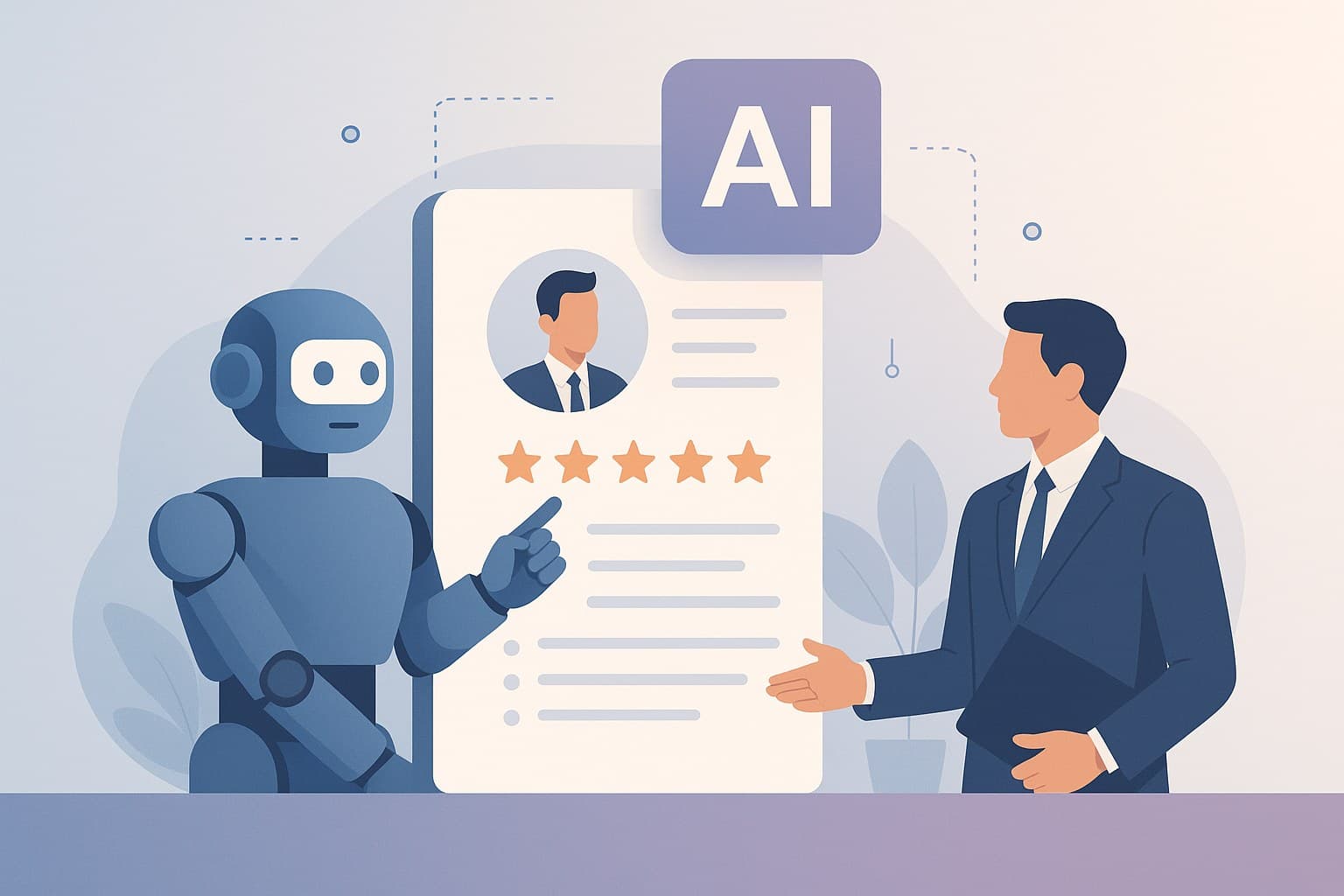
Effective HR Screening Questions Best Practices
In the competitive landscape of recruitment, effective HR screening questions are vital in identifying the right candidates. The right questions can streamline the hiring process, save time, and reduce turnover by ensuring candidates are a good fit for the role and company culture. In this article, we will explore best practices for crafting these questions, ensuring they align with your organization's goals and values while also being legally compliant.
Importance of HR Screening Questions
The importance of HR screening questions cannot be overstated. They serve as the first line of defense in the recruitment process, filtering out unqualified candidates early. This not only saves time but also ensures that the candidates who proceed further in the hiring process are more likely to succeed.
Screening questions help assess a candidate’s technical skills, cultural fit, and potential for growth within the company. For instance, a hiring manager at a mid-size tech firm might use screening questions to evaluate a candidate’s problem-solving skills or familiarity with specific programming languages. By doing so, the company ensures that only those with the necessary competencies make it to the interview stage.
Moreover, well-crafted screening questions can reduce bias in the recruitment process. By standardizing the questions asked to all candidates, hiring managers can make more objective decisions based on consistent criteria, rather than subjective impressions. This is particularly important in maintaining diversity and inclusivity within the workplace.
Common Mistakes in HR Screening Questions
Despite their importance, many organizations make mistakes with HR screening questions. One common mistake is asking overly complex or vague questions that do not directly relate to the job requirements. This can lead to confusion and may discourage potentially excellent candidates from proceeding.
Another mistake is failing to update screening questions regularly. Industries evolve, and so do the skills required for certain roles. A set of questions that worked well a few years ago may no longer be relevant today. For example, a company still asking about outdated software proficiency might miss out on candidates skilled in newer, more relevant technologies.
Additionally, some screening questions can inadvertently lead to discrimination, such as those that probe into personal life matters that are irrelevant to job performance. This not only risks legal repercussions but also damages the company’s reputation.
To avoid these pitfalls, it is essential to regularly review and revise screening questions, ensuring they remain relevant, objective, and free from bias.
Crafting the Right Screening Questions
Crafting the right screening questions requires a strategic approach. Begin by clearly defining the skills and attributes essential for the role. This involves consulting with team members and stakeholders to understand what competencies are truly necessary.
For example, if you are hiring for a customer service role, focus on questions that assess communication skills, problem-solving abilities, and empathy. A question like, "Can you describe a time when you turned a dissatisfied customer into a happy one?" can reveal a candidate’s real-world experience and approach to customer service.
It’s also beneficial to incorporate scenario-based questions that reflect the challenges candidates might face in the role. These questions not only test a candidate’s skills but also give insight into their thought processes and adaptability.
Furthermore, ensure that questions are open-ended, encouraging candidates to elaborate on their responses. This provides a deeper understanding of their experiences and competencies. For instance, instead of asking, "Are you familiar with Excel?" consider asking, "Can you describe a project where you utilized Excel to achieve significant results?"
Legal and Ethical Considerations
When designing HR screening questions, it is crucial to consider legal and ethical guidelines. Questions must comply with employment laws, avoiding any form of discrimination based on race, gender, age, religion, or disability.
For instance, questions about a candidate’s marital status, age, or plans to start a family are not only irrelevant but can also lead to legal issues. Instead, focus on questions that are directly related to job performance and qualifications.
It’s also important to be transparent with candidates about how their information will be used and to obtain consent for any data collection. This builds trust and ensures that the recruitment process is both fair and respectful.
Regular training for HR personnel on legal and ethical standards can help maintain compliance and protect the organization from potential legal challenges.
Evaluating and Refining Screening Questions
Evaluating the effectiveness of your HR screening questions is an ongoing process. After implementing a set of questions, gather feedback from hiring managers and candidates to identify areas for improvement.
Analyze the outcomes of your screening process to determine which questions successfully predicted job performance and which did not. This analysis can guide you in refining your questions, ensuring they remain aligned with the competencies and qualities that truly matter to your organization.
For example, if candidates who scored well on a specific question consistently perform well in their roles, this indicates that the question is effective. Conversely, if there is no correlation between answers to a particular question and job performance, it may be time to revise or replace it.
Engage in continuous improvement by staying informed about industry trends and emerging best practices in recruitment. This proactive approach ensures that your screening process remains competitive and effective.
Anonymous Scenarios and Common Pitfalls
Consider the experience of a hiring manager at a growing e-commerce company. Initially, she included a question about a candidate’s experience with brick-and-mortar retail, assuming it would translate well online. However, she soon realized that the skills required for e-commerce were significantly different, leading to a high turnover rate.
To address this, she revised her screening questions to focus specifically on digital marketing skills and online customer engagement strategies. This adjustment led to better candidate matches and reduced turnover.
Common pitfalls in HR screening questions often involve assumptions about candidate backgrounds or relying too heavily on industry jargon. Avoid these by clearly defining the qualities and skills you are looking for, and ensuring that your questions are accessible to all candidates, regardless of their previous industry experience.
Conclusion
Effective HR screening questions are a cornerstone of a successful recruitment process. By focusing on relevance, clarity, and compliance, you can enhance your hiring outcomes and ensure that you are selecting the best candidates for your organization.
Remember to regularly evaluate and refine your questions, staying informed about industry trends and legal requirements. By doing so, you not only improve your recruitment process but also contribute to building a diverse, skilled, and satisfied workforce.
To what extent do your current screening questions align with the best practices discussed here? Consider reviewing your questions today to optimize your hiring process.
Frequently Asked Questions
Key questions often raised by business leaders and HR teams:
What are HR screening questions?
HR screening questions are inquiries designed to assess a candidate's qualifications and fit for a role during the recruitment process.
Why are effective screening questions important?
Effective screening questions help filter out unqualified candidates early, saving time and ensuring a better fit for the company culture.
How can I ensure my screening questions are legally compliant?
To ensure legal compliance, avoid questions that pertain to personal matters unrelated to job performance and focus on qualifications and skills.
What common mistakes should I avoid when crafting screening questions?
Avoid overly complex or vague questions, failing to update questions regularly, and including discriminatory inquiries.
How can I evaluate the effectiveness of my screening questions?
Gather feedback from hiring managers and analyze the correlation between candidate responses and job performance to refine your questions.