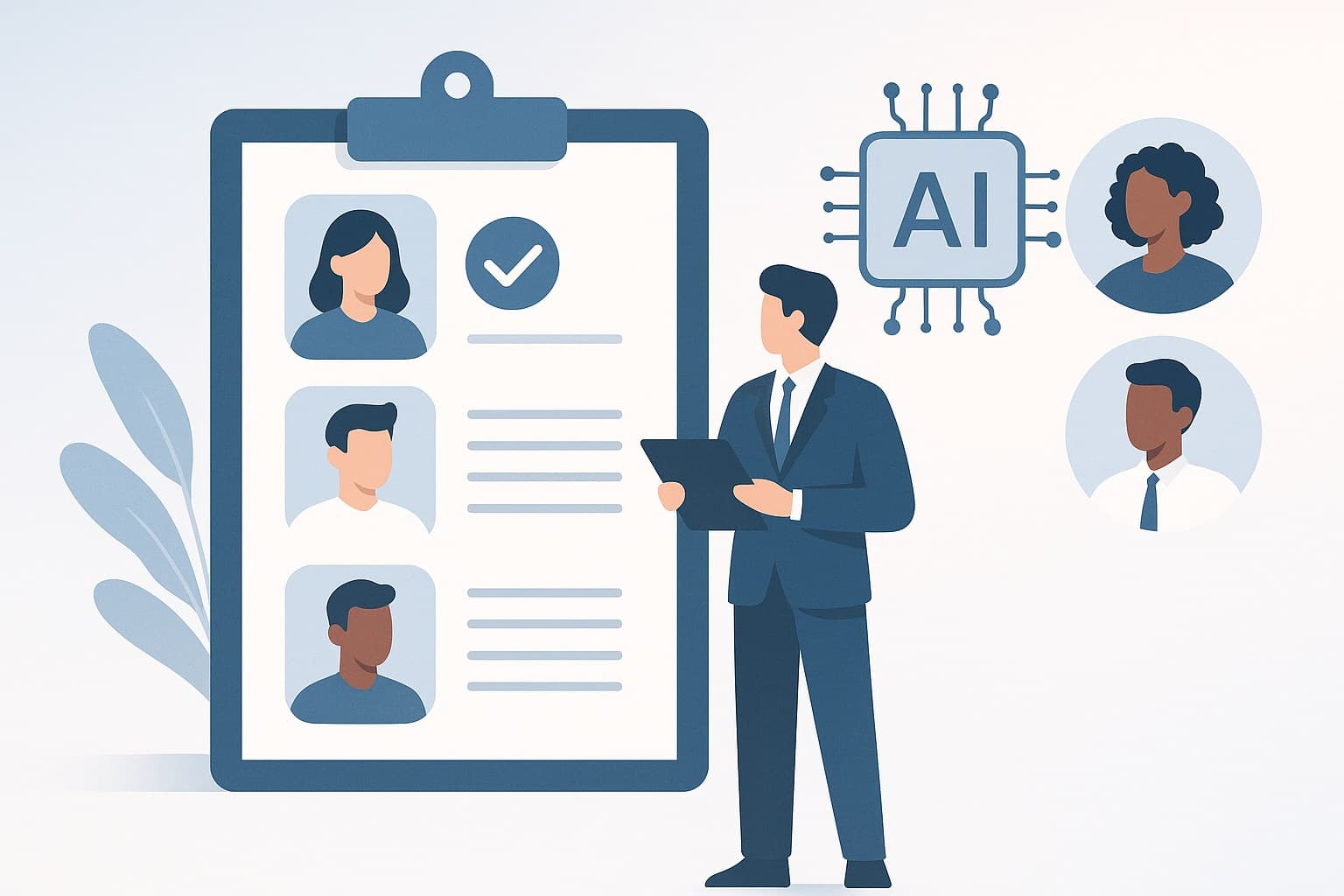
Essential Interview Questions for Recent Graduates to Master
Graduating from college is a thrilling achievement, but stepping into the professional world can be daunting. As a recent graduate, you might face interviews that can make or break your career path. Understanding the most common interview questions and preparing effective answers is crucial for standing out in a competitive job market. This comprehensive guide will explore essential interview questions for recent graduates, providing actionable insights and strategies to help you succeed.
Why Interview Questions Matter
Interviews are a critical step in the job application process, serving as a platform for employers to evaluate your skills, personality, and fit within their organization. For recent graduates, interviews are particularly significant because they often have limited professional experience to showcase. This means interviewers rely heavily on your responses to gauge your potential contributions to their team.
Understanding why interview questions matter can help you approach your preparation strategically. Employers use these questions to assess your problem-solving abilities, communication skills, and cultural fit. Additionally, interviews provide you with an opportunity to demonstrate your enthusiasm and readiness to transition from academia to a professional environment. Preparing well for common interview questions can increase your confidence and improve your chances of securing your desired position.
Common Interview Questions for Recent Graduates
-
Tell Me About Yourself.
This question is often used as an icebreaker, allowing you to set the tone for the interview. Focus on providing a concise summary of your educational background, relevant skills, and any experiences that align with the job. Avoid reciting your resume verbatim; instead, highlight your achievements and how they relate to the role. -
What Are Your Strengths and Weaknesses?
When discussing strengths, choose qualities that are directly applicable to the job. For weaknesses, demonstrate self-awareness by acknowledging areas for improvement and explaining steps you're taking to address them. This shows maturity and a willingness to grow. -
Why Should We Hire You?
This question is your chance to sell yourself. Highlight your unique qualities, relevant skills, and any specific experiences that make you the best fit for the role. Use concrete examples to back up your claims and demonstrate how you can add value to the company. -
Describe a Challenge You’ve Overcome.
Employers ask this to assess your problem-solving and resilience. Choose a situation where you faced a significant obstacle, describe the actions you took, and outline the positive outcome. Emphasize the skills you utilized and how this experience has prepared you for future challenges. -
Where Do You See Yourself in Five Years?
This question helps employers understand your career aspirations and whether they align with the company’s goals. Be honest but strategic in your response. Demonstrate ambition and a desire for growth, but also ensure your goals are realistic and relevant to the industry.
Preparing for Behavioral Interview Questions
Behavioral interview questions require you to reflect on past experiences to predict future behavior. These questions often start with phrases like "Tell me about a time when…" or "Give an example of…" Preparing for these questions involves using the STAR method (Situation, Task, Action, Result) to structure your responses clearly and effectively.
- Situation: Describe the context within which you performed a task or faced a challenge.
- Task: Explain the actual task or challenge involved.
- Action: Detail the specific actions you took to address the task or challenge.
- Result: Share the outcomes of your actions, emphasizing what you learned or achieved.
By practicing this method, you can provide well-organized and impactful answers that highlight your competencies.
Questions You Should Ask the Interviewer
An often overlooked aspect of interview preparation is preparing questions to ask the interviewer. This not only demonstrates your interest in the role but also helps you determine if the company is the right fit for you. Consider asking questions about:
- Company Culture: Inquire about the work environment and team dynamics.
- Growth Opportunities: Ask about opportunities for professional development and career progression.
- Challenges and Expectations: Understand the challenges the team is currently facing and what is expected from the new hire.
- Success Metrics: Clarify how success is measured in the role and within the company.
By engaging in this dialogue, you show that you are proactive and genuinely interested in understanding how you can contribute to the organization.
Overcoming Interview Anxiety
Feeling nervous before an interview is normal, especially for recent graduates. However, managing this anxiety is crucial to performing well. Here are some strategies to help you stay calm and focused:
- Practice: Conduct mock interviews with friends or mentors to build confidence and receive feedback.
- Research: Familiarize yourself with the company, its culture, and the industry to feel more prepared.
- Mindfulness Techniques: Use breathing exercises or meditation to calm your nerves before and during the interview.
- Positive Visualization: Imagine yourself succeeding in the interview to build a positive mindset.
By implementing these strategies, you can transform anxiety into positive energy that enhances your performance.
Conclusion
Navigating interviews as a recent graduate can be challenging, but with thorough preparation and a strategic approach, you can excel. By understanding common interview questions and formulating thoughtful responses, you position yourself as a compelling candidate. Remember to practice your answers, engage in self-reflection, and maintain a positive attitude. As you prepare for your interviews, consider what makes you a unique and valuable addition to a company. What steps will you take today to ensure your success in your next interview?
Frequently Asked Questions
Key questions often raised by business leaders and HR teams:
What are common interview questions for recent graduates?
Common questions include 'Tell me about yourself', 'What are your strengths and weaknesses?', and 'Why should we hire you?'.
How can I prepare for behavioral interview questions?
Use the STAR method to structure your responses. Focus on the Situation, Task, Action, and Result of your past experiences.
What should I ask the interviewer?
Consider asking about company culture, growth opportunities, and the challenges the team is currently facing.
How can I overcome interview anxiety?
Practice mock interviews, research the company, and use mindfulness techniques to calm your nerves.