Essential Interview Tips for New Graduates
Entering the job market as a new graduate can be both exciting and daunting. The transition from academia to a professional environment often requires a different set of skills and a new mindset. Mastering the art of the interview is critical for securing your first job. This article will provide practical interview tips for new graduates, helping you prepare effectively and increase your chances of success.
Understanding the Importance of Interviews
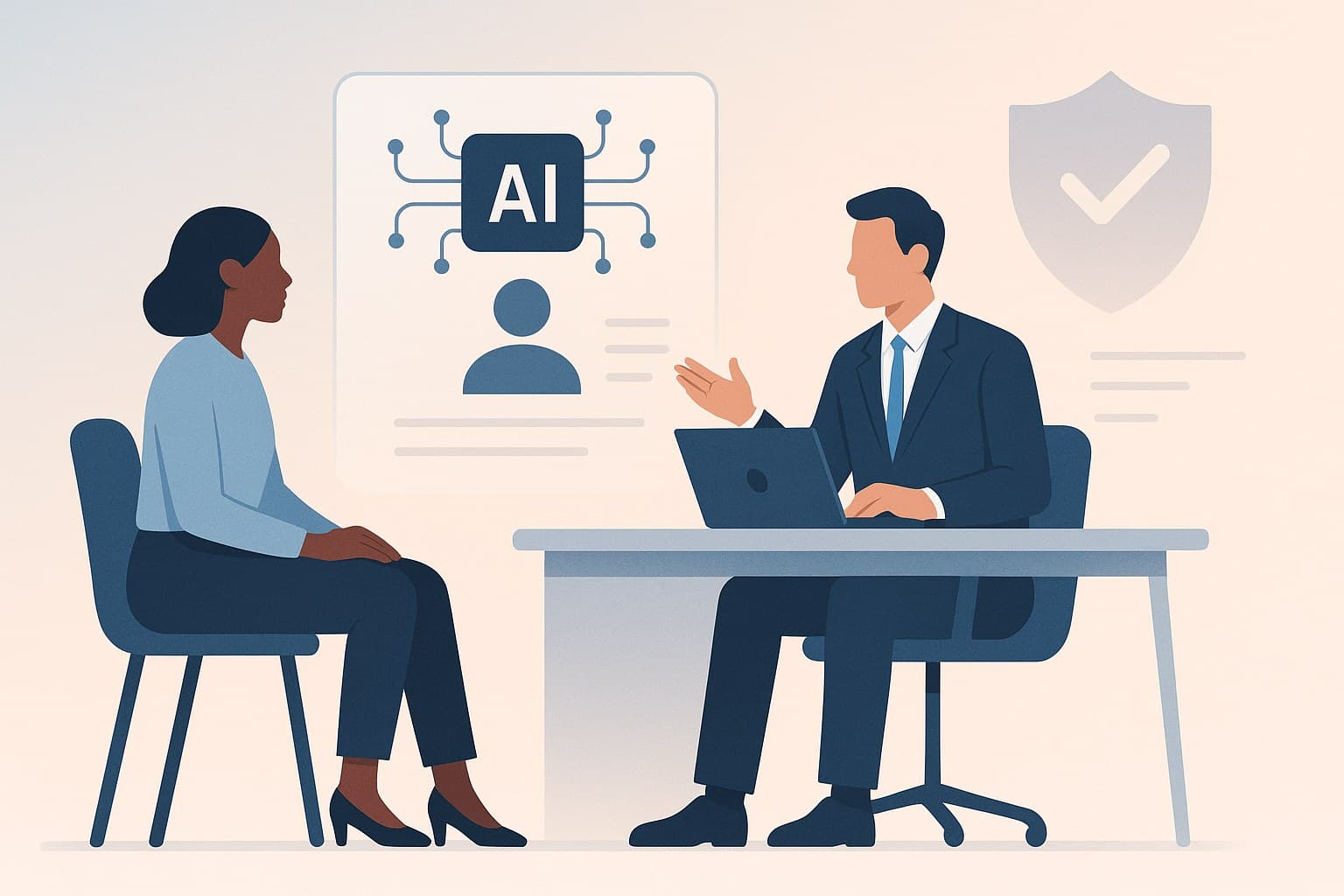
Interviews are more than just a step in the hiring process; they are a critical opportunity for candidates to showcase their skills, personality, and potential to prospective employers. For new graduates, interviews represent a chance to bridge the gap between academic achievements and real-world applications. Understanding the significance of this process is the first step in preparing effectively.
The interview is your opportunity to make a strong first impression. It's your chance to show that you are not only qualified on paper but also a great fit for the company culture. Employers use interviews to assess your communication skills, problem-solving abilities, and how well you might integrate into their team. Therefore, taking the time to prepare can make a significant difference in how you are perceived.
Common Interview Pitfalls for New Graduates
New graduates often encounter several common pitfalls during interviews. Recognizing these can help you avoid them and present yourself in the best possible light. One frequent issue is overemphasizing academic achievements without relating them to job-relevant skills. While your degree is important, employers are keen to see how you can apply what you've learned in practical settings.
Another pitfall is inadequate preparation. Many graduates underestimate the importance of researching the company and understanding the role they are applying for. This lack of preparation can lead to vague responses and missed opportunities to demonstrate your interest and suitability for the position. Nervousness is another common hurdle, often exacerbated by a lack of practice or unfamiliarity with the interview process.
Preparing for the Interview
Preparation is key to a successful interview. Start by researching the company thoroughly. Understand its mission, values, and recent developments. This knowledge will allow you to tailor your answers to align with the company’s objectives and demonstrate genuine interest. Additionally, familiarize yourself with the job description and be ready to discuss how your skills and experiences make you a strong candidate for the role.
Practice common interview questions with a friend or mentor. This can help you articulate your thoughts more clearly and reduce anxiety. Prepare a list of questions to ask the interviewer, showing your interest in the role and the company. Consider questions about the company culture, potential career paths, or challenges the company faces. These queries can also help you determine if the company is the right fit for you.
Communicating Effectively During the Interview
Effective communication is essential during an interview. It’s not just about what you say, but how you say it. Start by listening carefully to the interviewer’s questions, ensuring you understand them before responding. Take a moment to gather your thoughts, and then answer clearly and concisely, providing relevant examples where possible.
Body language also plays a crucial role in communication. Maintain good eye contact, sit up straight, and use a firm handshake. These non-verbal cues can convey confidence and professionalism. Practice your tone and pace of speech to ensure you are easily understood and appear enthusiastic about the opportunity.
Demonstrating Problem-Solving Skills
Employers value candidates who can demonstrate strong problem-solving skills. As a new graduate, you may not have extensive work experience, but you can draw on academic projects, internships, or extracurricular activities to showcase your abilities. When discussing these examples, use the STAR method (Situation, Task, Action, Result) to structure your responses clearly.
For instance, explain a situation where you faced a challenge, describe the task you needed to complete, outline the actions you took to address the issue, and conclude with the results of your efforts. This approach helps interviewers see your thought process and the impact of your problem-solving skills.
Handling Difficult Interview Questions
Difficult interview questions can catch even the most prepared candidates off guard. Common challenging questions include those about weaknesses, gaps in your resume, or your reasons for leaving a previous position. Prepare for these by framing your answers positively. For example, when asked about a weakness, choose something you have actively worked on improving and explain the steps you have taken to address it.
If confronted with a question about a gap in your resume, be honest and focus on how you used that time to develop new skills or gain experiences that make you a stronger candidate. Always steer your answers back to how you can contribute to the prospective employer and the specific role you’re applying for.
Conclusion
Navigating the interview process as a new graduate can be challenging, but with the right preparation and mindset, you can present yourself as a competent and confident candidate. Remember to focus on your strengths, relate your academic experiences to real-world applications, and communicate effectively. With these interview tips for new graduates, you can increase your chances of landing your first job and starting your career on a strong footing. What strategies will you implement in your next interview to stand out from the competition?
Frequently Asked Questions
Key questions often raised by business leaders and HR teams:
What should new graduates focus on during interviews?
New graduates should focus on demonstrating their skills, understanding the company culture, and relating their academic experiences to the job role.
How can I prepare for common interview questions?
Practice answering common interview questions with a friend or mentor, and use the STAR method to structure your responses.
What is the STAR method?
The STAR method stands for Situation, Task, Action, Result. It's a structured way to answer behavioral interview questions by outlining specific examples.
How can I handle difficult interview questions?
When faced with difficult questions, frame your answers positively and relate them back to how you can contribute to the employer.