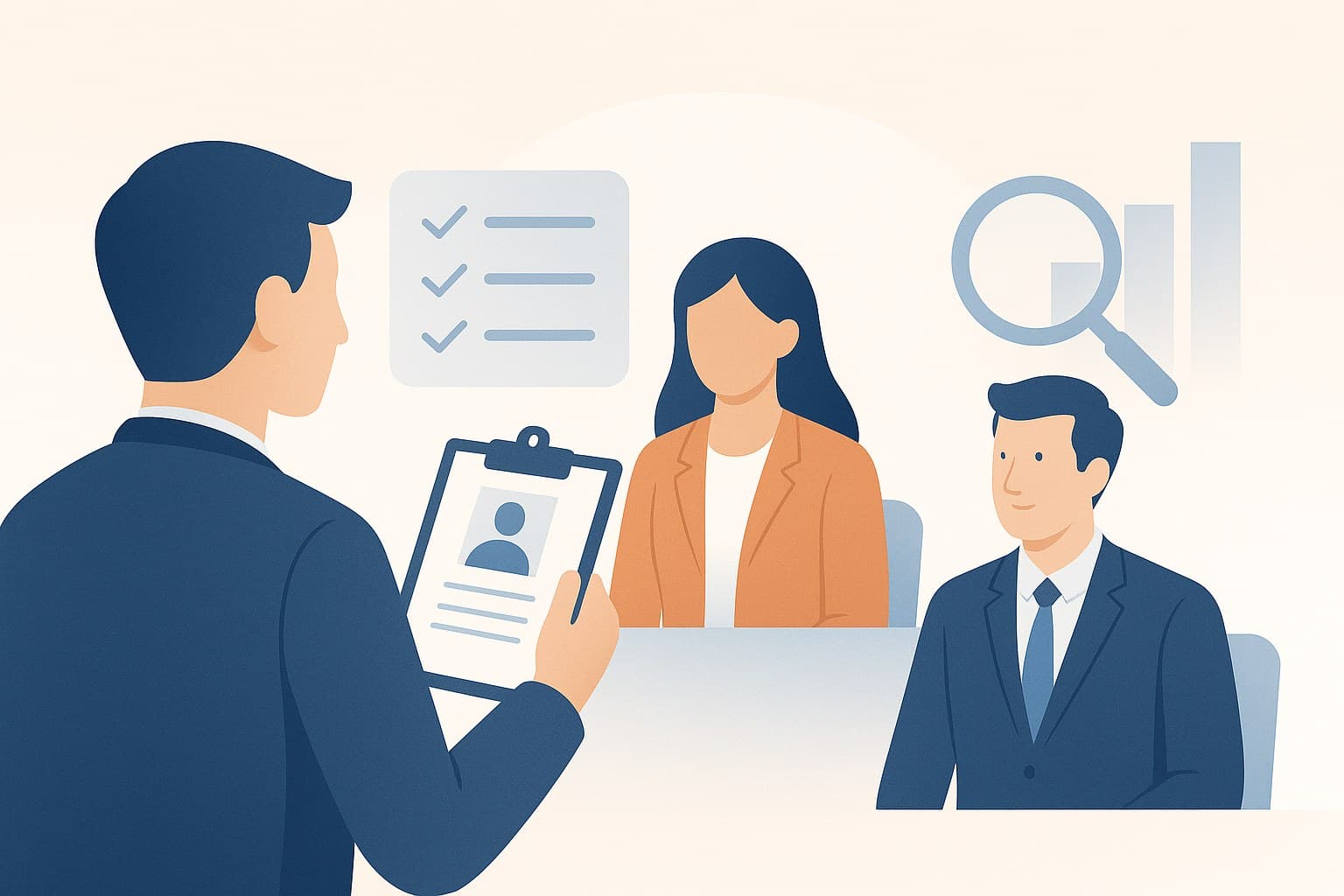
Mastering Your Job Interview: A Comprehensive Checklist
Walking into a job interview unprepared can be daunting, but having a thorough job interview checklist at your disposal can transform anxiety into confidence. Whether you're a recent graduate or considering a career change, understanding what to expect and how to prepare can make all the difference. This article provides an extensive checklist to guide job seekers through the interview process, ensuring you're well-equipped to make a lasting impression.
Understanding the Importance of Interview Preparation
The significance of preparing for a job interview cannot be overstated. With the competitive nature of today's job market, standing out from other candidates is crucial. A well-prepared candidate not only demonstrates their interest in the position but also their ability to perform under pressure. Employers are looking for individuals who can articulate their skills and fit seamlessly into their organization.
Preparation involves more than just researching the company. It includes understanding the role, anticipating potential questions, and preparing your own questions for the interviewer. These steps help to build a narrative that aligns your experiences with the job requirements, making you a more compelling candidate.
Common Interview Pitfalls and How to Avoid Them
Many candidates face similar pitfalls during interviews, often due to lack of preparation or overconfidence. One common error is failing to articulate your experiences in a way that highlights your skills and achievements. Instead of simply listing responsibilities from previous jobs, focus on specific accomplishments and the impact they had.
Another frequent mistake is not researching the company thoroughly. This includes not only understanding their products or services but also their culture, values, and recent news. This knowledge allows you to tailor your responses to reflect the company's ethos, showing that you are a good cultural fit.
Additionally, failing to prepare questions for the interviewer can indicate a lack of interest. Thoughtful questions demonstrate your engagement and curiosity about the role and the company. Avoid questions that can be easily answered through a quick web search; instead, focus on more insightful inquiries about the team, challenges, and growth opportunities.
Essential Components of the Job Interview Checklist
Creating a job interview checklist involves several key components that ensure comprehensive preparation:
-
Research the Company: Understand their mission, values, products, and recent developments. This knowledge allows you to tailor your answers and demonstrate genuine interest.
-
Understand the Role: Review the job description thoroughly. Identify the skills and experiences required and reflect on how your background aligns with these needs.
-
Prepare Your Answers: Anticipate common interview questions and prepare concise, impactful responses. Utilize the STAR method (Situation, Task, Action, Result) to structure your answers, focusing on your achievements and learnings.
-
Develop Questions for the Interviewer: Prepare meaningful questions that reflect your interest in the role and the organization. Consider asking about team dynamics, company culture, or future projects.
-
Plan Your Attire: Dress appropriately for the industry and company culture. When in doubt, err on the side of formality to convey professionalism.
-
Logistics Preparation: Know the interview format (e.g., in-person, virtual) and test your equipment if applicable. Plan your route to the location or ensure your internet connection is stable.
The Role of Body Language and Non-Verbal Cues
Body language is a critical component of effective communication during an interview. Non-verbal cues, such as eye contact, posture, and gestures, can reinforce your verbal responses and convey confidence. A firm handshake, when appropriate, sets a positive tone at the beginning of the interview.
Maintaining eye contact shows engagement and honesty, while a relaxed yet attentive posture communicates confidence and openness. Be mindful of your gestures; they should be natural and supportive of your verbal communication, not distracting.
Adapting your body language to the interviewer's style can also create rapport. If they are more formal, mirror their demeanor to show respect and professionalism. Conversely, if they are more casual, a slightly relaxed approach can foster a connection.
Practicing Mock Interviews for Success
Practicing with mock interviews is an effective way to refine your responses, reduce anxiety, and build confidence. This simulation provides an opportunity to receive feedback on your answers, body language, and overall presentation.
Consider practicing with a friend, mentor, or career coach who can offer constructive criticism. Focus on areas such as clarity of expression, relevance of examples, and pacing of your responses.
Recording your mock interviews can also be beneficial. Reviewing the footage allows you to observe your body language and identify areas for improvement that you might not notice otherwise.
Common Interview Scenarios and How to Handle Them
Understanding how to navigate different interview scenarios can enhance your preparedness. For instance, behavioral interviews focus on past experiences to predict future performance. Using the STAR method can help structure your responses in these situations.
In case of technical interviews, prepare by reviewing fundamental concepts and practicing problem-solving under time constraints. Utilize online resources or join study groups to enhance your technical proficiency.
Panel interviews, where multiple interviewers assess a candidate, require addressing each individual with eye contact and engaging with their specific questions. This approach demonstrates your ability to communicate effectively with diverse groups.
Conclusion
A comprehensive job interview checklist is a powerful tool for any job seeker. By systematically preparing across various aspects of the interview process, you can enhance your confidence and increase your chances of success. Remember to conduct thorough research, practice your responses, and refine your non-verbal communication. As you prepare for your next interview, consider what additional steps you can take to make yourself the standout candidate. Are there unique skills or experiences you can highlight to set yourself apart? Embrace the process and use each interview as an opportunity to learn and grow.
Frequently Asked Questions
Key questions often raised by business leaders and HR teams:
What should I include in my job interview checklist?
Your checklist should include company research, understanding the role, preparing answers to common questions, and planning your attire.
How can I avoid common interview pitfalls?
Avoid common pitfalls by thoroughly preparing, articulating your experiences clearly, and asking insightful questions.
Why is body language important in an interview?
Body language conveys confidence and engagement, helping to reinforce your verbal responses during the interview.
How can mock interviews help me prepare?
Mock interviews allow you to practice your responses, receive feedback, and improve your body language and overall presentation.
What is the STAR method?
The STAR method is a structured approach to answering behavioral interview questions, focusing on Situation, Task, Action, and Result.