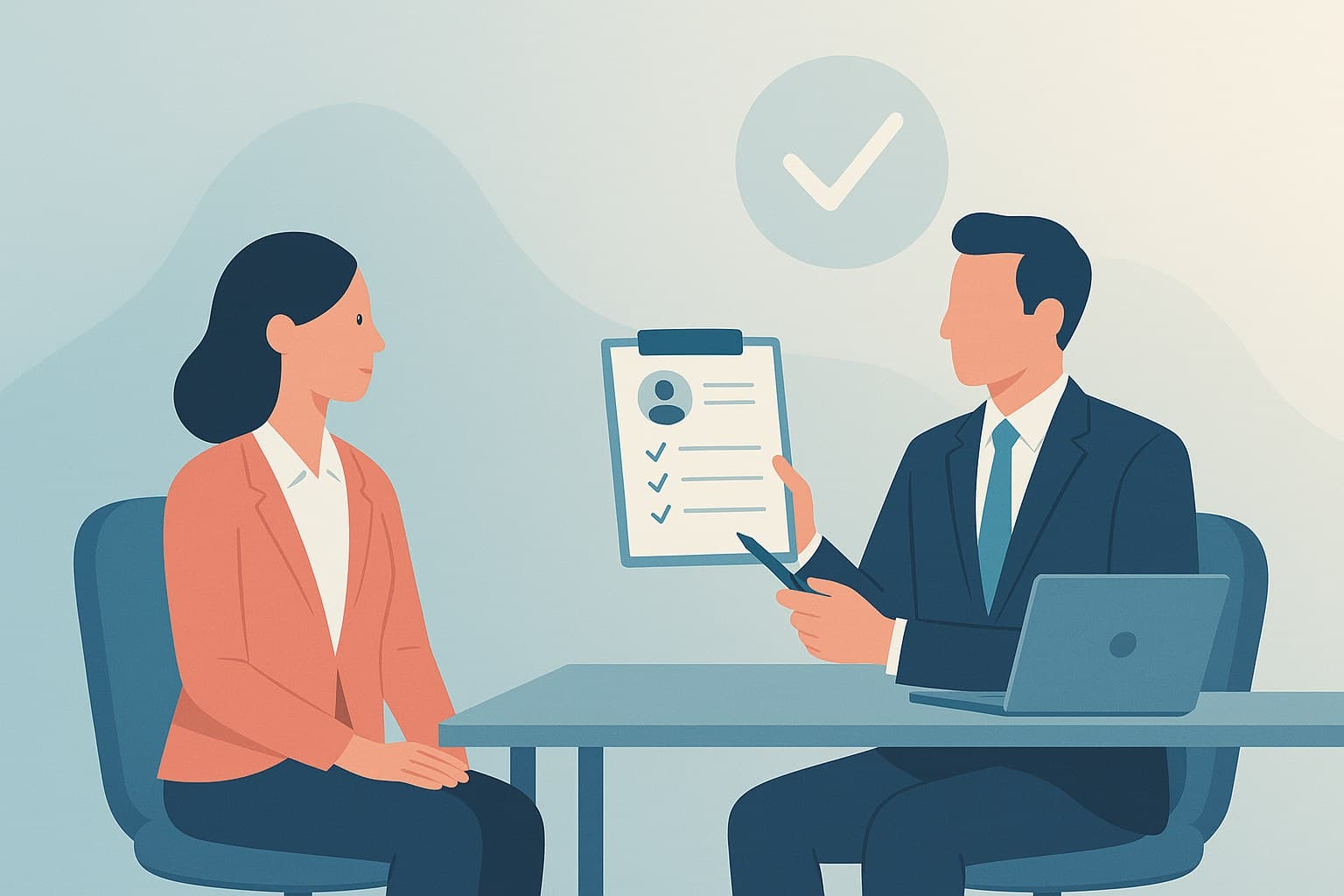
Mastering Panel Interviews: A Comprehensive Guide for Job Seekers
Navigating the job market can be a daunting task, especially when faced with the challenge of a panel interview. Imagine walking into a room with multiple interviewers, each with their own set of questions and perspectives. The pressure can be overwhelming, but fear not—this comprehensive guide will equip you with the knowledge and strategies to ace your next panel interview.
Understanding the Importance of Panel Interviews
Panel interviews are a common stage in the hiring process, especially for roles requiring cross-functional collaboration. They offer employers a holistic view of a candidate's capabilities by involving interviewers from different departments. This format allows companies to assess a candidate's fit within the team and organization from multiple angles.
For job seekers, understanding why panel interviews are important can help you better prepare. It's not just about impressing one person; it's about convincing a group of people with diverse priorities and concerns that you are the right fit. Recognizing the significance of each panel member's role can guide you in tailoring your responses to address their specific interests.
Common Challenges and Misconceptions
One prevalent misconception about panel interviews is that they are inherently more difficult than one-on-one interviews. While it's true that facing multiple interviewers can be intimidating, this format also presents unique opportunities to demonstrate your adaptability and communication skills.
A common challenge candidates face is ensuring that they engage with all panel members, not just the most vocal one. Failing to do so can make you appear selective in your attention, which might not sit well with those who feel overlooked. Additionally, the pressure of managing multiple questions and personalities can lead to anxiety, causing candidates to lose focus or become flustered.
Core Concepts: What Makes Panel Interviews Unique
Panel interviews differ from traditional interviews in several key ways. Firstly, they are designed to simulate real-world scenarios where you must collaborate with various stakeholders. This setup tests your ability to communicate effectively with different people simultaneously.
Another unique aspect is the variety of perspectives brought by the panel. Each interviewer may focus on different competencies—technical skills, cultural fit, leadership potential, etc. Understanding this dynamic is crucial for delivering well-rounded responses. Preparing for this requires research into the roles and priorities of each panel member, enabling you to align your answers with their expectations.
Effective Preparation Strategies
Preparing for a panel interview involves more than just reviewing your resume. You need to anticipate the types of questions each panel member might ask based on their roles. Start by researching the company’s culture and recent achievements, as well as the backgrounds of your interviewers if information is available.
Practicing your responses to common interview questions is beneficial, but also prepare to handle unexpected queries. Mock interviews with friends or mentors can simulate the panel environment, helping you practice maintaining eye contact with multiple people and managing follow-up questions.
Additionally, develop a list of insightful questions to ask the panel. This demonstrates your interest in the role and helps you evaluate if the company is the right fit for you. Remember, interviews are a two-way street—you are interviewing them as much as they are interviewing you.
Anonymous Scenarios and Common Pitfalls
Consider the story of an anonymous candidate applying for a project management position at a mid-size tech firm. During her panel interview, she made the mistake of directing all her answers to the panel leader, who she assumed was the decision-maker. This oversight resulted in a lack of engagement with the other panel members, diminishing her chances despite her strong qualifications.
To avoid such pitfalls, practice inclusive communication. When asked a question, start by addressing the person who asked it, then broaden your response to include the entire panel. This approach not only shows respect but also demonstrates your ability to engage with a diverse group, a skill highly valued in collaborative environments.
Another common pitfall is failing to manage time effectively. Panel interviews can be fast-paced, with questions coming from multiple directions. Practicing concise and focused answers will help you maintain control and ensure you cover all necessary points without rambling.
Conclusion
Panel interviews may seem daunting, but with the right preparation and mindset, you can turn them into an opportunity to shine. By understanding their significance, anticipating challenges, and honing your communication skills, you position yourself as a strong candidate ready to tackle the complexities of the role.
Remember, each panel interview is a step closer to your career goals. Approach them as an opportunity to learn and grow, regardless of the outcome. After all, every interview is a chance to refine your skills and build confidence. As you prepare for your next panel interview, consider this: What strategies will you implement to ensure that each interviewer walks away impressed and convinced of your potential?
Frequently Asked Questions
Key questions often raised by business leaders and HR teams:
What is a panel interview?
A panel interview involves multiple interviewers assessing a candidate's fit for a role. Each interviewer may focus on different aspects of the candidate's qualifications.
How should I prepare for a panel interview?
Research the company, understand the roles of each panel member, and practice answering common interview questions while engaging all interviewers.
What are common mistakes to avoid in a panel interview?
Avoid directing all your answers to one interviewer; engage with all panel members. Also, manage your time effectively to provide concise responses.