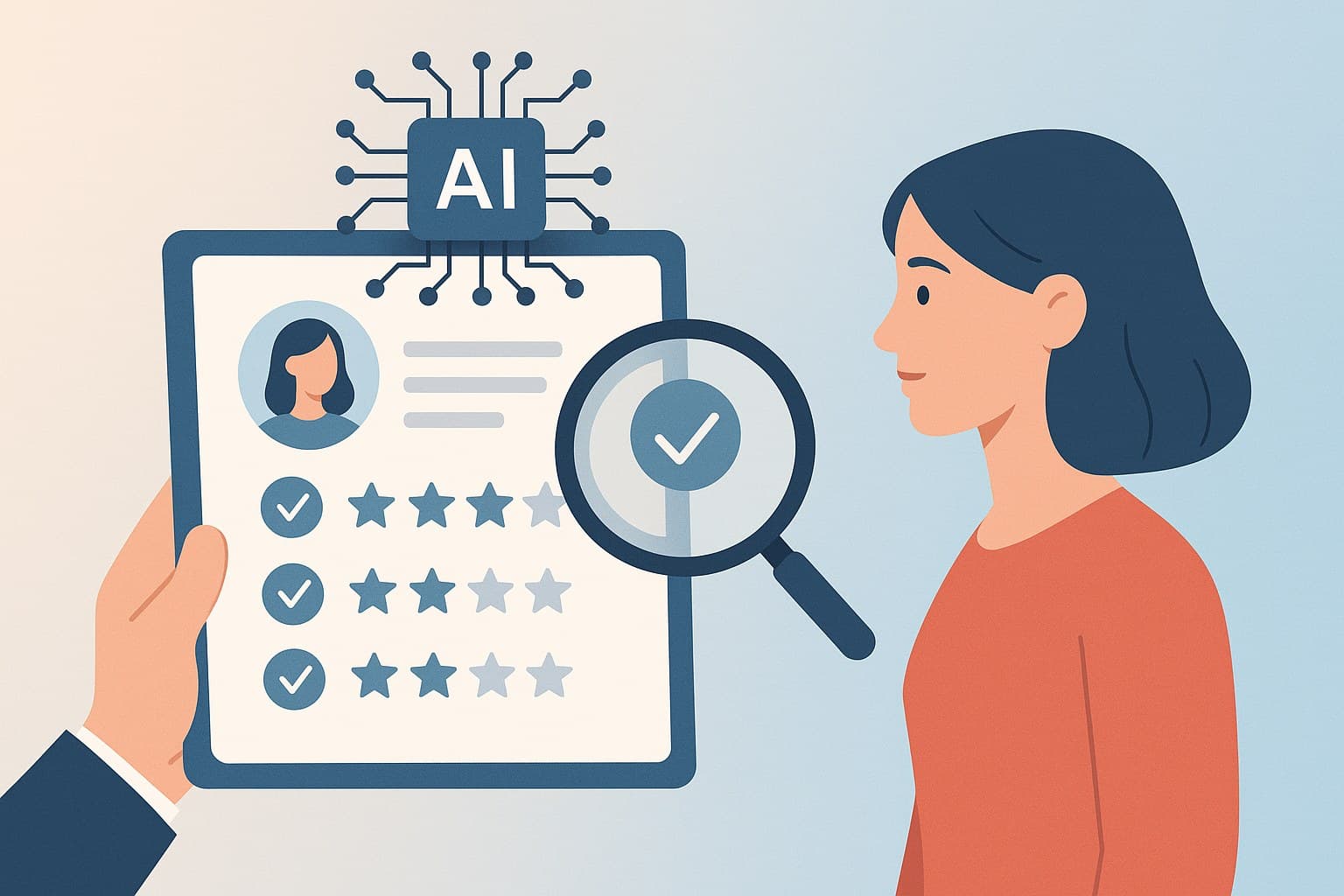
Mastering Technical Interview Questions: A Guide for Job Seekers
Facing technical interviews can be daunting, especially for recent graduates or those pivoting careers. "Handling technical interview questions" is crucial for landing a job in tech. Candidates often struggle with the pressure to perform perfectly while showcasing their skills and knowledge. This guide aims to equip job seekers with actionable insights and strategies to navigate technical interviews with confidence and poise.
The Importance of Mastering Technical Interviews
Technical interviews are a critical part of the hiring process in many industries, particularly in tech. They serve as a litmus test for assessing a candidate's problem-solving skills and technical proficiency. Employers want to ensure that they are hiring individuals who can effectively contribute to their teams and projects. Therefore, understanding the significance of technical interviews is the first step toward preparation.
Technical interviews often determine whether you get an offer or not. Many candidates, despite having impressive resumes, fail to clear the interview stage due to inadequate preparation. By mastering technical interviews, you not only improve your chances of getting hired but also gain confidence in discussing complex topics under pressure.
Common Challenges in Technical Interviews
Candidates frequently encounter several challenges during technical interviews. One major issue is the unpredictability of questions. While some interviews focus on algorithms and data structures, others might delve into system design or require you to solve real-world problems. This unpredictability can leave candidates feeling unprepared and anxious.
Another common challenge is the time constraint. Interviews often require you to solve problems quickly, which can be stressful. There is also the pressure to think aloud, as interviewers often assess your thought process as much as the final answer. This can be intimidating, especially for those not used to verbalizing their thought processes.
Furthermore, many candidates struggle with the "whiteboard coding" aspect of technical interviews. This involves solving coding problems on a whiteboard or a shared screen, which can be challenging without a keyboard and IDE to rely on.
Core Concepts and Principles of Technical Interviews
Understanding the core concepts and principles behind technical interviews can significantly enhance your preparation. Technical interviews typically assess your problem-solving skills, coding ability, and understanding of computer science fundamentals. They often include:
-
Data Structures and Algorithms: Knowledge of arrays, linked lists, trees, graphs, and algorithms like sorting and searching is crucial. These are the building blocks for solving complex problems.
-
System Design: This assesses your ability to design scalable systems. You may need to plan architecture and discuss trade-offs in design decisions.
-
Problem-Solving Skills: Employers are interested in how you approach and solve problems. Your ability to break down problems into smaller, manageable parts is key.
-
Communication Skills: Clear and effective communication is vital, as you need to explain your thought process and solutions to the interviewer.
Understanding these components allows you to tailor your preparation accordingly, focusing on areas that are most relevant to the roles you are applying for.
Effective Strategies for Handling Technical Interview Questions
To excel in technical interviews, adopt a systematic approach to preparation:
-
Practice Regularly: Use platforms like LeetCode, HackerRank, or CodeSignal to practice coding problems. Regular practice helps you recognize patterns and improves problem-solving speed.
-
Study Core Concepts: Dive deep into data structures, algorithms, and system design. Use textbooks, online courses, and tutorials to strengthen your understanding.
-
Simulate Interview Conditions: Practice coding on a whiteboard or in a plain text editor to simulate real interview conditions. This helps you get comfortable with the format.
-
Think Aloud: Practice verbalizing your thought process while solving problems. This helps you get used to explaining your reasoning to an interviewer.
-
Mock Interviews: Conduct mock interviews with peers or use services that provide professional feedback. This can help you identify areas for improvement.
By employing these strategies, you can enhance your technical skills and become more adept at handling the pressures of technical interviews.
Anonymous Scenarios and Common Pitfalls
Imagine a candidate at a mid-sized tech firm facing a technical interview. Despite having strong programming skills, they struggle with articulating their thought process during the interview. This is a common pitfall; many candidates focus solely on solving the problem, neglecting to communicate their approach.
Another scenario involves a recent graduate who excels at coding problems but falters during the system design portion. They lack the experience to discuss trade-offs and scalability, which are crucial for senior roles. This highlights the importance of well-rounded preparation.
Candidates often overlook the importance of non-technical skills, such as communication and teamwork. These are essential for demonstrating your ability to work effectively within a team.
Conclusion
Handling technical interview questions requires a blend of technical knowledge, problem-solving skills, and effective communication. By understanding the importance of technical interviews, recognizing common challenges, and employing effective preparation strategies, you can significantly improve your performance and increase your chances of securing a job offer.
Are you ready to face your next technical interview with confidence? By applying the insights from this guide, you can approach your interviews with a strategic mindset and showcase your abilities to potential employers. Remember, preparation and practice are key to success. What steps will you take today to master your next technical interview?
Frequently Asked Questions
Key questions often raised by business leaders and HR teams:
What are the key components of a technical interview?
Technical interviews typically assess your problem-solving skills, coding ability, and understanding of computer science fundamentals such as data structures and algorithms.
How can I prepare for a technical interview?
Regular practice on platforms like LeetCode and HackerRank, studying core concepts, and conducting mock interviews can significantly enhance your preparation.
What common challenges do candidates face during technical interviews?
Candidates often struggle with the unpredictability of questions, time constraints, and the need to articulate their thought processes clearly.
Is communication important in technical interviews?
Yes, effective communication is vital as you need to explain your thought process and solutions clearly to the interviewer.