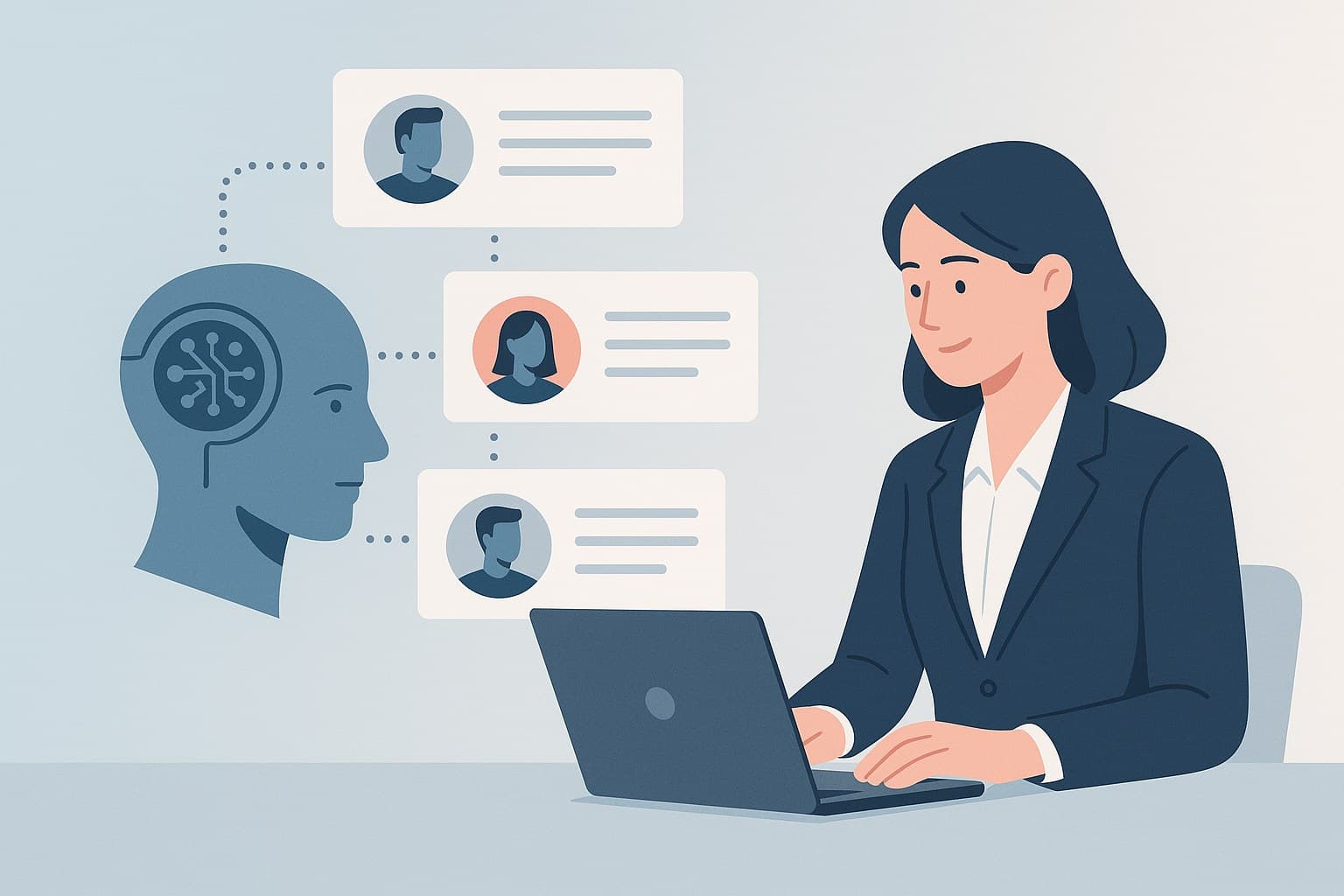
Mastering Technical Interviews: A Comprehensive Guide
Facing a technical interview can be daunting, especially when the stakes are high. Mastering technical interviews is crucial for job seekers, career changers, and recent graduates looking to make a mark in the tech industry. This guide will provide you with essential strategies, highlight common pitfalls, and offer actionable steps to prepare effectively.
Why Mastering Technical Interviews Is Crucial
Technical interviews are a critical component of the hiring process in the tech sector. They are designed to assess a candidate's problem-solving abilities, coding skills, and understanding of key technical concepts. For job seekers, acing these interviews can mean the difference between landing a dream job or missing out.
In today's competitive job market, companies are not just looking for candidates with strong resumes. They want individuals who can demonstrate their skills in real-time, solve complex problems, and communicate their thought processes clearly. Therefore, mastering technical interviews is not just about knowing the right answers but also about showcasing your ability to think critically and adapt to new challenges.
Common Misconceptions About Technical Interviews
Many candidates enter technical interviews with misconceptions that can hinder their performance. One common myth is that technical interviews are solely about coding. While coding is a significant part, interviewers often look for a range of skills, including problem-solving, algorithmic thinking, and communication.
Another misunderstanding is that memorizing algorithms and solutions is sufficient. While knowing algorithms is helpful, interviewers are more interested in your problem-solving approach. They want to see how you tackle a new problem, your thought process, and your ability to optimize solutions.
Lastly, some candidates believe that technical interviews are purely objective. However, soft skills play a crucial role. Being able to explain your reasoning, ask clarifying questions, and engage in a dialogue with the interviewer can set you apart from other candidates.
Key Concepts and Principles to Understand
When preparing for a technical interview, it's important to focus on core concepts rather than memorization. Understanding the principles of data structures, algorithms, and time and space complexity is essential. Here are some key areas to focus on:
-
Data Structures: Familiarize yourself with arrays, linked lists, stacks, queues, hash tables, trees, and graphs. Understand their use cases and limitations.
-
Algorithms: Study sorting and searching algorithms, such as quicksort, mergesort, and binary search. Know how to implement and optimize them.
-
Complexity Analysis: Learn to analyze the time and space complexity of algorithms. This will help you choose the most efficient solution for a given problem.
-
System Design: For senior roles, understanding system architecture and design principles can be important. Practice designing scalable systems.
By grasping these concepts, you'll be better equipped to handle the variety of questions you might face during an interview.
Effective Preparation Strategies
Preparation is key to mastering technical interviews. Start by identifying the common topics and problems in your field. Use online resources, coding platforms, and interview prep books to practice.
-
Practice Coding: Use platforms like LeetCode, HackerRank, or CodeSignal to solve coding challenges. These platforms offer a range of problems that mimic real interview questions.
-
Mock Interviews: Conduct mock interviews with peers or use online services. This will help you get used to the interview format and receive feedback on your performance.
-
Review Past Interviews: Reflect on your past interview experiences. Identify what went well and what needs improvement. This self-analysis can guide your preparation.
-
Group Study: Join study groups or forums. Discussing problems with others can provide new insights and help you learn different approaches.
By following these strategies, you can build confidence and improve your readiness for the actual interview.
Common Pitfalls and How to Avoid Them
Even well-prepared candidates can fall into common traps during technical interviews. Here are some pitfalls to be aware of and tips on how to avoid them:
-
Lack of Communication: Failing to communicate your thought process can be detrimental. Always verbalize your reasoning, even if you find the problem straightforward.
-
Ignoring Edge Cases: Overlooking special or edge cases can lead to incomplete solutions. Make sure to test your code against a variety of inputs.
-
Rushing to Code: Jumping straight into coding without planning can lead to mistakes. Take time to outline your approach and ensure it works before you start coding.
-
Time Mismanagement: Spending too much time on a single problem can leave you with insufficient time to solve others. Prioritize problems and move on if you're stuck.
By being aware of these pitfalls, you can take proactive steps to avoid them and enhance your performance.
Anonymous Scenarios and Common Traps
Consider the scenario of a software developer applying to a mid-size tech firm. During the technical interview, the developer was given a problem involving a complex algorithm. Instead of immediately coding, the developer took a moment to outline the approach, identified potential edge cases, and discussed the trade-offs of different solutions with the interviewer. This approach not only impressed the interviewer but also ensured a robust solution.
Common traps, such as assuming the interviewer is looking for one specific solution or being afraid to ask questions, can be detrimental. Remember, interviewers often appreciate candidates who ask clarifying questions or discuss multiple solutions.
Conclusion
Mastering technical interviews requires a combination of technical knowledge, strategic preparation, and effective communication. By understanding the importance of these interviews, debunking common myths, focusing on key concepts, and avoiding common pitfalls, you can significantly improve your chances of success.
As you prepare for your next interview, remember that practice and reflection are your best tools. Consider how you can apply these insights to your preparation strategy. What will you do differently in your next technical interview?
Frequently Asked Questions
Key questions often raised by business leaders and HR teams:
What are the key skills assessed in a technical interview?
Technical interviews typically assess problem-solving abilities, coding skills, and understanding of algorithms and data structures.
How can I prepare effectively for a technical interview?
Practice coding on platforms like LeetCode, conduct mock interviews, and review past interview experiences to identify areas for improvement.
What common mistakes should I avoid during a technical interview?
Avoid rushing to code, failing to communicate your thought process, and overlooking edge cases. Take your time to outline your approach.
Is memorization enough to succeed in technical interviews?
While knowing algorithms is helpful, interviewers value your problem-solving approach and ability to think critically over rote memorization.
How important are soft skills in technical interviews?
Soft skills are crucial; being able to explain your reasoning and engage in dialogue can set you apart from other candidates.