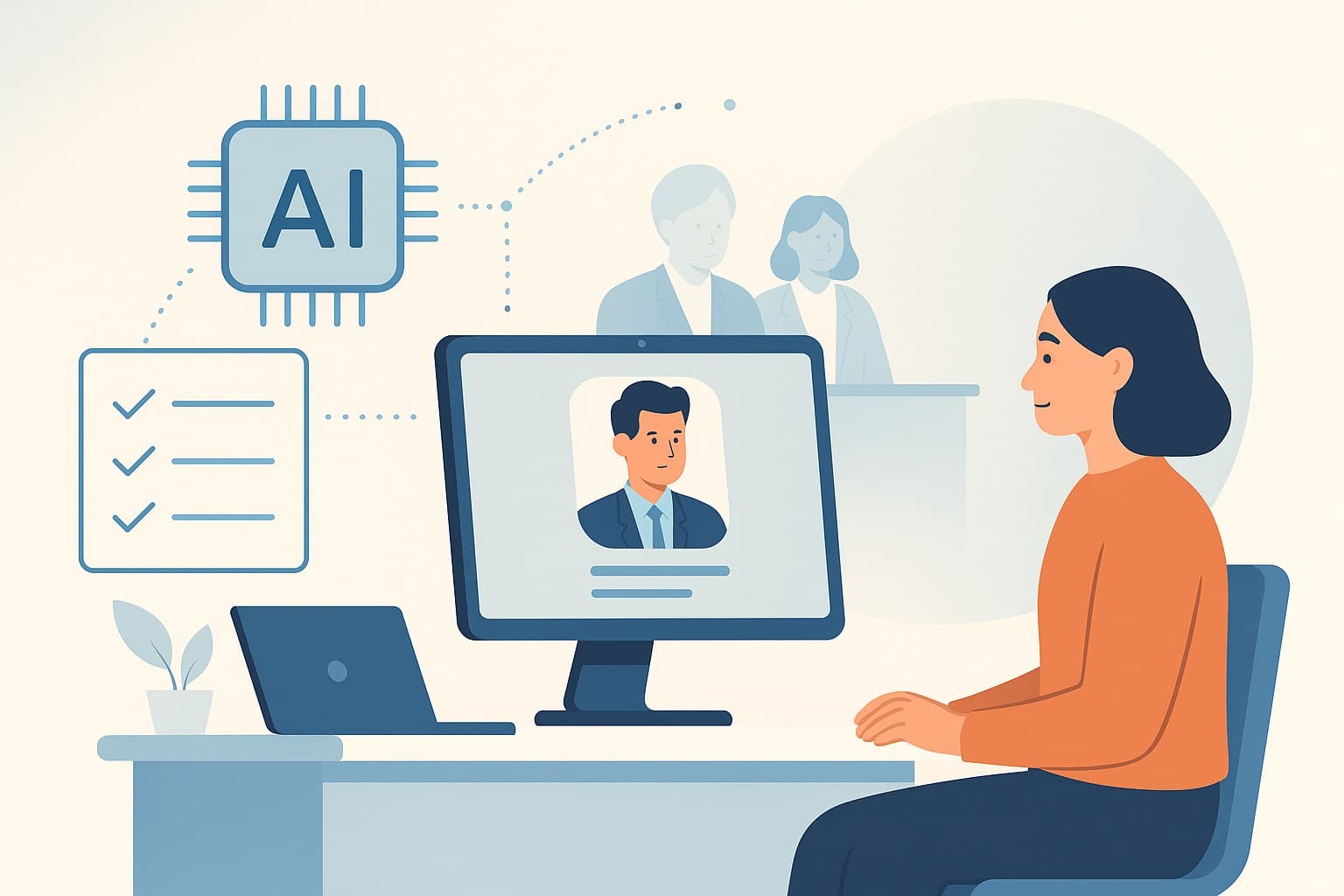
Unlocking the Benefits of Mock Interviews for Job Seekers
Facing the daunting process of job hunting, job seekers often overlook a powerful tool: mock interviews. These practice sessions can be pivotal in transforming anxiety into confidence, allowing candidates to present their best selves. By simulating real interview conditions, mock interviews expose weaknesses and hone skills that are crucial for success. Let's delve into how mock interviews can benefit job seekers, career changers, and recent graduates preparing for their next big opportunity.
Why Mock Interviews Are Important for Job Seekers
In today's competitive job market, standing out during an interview is crucial. A mock interview provides a safe environment to practice and receive feedback, significantly improving your performance when it matters most. Consider it a dress rehearsal for the actual performance, where you can experiment with responses and strategies without the pressure of real-time stakes. This preparation can be the difference between landing a job and continuing the search.
Many job seekers underestimate the importance of preparation, believing that their qualifications alone will secure a position. However, interviews assess not only skills and experience but also how these are communicated. A hiring manager at a mid-size tech firm might be more impressed by a candidate who articulates their thoughts clearly and demonstrates confidence than by a resume alone. Mock interviews help bridge the gap between qualifications and presentation.
Common Pitfalls in Interviews and How Mock Sessions Help
A frequent issue job seekers encounter is nerves, which can lead to stumbling over words or forgetting key points. Mock interviews help mitigate these nerves by familiarizing candidates with the interview process. This exposure reduces anxiety and builds confidence, enabling candidates to focus more on the content of their answers rather than their delivery.
Another common mistake is failing to tailor responses to the specific job or company. In a mock interview, candidates can practice refining their answers to align with the job description and company culture. For instance, a candidate interviewing for a customer service role might practice emphasizing their interpersonal skills and problem-solving abilities, which are crucial for the position.
Moreover, feedback from mock interviews highlights areas for improvement that candidates might not recognize on their own. Whether it's body language, tone of voice, or the content of answers, constructive criticism provides valuable insights that can be used to enhance performance. Without this feedback, candidates risk repeating the same mistakes in actual interviews, potentially costing them opportunities.
Core Concepts Behind Effective Mock Interviews
The success of a mock interview hinges on its realism. It should closely mimic the conditions of a real interview, including the setting, format, and questions. This authenticity helps prepare candidates for the actual experience, reducing surprises and increasing comfort levels.
One effective approach is to incorporate a variety of question types, such as behavioral, situational, and technical questions. This variety ensures comprehensive preparation, as candidates must be adept at answering all types of inquiries. For example, a technical question might test a candidate's problem-solving skills under pressure, while a behavioral question assesses past experiences and their relevance to the role.
Additionally, timing is crucial. Practicing with time constraints helps candidates manage their responses efficiently, ensuring they provide complete yet concise answers. This skill is particularly important in interviews where time with the interviewer is limited, and every second counts.
Steps to Conduct a Productive Mock Interview
Conducting a successful mock interview involves several key steps. First, choose a facilitator who can provide objective feedback. This could be a career coach, a mentor, or a peer with relevant experience. The facilitator should understand the job requirements and be able to simulate the role of an interviewer effectively.
Next, select a quiet, distraction-free environment to conduct the interview. This setting should mirror the conditions of a real interview as closely as possible to ensure authenticity. The more realistic the setting, the better prepared candidates will be for the actual experience.
Prepare a list of questions that cover various aspects of the role. These questions should challenge the candidate to think critically and reflect on past experiences. It's beneficial to include questions that candidates find particularly challenging, as overcoming these hurdles in practice can significantly boost confidence.
During the mock interview, record the session or take notes to review later. This record provides a valuable resource for identifying patterns, such as repeated filler words or awkward pauses. Reviewing these notes with the facilitator allows candidates to understand their performance from an external perspective and make necessary adjustments.
Real-Life Scenarios and Common Traps
Imagine a recent graduate preparing for their first job interview. They may feel overwhelmed by the prospect of articulating their skills and experiences effectively. A mock interview allows them to practice responses and receive feedback, transforming uncertainty into confidence.
A common trap is over-rehearsing answers, leading to responses that sound robotic or insincere. Mock interviews help candidates find a balance between preparation and authenticity. By practicing different scenarios, candidates learn to adapt their responses naturally, making their answers more engaging and relatable.
Another scenario involves a career changer entering a new field. They might struggle to convey how their past experiences are relevant to the new role. Mock interviews provide an opportunity to refine this narrative, ensuring that they communicate their transferable skills effectively.
Conclusion
Mock interviews are a powerful tool for any job seeker, offering a platform to practice, refine, and perfect their interview skills. By identifying weaknesses, building confidence, and enhancing communication abilities, mock interviews prepare candidates for the high-stakes environment of a real interview. As you embark on your job search journey, consider incorporating mock interviews into your preparation strategy. After all, isn't it better to stumble in practice than in the real interview? How will you ensure you're ready for your next big opportunity?
Frequently Asked Questions
Key questions often raised by business leaders and HR teams:
What are the benefits of mock interviews?
Mock interviews help job seekers build confidence, improve communication skills, and receive constructive feedback to enhance performance.
How can I conduct a successful mock interview?
Choose a knowledgeable facilitator, simulate a realistic interview environment, and prepare varied questions to challenge the candidate.
What common mistakes do candidates make in interviews?
Common mistakes include failing to tailor answers to the job, being overly nervous, and not practicing effectively, which mock interviews can help address.
Who should I ask to conduct my mock interview?
Consider asking a career coach, mentor, or a peer with relevant experience to provide objective feedback during the mock interview.
How can mock interviews reduce interview anxiety?
By familiarizing candidates with the interview process and providing practice opportunities, mock interviews help reduce nerves and build confidence.