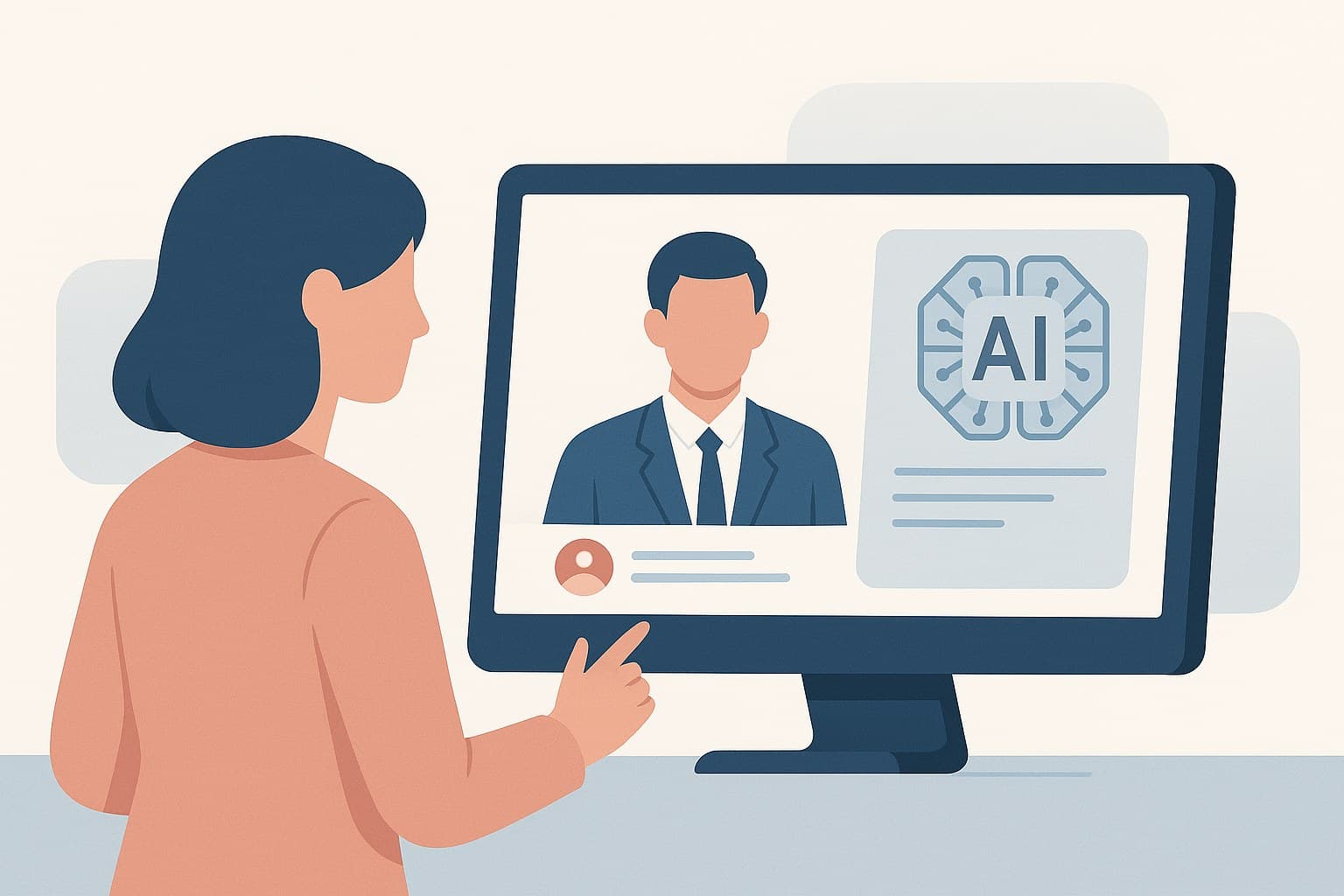
Mastering Mock Interview Practices: A Guide for Job Seekers
In the competitive landscape of job searching, mastering mock interview practices is crucial. Whether you're a recent graduate or a career changer, honing your interview skills can make or break your chances of landing a job. Mock interviews provide a safe environment to practice responses, refine body language, and build confidence. This guide will delve into effective strategies, common pitfalls, and actionable tips to help you excel in your next interview.
Why Mock Interview Practices Matter
Mock interviews are an essential part of preparing for actual job interviews. They offer a realistic simulation of the interview process, allowing candidates to practice in a setting that mimics real-life scenarios. By engaging in mock interviews, job seekers can identify their strengths and weaknesses, and make necessary adjustments before the actual interview.
For many, the interview process is daunting. The pressure to perform well can lead to anxiety, which may affect how candidates present themselves. Mock interviews alleviate some of this pressure by offering a platform to practice responses to common interview questions, refine communication skills, and gain familiarity with the interview environment.
Moreover, mock interviews provide valuable feedback. Constructive criticism from peers or mentors can highlight areas for improvement that candidates might overlook. This feedback is instrumental in helping candidates refine their approach, ensuring they are well-prepared when the real interview day arrives.
Common Pitfalls in Mock Interview Practices
Despite the benefits, candidates often encounter pitfalls during mock interviews. One common issue is treating the mock interview too casually. Some candidates may not take the process seriously, thinking it’s just a rehearsal. This mindset can lead to a lack of preparation, resulting in a less productive session.
Another mistake is failing to simulate the interview environment accurately. Conducting a mock interview in a casual setting may not provide the same level of pressure or formality as a real interview. It’s crucial to mimic the actual interview conditions to better prepare for the real experience.
Candidates also often struggle with receiving feedback. Constructive criticism can sometimes be difficult to digest, especially if it highlights weaknesses. However, embracing feedback is vital for growth. It’s important to approach feedback with an open mind and use it to make necessary improvements.
Key Elements of Effective Mock Interviews
To make the most of mock interviews, certain key elements should be in place. Firstly, preparation is paramount. Candidates should treat the mock interview with the same seriousness as the real one. This includes researching the role, understanding the company, and preparing answers to potential questions.
Another crucial element is choosing the right interviewer. Ideally, the interviewer should be someone with experience in hiring or someone familiar with the industry. This ensures that the feedback provided is relevant and valuable. If possible, having multiple mock interviews with different interviewers can offer varied perspectives and insights.
Additionally, recording the mock interview can be beneficial. Watching the playback allows candidates to observe their body language, tone, and overall performance. This self-evaluation can reveal nuances that may not be apparent during the interview itself.
Strategies for Successful Mock Interviews
To enhance the effectiveness of mock interviews, candidates should employ specific strategies. One effective strategy is to simulate a variety of interview scenarios. This includes preparing for different types of questions, such as behavioral, technical, and situational questions. Practicing these diverse scenarios ensures candidates are well-rounded and prepared for any question that may arise.
Another strategy is to focus on non-verbal communication. Body language, eye contact, and facial expressions play a significant role in interviews. Candidates should practice maintaining a confident posture, making eye contact, and using appropriate gestures to convey enthusiasm and engagement.
Furthermore, candidates should prepare and practice their elevator pitch. This brief introduction should highlight key skills, experiences, and career goals. A well-crafted elevator pitch sets a positive tone for the interview and provides a strong foundation for further discussion.
Role of Feedback in Enhancing Mock Interview Practices
Feedback is a cornerstone of effective mock interview practices. Constructive feedback provides candidates with an objective assessment of their performance, highlighting strengths and areas for improvement. It’s important for candidates to not only receive feedback but also act on it.
One way to effectively utilize feedback is to set specific goals for improvement. After each mock interview, candidates should identify one or two areas to focus on and develop a plan to enhance these aspects. This targeted approach ensures continuous improvement and boosts confidence.
It’s also beneficial to seek feedback from multiple sources. Different perspectives can provide a more comprehensive understanding of a candidate’s performance. Gathering feedback from peers, mentors, or even using AI-based tools can offer diverse insights and help candidates refine their skills.
Overcoming Common Interview Challenges Through Mock Practices
Mock interview practices are instrumental in overcoming common interview challenges. One such challenge is dealing with unexpected questions. Through repeated practice, candidates learn to think on their feet and respond to questions they may not have anticipated.
Another challenge is managing interview anxiety. Mock interviews help candidates acclimate to the interview environment, reducing nerves and increasing confidence. This practice can significantly improve a candidate’s ability to remain calm and composed during the actual interview.
Finally, mock interviews help candidates improve their storytelling skills. A well-told story can make a candidate memorable and illustrate their qualifications effectively. Practicing storytelling in mock interviews enables candidates to refine this skill, ensuring they can convey their experiences in a compelling manner.
Conclusion
Mock interview practices are an invaluable tool for job seekers aiming to enhance their interview performance. By understanding their importance, avoiding common pitfalls, and employing effective strategies, candidates can significantly improve their chances of success. The role of feedback cannot be overstated, as it provides the insights needed for continuous improvement. As you prepare for your next interview, consider integrating mock interviews into your routine. How can you use the insights from your mock interviews to transform your real interview experiences?
Frequently Asked Questions
Key questions often raised by business leaders and HR teams:
What are mock interviews?
Mock interviews are practice sessions that simulate real job interviews, allowing candidates to refine their responses and improve their performance.
How can I benefit from mock interviews?
Mock interviews help identify strengths and weaknesses, reduce anxiety, and provide valuable feedback to enhance your interview skills.
What should I do during a mock interview?
Approach the mock interview seriously, prepare answers, and seek constructive feedback to make the most of the experience.
Who should conduct my mock interview?
Ideally, choose someone with hiring experience or knowledge of your industry to provide relevant and valuable feedback.
How often should I practice mock interviews?
Regular practice is beneficial; consider scheduling multiple mock interviews with different interviewers to gain diverse insights.