Essential Mock Interview Tips for Job Seekers
Navigating the job market can be daunting, with intense competition and evolving expectations. For job seekers, especially recent graduates and those switching careers, mastering the art of interviews is crucial. Mock interviews are a powerful tool to refine your skills, enabling you to present yourself effectively and confidently. This guide will offer you actionable mock interview tips to enhance your preparation and boost your chances of securing your desired position.
Understanding the Importance of Mock Interviews
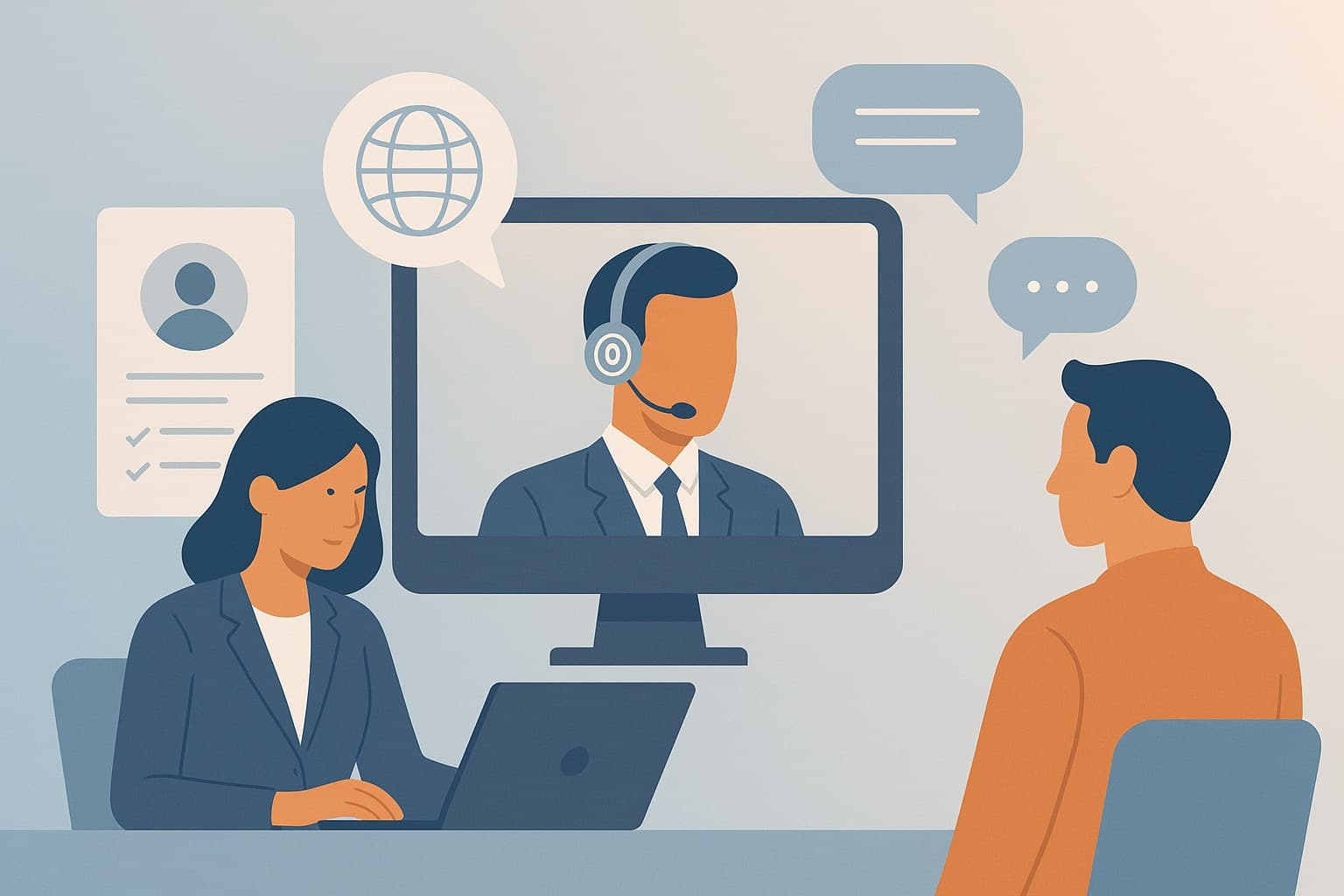
Mock interviews simulate real job interviews, providing a safe environment to practice responses and receive feedback. They are essential because they help you identify areas for improvement and build confidence. For instance, a job seeker preparing for a technical role might struggle with articulating technical processes succinctly. Through mock interviews, they can refine their explanations, making them clearer and more concise. This preparation is not just about answering questions but understanding the interview’s dynamics, such as body language and tone.
Practicing under realistic conditions helps reduce anxiety, a common barrier for many candidates. Anxiety can lead to poor performance, affecting how you answer questions or interact with interviewers. Mock interviews allow you to experience the rhythm and flow of an interview, making the real thing less intimidating. By rehearsing, you can better manage nerves, leading to a more natural and engaging conversation during the actual interview.
Common Mistakes to Avoid in Mock Interviews
Even in a practice setting, certain mistakes can hinder your progress. One frequent error is failing to research the role or industry thoroughly. A hiring manager at a mid-size tech firm once noted that candidates often struggle to connect their skills with the company's needs. This gap in preparation can be addressed by reviewing job descriptions and industry trends before your mock interviews.
Another common mistake is not treating the mock interview seriously. While it’s a practice session, approaching it casually can lead to complacency. Treat it as if it were the actual interview; dress appropriately, be punctual, and maintain professionalism throughout. This mindset ensures you gain the most from the experience, setting a standard for your real interviews.
Candidates also tend to focus solely on verbal communication, neglecting non-verbal cues. Your body language, eye contact, and posture convey confidence and interest. These aspects are often overlooked but can significantly impact how interviewers perceive you. Incorporating feedback on these elements during mock interviews will enhance your overall presentation.
Key Concepts for Effective Mock Interviews
Understanding the key concepts of mock interviews can transform your preparation. First, feedback is invaluable. Whether from peers, mentors, or professional coaches, receiving constructive criticism helps you identify weaknesses and areas for improvement. A job seeker might discover through feedback that they use filler words excessively, undermining their credibility. By working on this, they can improve their communication clarity.
Another crucial concept is adaptability. Interviews can be unpredictable, with questions varying significantly. Practicing with a wide range of questions prepares you to think on your feet. For example, if you're asked about a challenge you faced, be ready to adapt your response to highlight relevant skills and outcomes. This adaptability showcases your problem-solving abilities and readiness to tackle diverse situations.
Mock interviews also emphasize the STAR method (Situation, Task, Action, Result) for behavioral questions. This structured approach helps you articulate experiences effectively, demonstrating your competencies. Practicing the STAR method in mock interviews ensures you can provide comprehensive and impactful responses during actual interviews.
Steps to Conduct a Successful Mock Interview
Conducting a successful mock interview involves several critical steps. Start by selecting the right environment. Choose a quiet, distraction-free space that mimics a professional setting. This setup helps you focus and simulate the conditions of a real interview.
Next, assemble your materials. Have your resume, cover letter, and any other relevant documents on hand, as you would in a real interview. This preparation allows you to reference your experiences and achievements easily during the mock session.
Engage a partner who can objectively evaluate your performance. They should be familiar with the job role and industry to provide relevant feedback. During the session, encourage them to ask a mix of technical, behavioral, and situational questions. This variety ensures you cover different aspects of the interview process, preparing you for any surprises.
After the mock interview, dedicate time to review the feedback. Analyze what went well and identify areas needing improvement. For instance, if your feedback indicates you need to work on conciseness, practice refining your responses. A continuous feedback loop and refinement process will elevate your performance over time.
Anonymous Scenario: A Job Seeker's Journey
Consider a job seeker preparing for a customer service role. Initially, they struggled with articulating their experiences during interviews, often rambling or missing key points. By engaging in a series of mock interviews, they received feedback on their communication style and learned to structure their answers more effectively.
In one session, the interviewer posed a common question: "Tell me about a time you dealt with a difficult customer." Initially, their response was unfocused. However, with guidance, they learned to apply the STAR method, detailing a specific situation where they resolved a challenging issue, highlighting their problem-solving skills and customer satisfaction outcome.
Through consistent practice and feedback, they developed a more polished and confident presentation. This transformation not only improved their interview performance but also boosted their self-assurance, leading to a successful job offer. This scenario illustrates how mock interviews can dramatically impact a candidate’s preparation and outcomes.
Conclusion
Mock interviews are an invaluable tool for job seekers aiming to excel in their career pursuits. They provide a platform to practice, receive feedback, and hone interview skills in a low-pressure setting. By understanding their importance, avoiding common mistakes, and focusing on key concepts, you can significantly enhance your readiness. Remember, preparation is key to overcoming the challenges of the job market. As you embark on your interview journey, consider how mock interviews can shape your success. What steps will you take today to ensure you stand out in your next interview?
Frequently Asked Questions
Key questions often raised by business leaders and HR teams:
What are mock interviews?
Mock interviews are practice sessions that simulate real job interviews, allowing candidates to refine their responses and receive feedback.
Why are mock interviews important?
They help reduce anxiety, improve communication skills, and provide a safe environment to practice and receive constructive criticism.
How can I conduct a successful mock interview?
Choose a distraction-free environment, prepare relevant materials, and engage a partner who can provide objective feedback.
What common mistakes should I avoid in mock interviews?
Avoid casual attitudes, neglecting non-verbal cues, and failing to research the role or industry thoroughly.
What is the STAR method in interviews?
The STAR method stands for Situation, Task, Action, Result, and is a structured approach to answering behavioral questions effectively.