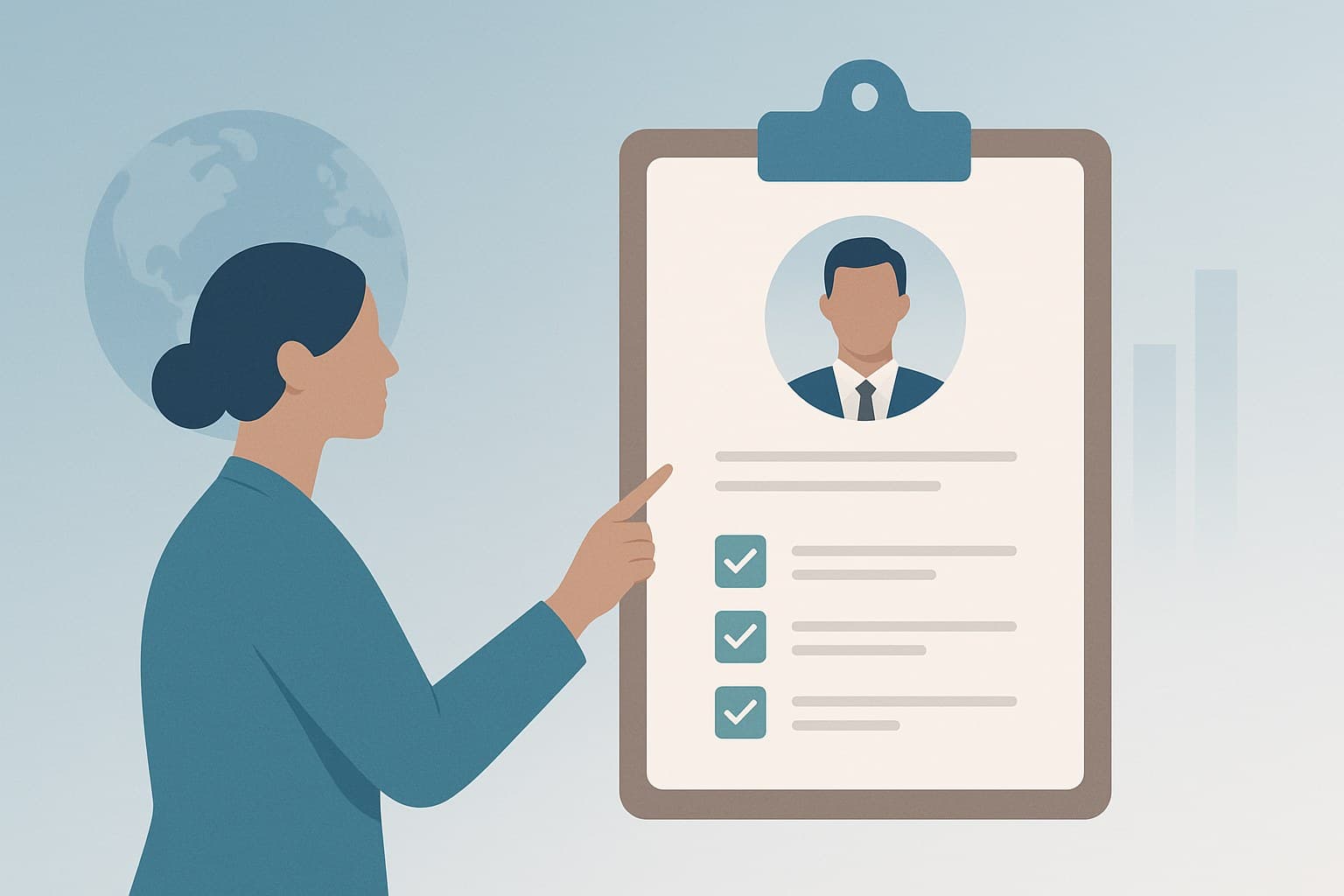
The Benefits of Mock Interviews for Job Seekers
In today’s competitive job market, effective interview preparation is crucial. Mock interviews offer a practical way for job seekers to refine their interview skills, gain confidence, and improve their chances of securing a job offer. Understanding the benefits of mock interviews can transform your job search strategy and help you stand out in the selection process.
Why Mock Interviews Matter
Mock interviews are vital because they simulate real interview conditions, providing candidates with a safe space to practice. For many, the interview process is daunting due to the pressure of performing well under scrutiny. Mock interviews help job seekers become familiar with this environment, allowing them to practice responses to common interview questions and receive feedback on areas for improvement. This preparation can reduce anxiety and enhance performance in actual interviews.
Moreover, mock interviews provide an opportunity to rehearse answers to behavioral questions, which are commonly used to assess a candidate's past experiences and predict future performance. By practicing these scenarios, candidates can develop concise and compelling narratives that highlight their achievements and problem-solving skills. This practice is especially important for recent graduates or career changers who may lack direct experience but can demonstrate transferable skills.
Common Misconceptions About Mock Interviews
Despite their benefits, several misconceptions about mock interviews persist. One common misunderstanding is the belief that mock interviews are only necessary for those who lack confidence or have poor communication skills. In reality, even seasoned professionals can benefit from mock interviews, as they provide an opportunity to refine answers and update their interviewing techniques in line with current trends and expectations.
Another misconception is that mock interviews are time-consuming and unnecessary. However, the time invested in a mock interview is often repaid many times over by the improved performance in actual interviews. Many candidates underestimate the importance of preparation, thinking they can "wing it" based on their resume alone. Unfortunately, this mindset can lead to subpar interviews, as candidates fail to articulate their experiences effectively or align their skills with the position’s requirements.
Key Concepts Behind Effective Mock Interviews
To maximize the benefits of mock interviews, it is essential to understand the core principles behind them. First, realism is key. The more closely a mock interview resembles an actual interview, the more effective it will be. This means dressing appropriately, practicing with someone unfamiliar with your work history, and using a formal setting.
Feedback is another crucial element. Constructive feedback helps identify areas that need improvement, such as body language, clarity of speech, or the depth of response. Engaging with a professional career coach or a trusted mentor can provide valuable insights that help refine your approach.
Additionally, repetition is vital. Regularly participating in mock interviews can help reinforce positive behaviors and diminish anxiety. It allows candidates to become comfortable with the interview process, making them more adaptable to unexpected questions or situations.
How to Conduct a Successful Mock Interview
Conducting a successful mock interview involves several steps. First, identify a suitable interviewer who can provide honest feedback. This could be a career counselor, a professional in your desired field, or a peer who has experience with hiring processes.
Next, prepare a list of questions relevant to the job you are applying for. These should include both common interview questions and those specific to the industry or role. Practicing a mix of these questions helps ensure you are prepared for various interview styles and formats.
During the mock interview, focus on delivering clear and concise answers. Use the STAR method (Situation, Task, Action, Result) to structure responses to behavioral questions, ensuring you highlight specific examples of your skills and accomplishments.
After the interview, request feedback on your performance. Ask the interviewer to comment on areas such as your communication skills, confidence level, and the relevance of your responses. Use this feedback to refine your approach and identify areas for further practice.
Anonymous Scenarios: Common Pitfalls in Mock Interviews
Understanding common pitfalls in mock interviews can help you avoid them. One frequent mistake is not taking the mock interview seriously. Treating it as a mere formality undermines its effectiveness. Approach it with the same level of seriousness as you would a real interview to gain the most benefit.
Another pitfall is failing to address weaknesses identified during the mock interview. Ignoring constructive feedback prevents improvement and can lead to the same mistakes in real interviews. Instead, use feedback as a guide to focus your preparation on areas that need enhancement.
Finally, some candidates over-rehearse their responses, leading to answers that sound robotic or insincere. While practicing is important, it is equally crucial to remain authentic and adaptable. Being able to think on your feet and engage in a natural conversation is often more impressive than delivering a rehearsed monologue.
Conclusion
Mock interviews are an invaluable tool for job seekers, offering a range of benefits from reducing anxiety to improving interview skills. By understanding their importance, addressing common misconceptions, and practicing effectively, candidates can significantly enhance their interview performance. As you prepare for your next career opportunity, consider incorporating mock interviews into your strategy. They not only build confidence but also increase your chances of making a lasting impression on potential employers. How will you use mock interviews to elevate your job search success?
Frequently Asked Questions
Key questions often raised by business leaders and HR teams:
What are mock interviews?
Mock interviews are practice interviews that simulate real interview conditions, allowing candidates to refine their skills.
Why should I participate in a mock interview?
Participating in a mock interview helps reduce anxiety, improve communication skills, and enhance overall interview performance.
How do I conduct a successful mock interview?
To conduct a successful mock interview, choose a knowledgeable interviewer, prepare relevant questions, and focus on clear, concise answers.
What common mistakes should I avoid in mock interviews?
Avoid treating mock interviews lightly, ignoring feedback, and over-rehearsing your responses.
Can experienced professionals benefit from mock interviews?
Yes, even seasoned professionals can benefit from mock interviews by refining their techniques and staying updated with current trends.