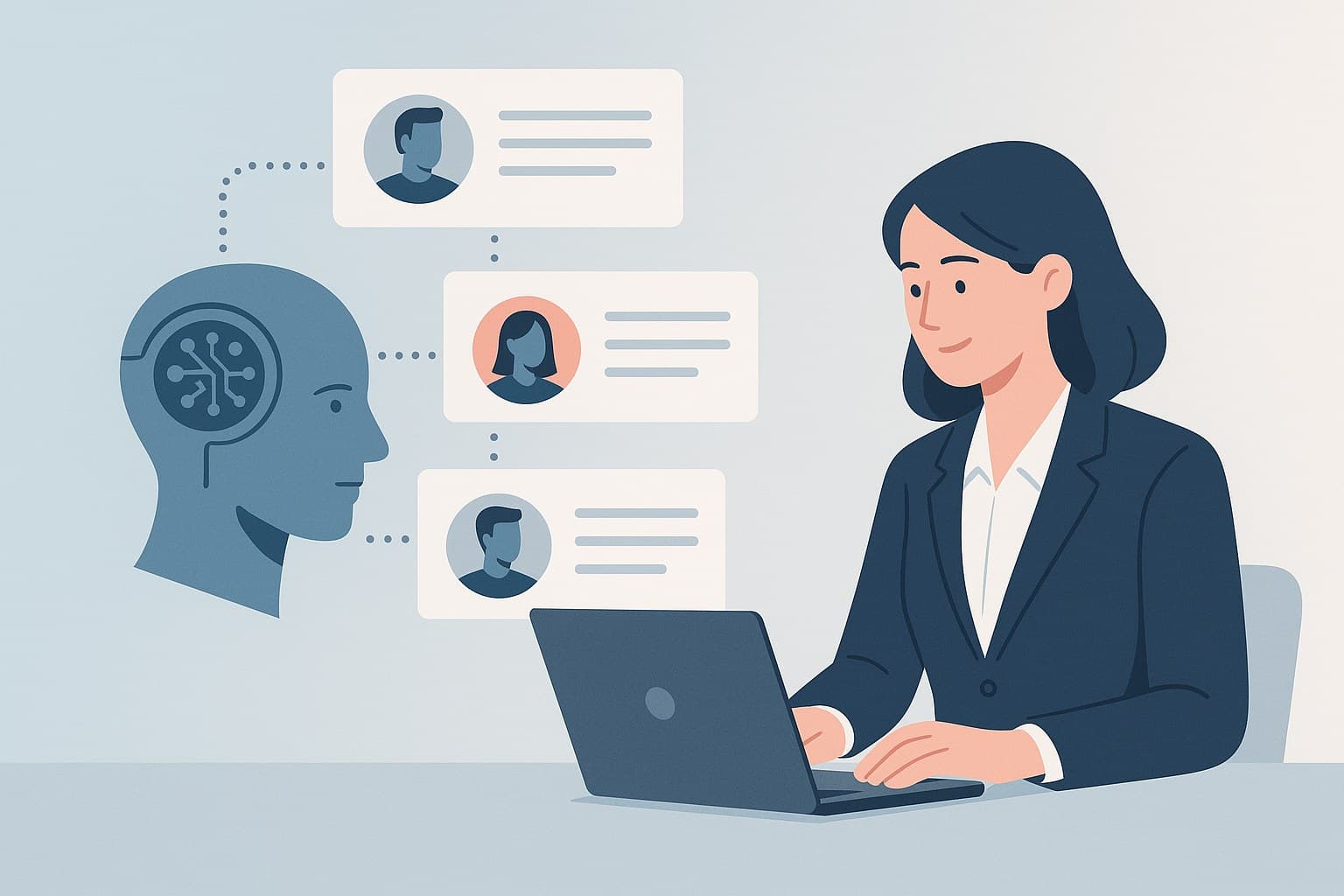
Master the Art of Mock Interviews: Essential for Job Seekers
Facing job interviews can be daunting, especially when you're in the critical phase of transitioning careers or just stepping into the job market. Utilizing mock interviews is a powerful strategy to alleviate stress and improve performance. By simulating the interview environment, you prepare yourself better for the real scenario, boosting both confidence and competence.
Why Mock Interviews Are Crucial for Success
Mock interviews are a simulation of real job interviews that help candidates practice and prepare for actual interview conditions. The importance of these practice sessions cannot be understated. They offer a safe environment to practice responses, get feedback, and improve communication skills.
Mock interviews help identify weaknesses and areas for improvement. Without this practice, many job seekers find themselves unprepared for questions they could have anticipated. In the fast-paced world of job hunting, being unprepared can mean the difference between landing your dream job and missing out.
Moreover, mock interviews provide the chance to receive constructive feedback. This feedback is invaluable, as it highlights not only areas of improvement but also reinforces your strengths. By understanding what works and what doesn't, you can refine your approach to ensure you leave a lasting impression on potential employers.
Common Misconceptions About Mock Interviews
Despite their benefits, there are several misconceptions about mock interviews that may discourage job seekers from using them effectively. A prevalent misunderstanding is the belief that mock interviews are unnecessary if you are confident in your abilities. Confidence is important, but it should be backed by thorough preparation.
Another misconception is that mock interviews are only for those who are new to the job market. In reality, individuals at all career stages can benefit. Experienced professionals often have outdated interview skills or are unfamiliar with current expectations and trends.
Lastly, some assume that mock interviews are too time-consuming. While they do require a time investment, the payoff in terms of improved performance and confidence can be significant. By incorporating mock interviews into your preparation strategy, you enhance your readiness for any opportunity that comes your way.
How to Conduct Effective Mock Interviews
Conducting effective mock interviews involves several steps. First, you need to choose the right format. Decide whether it will be in-person, over the phone, or via video call, depending on the type of interview you are preparing for.
Next, develop a list of potential questions. These should include common interview questions, as well as those specific to your industry and role. Utilize resources such as job descriptions and industry guides to tailor your questions.
It's also crucial to select the right mock interviewer. This person should ideally be someone with experience in hiring or who understands the role you are applying for. They should provide honest and constructive feedback to help you improve.
During the mock interview, simulate the conditions of a real interview as closely as possible. Dress appropriately, maintain eye contact, and practice good body language. This will help you become comfortable with the interview setting and reduce anxiety.
Practical Tips for Making the Most Out of Mock Interviews
To maximize the benefits of mock interviews, approach them with a strategy. Here are some practical tips:
-
Record the Session: Recording allows you to review the interview later and catch nuances you might have missed during the session.
-
Focus on Weaknesses: Use feedback to identify and focus on areas where you feel less confident. Practice these areas repeatedly until you improve.
-
Simulate Different Scenarios: Practice with different interview styles, such as behavioral or technical interviews, to cover a broad spectrum of potential interview formats.
-
Seek Diverse Feedback: Conduct mock interviews with different individuals to gain varied perspectives and insights. Each person may provide unique feedback that can be valuable.
-
Reflect and Refine: After each mock interview, reflect on the feedback and your performance. Develop a plan to address any shortcomings and refine your responses.
Anonymous Scenarios: Learning from Common Pitfalls
Consider a scenario where a mid-career professional is preparing to switch industries. They might believe their extensive experience in a related field will suffice without additional preparation. However, during a mock interview, they struggle to articulate how their skills transfer to the new industry. This highlights the importance of practicing industry-specific questions and narratives.
Another example involves a recent graduate who excels in technical skills but lacks confidence in communication. Through mock interviews, they realize the need to improve their storytelling ability to effectively convey their projects and experiences.
These scenarios demonstrate the value of mock interviews in uncovering and addressing potential pitfalls before they become obstacles in real interviews.
Conclusion
Utilizing mock interviews is an essential strategy for any job seeker. Whether you're a recent graduate or a seasoned professional, the insights and confidence gained from these practice sessions can significantly impact your job search success. By understanding the importance of mock interviews, addressing common misconceptions, and implementing effective strategies, you can enhance your interview skills and increase your chances of securing your desired position. As you refine your approach, consider this: How might your career trajectory change if you excelled in every interview? Reflect on this question as you prepare for your next opportunity.
Frequently Asked Questions
Key questions often raised by business leaders and HR teams:
What are mock interviews?
Mock interviews are practice sessions that simulate real job interviews, allowing candidates to prepare and receive feedback.
Who can benefit from mock interviews?
Job seekers at all career stages, including recent graduates and experienced professionals, can benefit from mock interviews.
How can I conduct an effective mock interview?
Choose the right format, develop relevant questions, and select a knowledgeable mock interviewer to provide constructive feedback.
What common misconceptions exist about mock interviews?
Many believe mock interviews are only for beginners or that they are unnecessary if you feel confident, but preparation is vital for everyone.
How can I maximize the benefits of mock interviews?
Record your sessions, focus on weaknesses, and seek diverse feedback to continuously improve your interview skills.