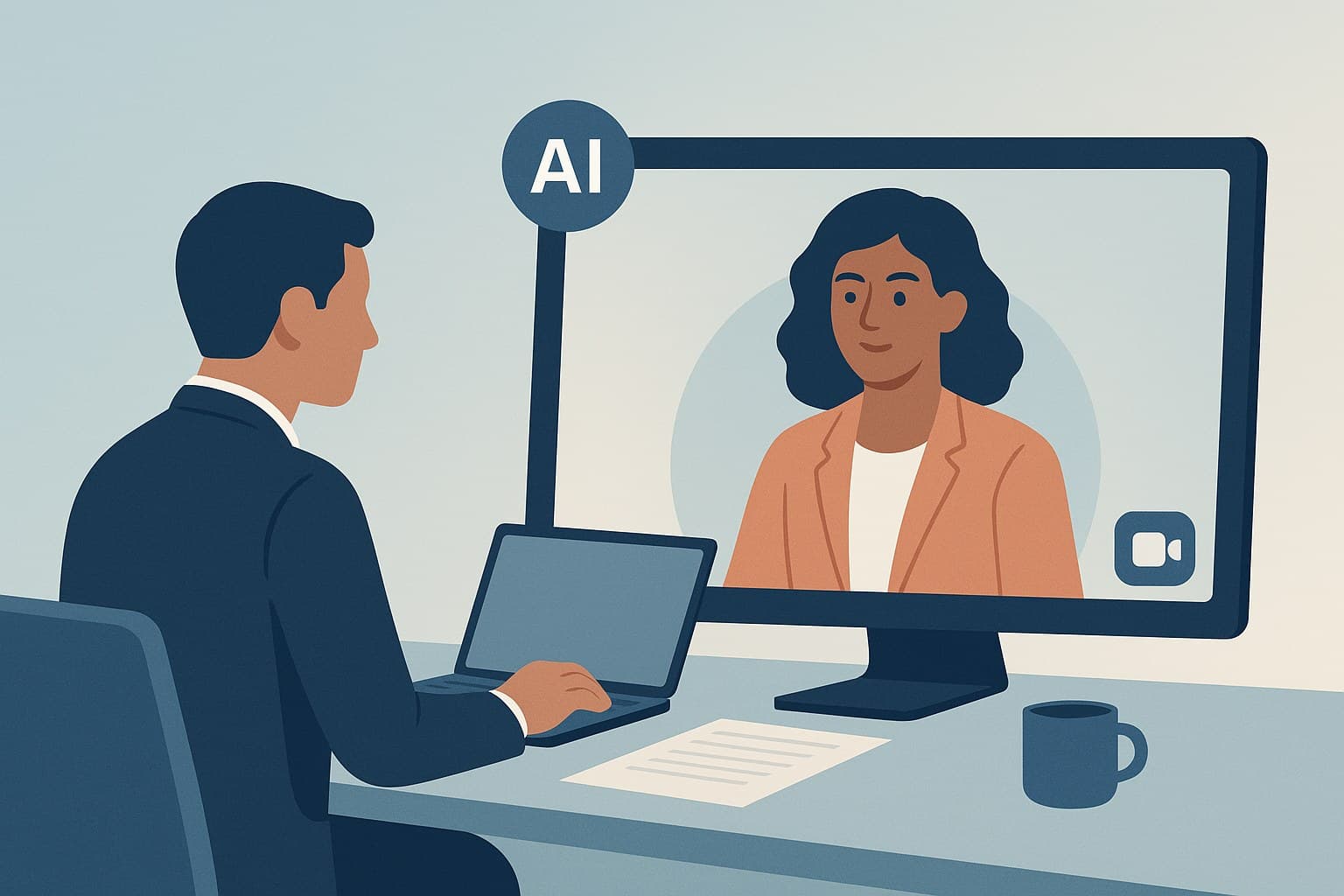
Navigating Non-Traditional Career Paths Interviews
In today's rapidly evolving job market, non-traditional career paths are becoming increasingly common. Whether you're transitioning from one industry to another, exploring freelance opportunities, or diving into entrepreneurship, interviews for these roles demand a unique approach. Understanding how to navigate these interviews can be the key to unlocking new career opportunities.
The Importance of Understanding Non-Traditional Career Paths
Recognizing the significance of non-traditional career paths is crucial in today's job landscape. As industries evolve with technology and globalization, the demand for diverse skill sets grows. Non-traditional careers often encompass roles that didn't exist a decade ago, such as digital marketing specialists, AI trainers, or remote work consultants. For job seekers, understanding these roles can open doors to innovative and rewarding careers.
Employers are increasingly valuing diverse experiences and skill sets that candidates from non-traditional backgrounds bring. These roles often require adaptability, creativity, and a fresh perspective—qualities that can set you apart in interviews. By preparing for these interviews, you can better articulate how your unique background contributes to the role and the organization's goals.
Common Misunderstandings About Non-Traditional Interviews
Many job seekers face misconceptions when approaching interviews for non-traditional career paths. A common belief is that traditional qualifications such as degrees or certifications are mandatory. While these can be beneficial, non-traditional roles often value practical experience and skills over formal education.
Another misunderstanding is the notion that non-traditional roles offer less stability or growth potential. In reality, these positions can provide significant career advancement and personal fulfillment. The key is to demonstrate your ability to leverage your diverse background to deliver results, which is often more appealing to employers than a conventional resume.
Understanding these misconceptions allows you to better prepare for interviews, focusing on showcasing relevant skills and experiences rather than conforming to outdated norms.
Core Concepts of Non-Traditional Career Interviews
At the heart of non-traditional career path interviews is the need to articulate your unique value proposition. This involves clearly communicating how your diverse experiences and skills align with the role. Unlike traditional roles, where qualifications are often standardized, non-traditional roles require candidates to draw connections between past experiences and future contributions.
Candidates should focus on demonstrating their adaptability, problem-solving abilities, and willingness to learn. Highlighting experiences where you successfully navigated change or took initiative can be particularly compelling. Employers in non-traditional sectors value candidates who can think critically and adapt quickly to new challenges.
Additionally, understanding the role and the industry you are entering is crucial. Researching the company culture, industry trends, and potential challenges can help tailor your responses to align with the employer's needs.
Strategies for Acing Non-Traditional Career Path Interviews
To excel in interviews for non-traditional career paths, preparation is key. Start by thoroughly researching the company and industry. Understanding the company’s mission, values, and current projects can help you tailor your responses and demonstrate your genuine interest in the role.
Next, prepare to articulate your transferable skills. Frame your experiences in a way that relates to the job you're applying for. For example, if you’re transitioning from teaching to a corporate training role, highlight your skills in curriculum development, public speaking, and engaging diverse audiences.
Practice storytelling techniques to illustrate your experiences. Crafting narratives around your achievements provides context and makes your skills more relatable. This approach not only highlights your capabilities but also demonstrates your ability to communicate effectively—an essential skill in many non-traditional roles.
Finally, anticipate potential objections regarding your background and prepare responses that emphasize your willingness to learn and adaptability. Showing that you have a proactive approach to skill development can alleviate concerns about your fit for the role.
Anonymous Scenario Illustrations and Common Pitfalls
Consider a scenario where a former graphic designer is applying for a user experience (UX) design position. The key challenge is demonstrating how graphic design skills translate into UX design, which requires a focus on user interaction and experience rather than just aesthetics.
In the interview, the candidate should emphasize their understanding of design principles and how these can enhance user experience. They might share a story about a past project where they improved user engagement through thoughtful design choices. This narrative approach helps bridge the gap between their past role and the desired position.
A common pitfall is failing to address gaps in experience directly. Candidates should acknowledge these gaps but pivot quickly to how they are actively working to bridge them. For instance, mentioning online courses or personal projects can demonstrate commitment to learning and growth.
Another mistake is underestimating the importance of cultural fit. Non-traditional roles often exist in dynamic environments where teamwork and adaptability are crucial. Demonstrating an understanding of the company’s culture and how you fit into it can significantly enhance your candidacy.
Conclusion
Non-traditional career paths present exciting opportunities but require a strategic approach to interviews. By understanding the importance of these roles, addressing common misconceptions, and preparing effectively, you can showcase your unique skills and experiences. Remember to articulate your value proposition clearly, tailor your responses to the specific role, and remain open to continuous learning. As you prepare for your next interview, consider how your diverse background can be your greatest asset. What unique perspective can you bring to your next career move?
Frequently Asked Questions
Key questions often raised by business leaders and HR teams:
What are non-traditional career paths?
Non-traditional career paths refer to roles that diverge from conventional job trajectories, often involving freelance work, entrepreneurship, or roles in emerging industries.
How should I prepare for a non-traditional career interview?
Research the company and industry, articulate your transferable skills, and practice storytelling techniques to effectively communicate your experiences.
What common misconceptions exist about non-traditional career roles?
Many believe that formal qualifications are essential, but practical experience and skills are often valued more in non-traditional roles.
How can I demonstrate my adaptability in an interview?
Share specific examples from your past where you successfully navigated change or learned new skills, highlighting your ability to adapt.