title: "Overcoming Anxiety in Job Interviews: A Comprehensive Guide" meta_description: "Discover practical strategies to overcome anxiety in job interviews. Learn how to prepare, manage stress, and confidently present yourself as the ideal candidate." keyword: "overcoming anxiety job interviews" date: "2026-07-26"
Overcoming Anxiety in Job Interviews: A Comprehensive Guide
Job interviews can be daunting, often triggering anxiety and stress for many job seekers. Facing the pressure to impress can lead to nervousness, and even the most prepared candidates can find themselves struggling. Understanding how to manage this anxiety is crucial for anyone looking to succeed in their career journey. This guide will provide actionable strategies to help you overcome anxiety, allowing you to perform at your best during interviews.
Understanding Why Interview Anxiety Matters
Interview anxiety is a common experience that can significantly impact your performance. Knowing why it matters is the first step in addressing it. Anxiety can affect your ability to think clearly, articulate thoughts, and present your best self. When anxiety takes over, it can lead to forgetting key points, miscommunication, or appearing less confident than you actually are. For employers, this might not reflect your true potential, leading to missed opportunities.
Employers look for candidates who not only have the skills but also the composure to handle stressful situations. Demonstrating the ability to manage anxiety shows resilience, a trait highly valued in any workplace. By understanding the importance of managing anxiety, you can approach interviews with a mindset geared towards showcasing your strengths effectively.
Common Anxiety Triggers in Job Interviews
Recognizing what triggers anxiety in job interviews is essential in finding ways to overcome it. Several common factors can heighten stress levels:
- Fear of the Unknown: Not knowing what questions you will be asked or who will interview you can create uncertainty.
- High Stakes: The potential impact of the interview on your career can add immense pressure.
- Lack of Preparation: Feeling unprepared or unsure about your responses can amplify anxiety.
- Self-Doubt: Questioning your qualifications or fearing judgment can undermine your confidence.
- Past Experiences: Previous negative interview experiences can linger and affect current performance.
Identifying these triggers allows you to develop strategies to manage them effectively. By acknowledging what makes you anxious, you can tailor your preparation and coping techniques to address these specific issues.
Core Concepts for Managing Interview Anxiety
Effectively managing interview anxiety involves understanding several core concepts:
-
Preparation and Practice: Thorough preparation can significantly reduce anxiety. Familiarize yourself with common interview questions and practice your responses. Conduct mock interviews with a friend or mentor to build confidence.
-
Mindfulness and Relaxation Techniques: Techniques such as deep breathing, meditation, or visualization can help calm nerves. Practicing these regularly can help you maintain composure during interviews.
-
Positive Visualization: Imagine yourself succeeding in the interview. Visualizing positive outcomes can reduce fears and build confidence.
-
Self-Compassion: Be kind to yourself and recognize that it's normal to feel anxious. Remind yourself of your strengths and past achievements.
Understanding these concepts and incorporating them into your interview preparation can help you manage anxiety more effectively, allowing you to present yourself as a capable and confident candidate.
Practical Steps to Overcome Interview Anxiety
Implementing practical steps can help manage anxiety during interviews:
-
Research the Company and Role: Knowing the company’s culture, values, and the role you are applying for can boost your confidence. It allows you to tailor your answers and demonstrate genuine interest.
-
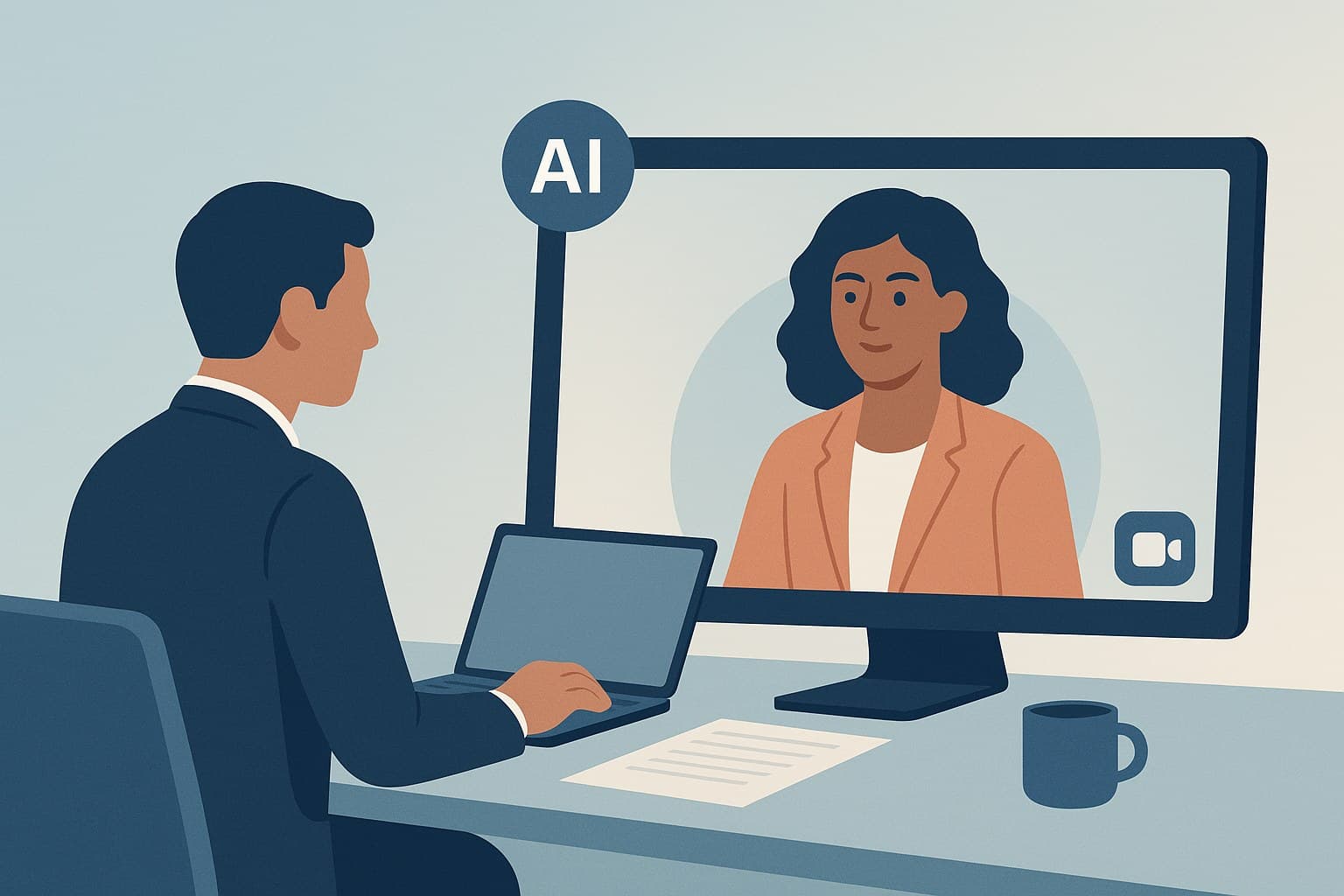
Prepare Your Environment: For virtual interviews, ensure your surroundings are quiet and free of distractions. For in-person interviews, plan your route and arrive early to avoid last-minute stress.
-
Develop a Pre-Interview Routine: Establish a routine that helps ground you. This could include listening to calming music, reviewing your notes, or doing a brief meditation.
-
Practice Positive Self-Talk: Replace negative thoughts with positive affirmations. Remind yourself of your skills and why you are a strong candidate for the position.
-
Connect with the Interviewer: Building rapport can ease tension. Start with a friendly greeting and engage in small talk if appropriate. This can make the interview feel more like a conversation rather than an interrogation.
By following these steps, you can reduce anxiety and increase your chances of performing well during interviews.
Anonymous Scenarios and Common Pitfalls
Consider the scenario of a recent graduate preparing for their first job interview. They feel overwhelmed by the process and fear making a mistake that could cost them the job. They may fall into common pitfalls such as over-rehearsing, which can lead to sounding robotic, or under-preparing, which can cause them to freeze during unexpected questions.
To avoid these pitfalls, they focus on understanding the interview's purpose—not just to assess skills but also to gauge fit within the company culture. They prepare by researching the company and practicing responses but remain flexible to adapt as needed. They also practice relaxation techniques to manage stress.
By learning from such scenarios and avoiding these common mistakes, any job seeker can approach interviews with greater confidence.
Conclusion
Overcoming anxiety in job interviews is not about eliminating nervousness entirely but managing it effectively to showcase your capabilities. Through preparation, understanding common triggers, and using practical strategies, you can transform anxiety into an opportunity to demonstrate resilience and competence. As you prepare for your next interview, consider what steps you can take today to reduce anxiety and present your best self. What strategies will you implement to overcome anxiety and succeed in your job interviews?
Frequently Asked Questions
Key questions often raised by business leaders and HR teams:
What are common triggers for anxiety during job interviews?
Common triggers include fear of the unknown, high stakes, lack of preparation, self-doubt, and negative past experiences.
How can I prepare to reduce anxiety before an interview?
Thorough preparation, practicing common questions, and conducting mock interviews can significantly reduce anxiety.
What techniques can help manage anxiety during the interview?
Mindfulness techniques, positive visualization, and self-compassion are effective in managing anxiety during interviews.
Is it normal to feel anxious before a job interview?
Yes, feeling anxious before a job interview is normal. It's important to recognize this and use strategies to manage it.
How can I build rapport with my interviewer?
Start with a friendly greeting, engage in small talk, and show genuine interest in the conversation to build rapport.