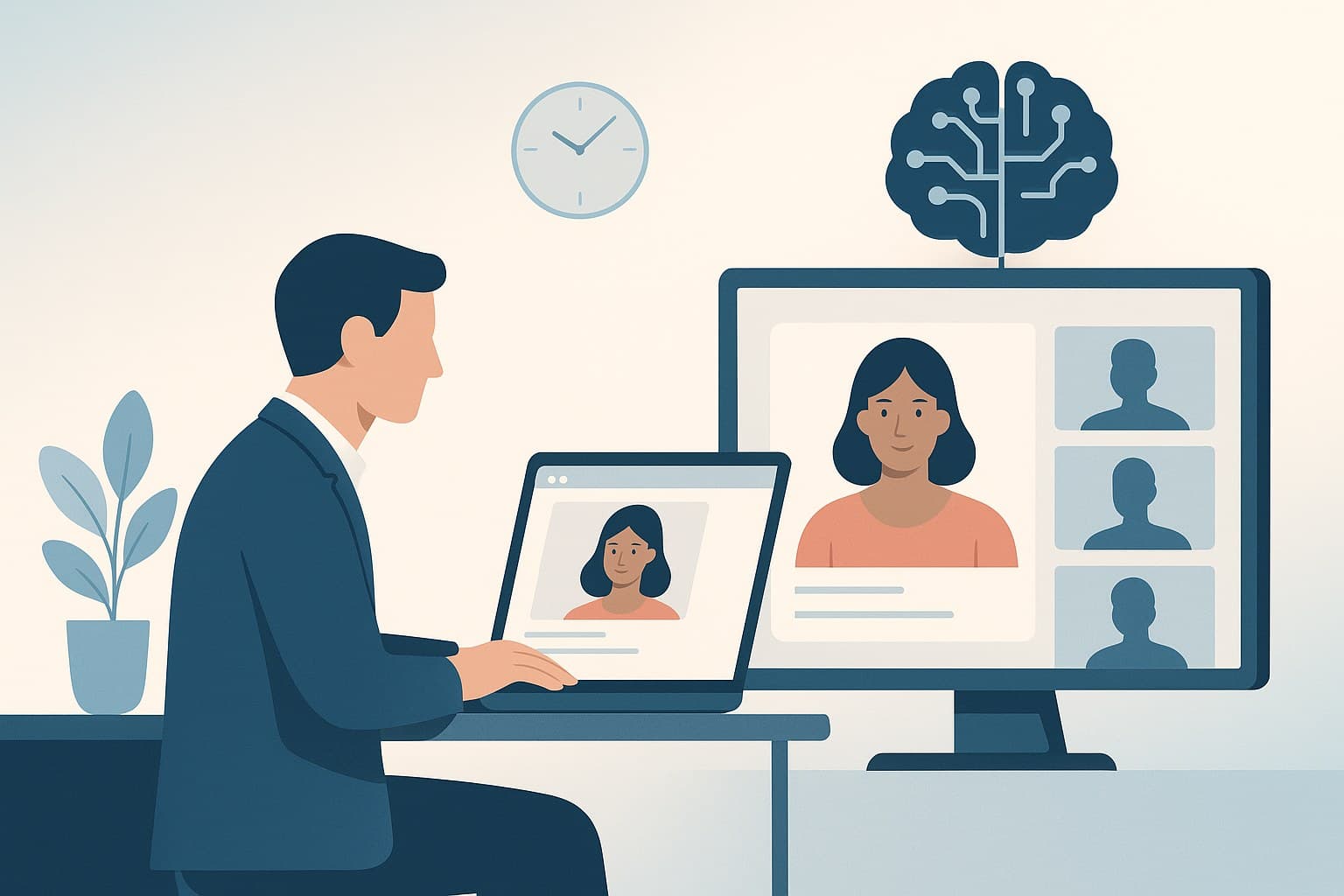
Mastering the Panel Interviews Selection Process: A Comprehensive Guide
Panel interviews can be daunting, especially when you're faced with multiple interviewers firing questions from different angles. For job seekers, career changers, and recent graduates, understanding the panel interviews selection process is crucial for making a great impression. This guide will walk you through the importance of panel interviews, common challenges, core concepts, effective strategies, and potential pitfalls to avoid. By the end, you'll be equipped with the knowledge and confidence to excel in any panel interview situation.
Why Panel Interviews Matter
Panel interviews are a common hiring practice used by organizations to streamline the selection process. These interviews involve multiple interviewers, often from different departments, assessing a candidate simultaneously. But why do companies favor this format?
Panel interviews offer a holistic view of a candidate's suitability. They allow different stakeholders in a company to evaluate a candidate's skills, personality, and cultural fit from diverse perspectives. For a job seeker, understanding this dynamic is essential. It means that your performance isn't just evaluated by one person but by a group, each with their unique expectations and criteria.
The importance of acing a panel interview lies in its ability to fast-track your application process. Impressing a panel can lead to a quicker hiring decision, giving you an edge over other candidates. Therefore, preparing for a panel interview is not just about answering questions correctly but understanding the nuances of communicating with multiple people at once.
Common Challenges in Panel Interviews
Facing a panel can be intimidating. The presence of multiple interviewers often brings pressure and anxiety, which can affect performance. Let's explore some common challenges and how to navigate them.
Firstly, maintaining eye contact with multiple interviewers can be tricky. Candidates often find themselves focusing on one interviewer, inadvertently neglecting others. This can be perceived as a lack of engagement or interest. To overcome this, practice distributing your attention evenly across the panel. A simple technique is to start your answer looking at the person who asked the question, then gradually shift your gaze to other panel members.
Another challenge is handling rapid-fire questions. In a panel setting, questions may come from different directions, testing your ability to think on your feet. This can be overwhelming. To manage this, it’s crucial to stay calm and composed. Take a moment to consider each question before responding. If necessary, you can ask for clarification to ensure you understand the question fully.
Finally, the diversity of panel members can be daunting. Each interviewer may have a different focus—technical skills, cultural fit, leadership potential, etc. Understanding the role of each panel member can help tailor your responses appropriately, showcasing a well-rounded profile that appeals to all stakeholders.
Core Concepts of Panel Interviews
To excel in panel interviews, it's vital to grasp the core concepts underlying this format. At its essence, a panel interview is designed to assess a candidate's comprehensive abilities in a condensed timeframe.
One fundamental concept is "multi-dimensional evaluation." Unlike one-on-one interviews, panel interviews provide a platform for assessing various competencies simultaneously. This includes technical knowledge, communication skills, problem-solving capabilities, and interpersonal skills. Recognizing this multi-faceted evaluation helps in preparing responses that address different competencies concurrently.
Another core concept is "collaborative assessment." Panel interviews embody a collaborative approach where interviewers cross-verify and discuss observations. This collaboration ensures a balanced evaluation, minimizing bias or subjective judgments. For candidates, this means presenting a consistent and authentic persona that can withstand scrutiny from different perspectives.
Lastly, "structured spontaneity" is key. While panel interviews follow a structured format, they value spontaneity and adaptability. Candidates who can deliver structured responses while adapting to unexpected questions demonstrate resilience and competence, crucial traits for dynamic work environments.
Effective Strategies for Success
Armed with an understanding of the importance and challenges of panel interviews, let's delve into actionable strategies to enhance your performance.
Research and Preparation: Begin by researching the company and the panelists. Knowing their roles and perspectives can help tailor your responses. Additionally, prepare by anticipating questions related to your resume, the job description, and industry trends.
Practice with Mock Panels: Simulate the interview environment with friends or mentors acting as panelists. This practice helps build confidence and improve your ability to manage multiple interactions.
Develop Clear and Concise Responses: Given the limited time in panel interviews, clarity and conciseness are paramount. Practice framing your responses in the STAR method (Situation, Task, Action, Result) to convey your points effectively.
Engage with All Panelists: As mentioned, eye contact and engagement with all panel members are crucial. Acknowledge each panelist’s question, and involve them in your narrative by using inclusive language like "as you all may know" or "your team has accomplished."
Showcase Emotional Intelligence: Demonstrate empathy, active listening, and adaptability. Acknowledge the diversity in perspectives by referencing panelists' comments or company values in your answers, showing that you understand and align with the organizational culture.
Common Pitfalls to Avoid
Understanding what not to do is as important as knowing what to do. Here are some common pitfalls candidates face during panel interviews and how to avoid them.
Overlooking Non-Verbal Cues: Non-verbal communication plays a critical role in panel interviews. Avoid closed body language, such as crossed arms or averted gaze, as it may signal disinterest or discomfort. Instead, maintain an open and approachable posture.
Monopolizing the Conversation: While it's important to convey your qualifications, be mindful not to dominate the conversation. Allow for natural pauses and give space for panelists to interject or ask follow-up questions.
Failing to Prepare for Group Dynamics: Panel interviews often reveal a candidate's ability to function in group settings. Display team-oriented behavior by acknowledging and building on others' points, showing you can thrive in collaborative environments.
Ignoring the Interview Format: Each panelist may have a different agenda. Failing to recognize this might lead to off-target answers. Tailor your responses to the panelist's area of expertise or interest for maximum impact.
Not Following Up: After the interview, it’s crucial to send a thank-you note to each panelist. This not only reinforces your interest in the position but also ensures you leave a lasting positive impression.
Conclusion
Navigating the panel interviews selection process requires understanding, preparation, and the ability to adapt to dynamic interactions. By appreciating the importance of panel interviews, recognizing common challenges, grasping core concepts, employing effective strategies, and avoiding common pitfalls, you can significantly enhance your chances of success.
As you prepare for your next panel interview, remember that it's not just about answering questions—it's about demonstrating your ability to engage, collaborate, and contribute to an organization's success. So, how will you integrate these insights into your preparation strategy for your upcoming panel interview?
Frequently Asked Questions
Key questions often raised by business leaders and HR teams:
What is a panel interview?
A panel interview involves multiple interviewers assessing a candidate simultaneously to evaluate their skills and fit for the role.
How can I prepare for a panel interview?
Research the company and panelists, practice with mock interviews, and prepare concise responses using the STAR method.
What are common challenges in panel interviews?
Common challenges include managing eye contact with multiple interviewers, handling rapid-fire questions, and addressing diverse perspectives.
What strategies can help me succeed in a panel interview?
Engage with all panelists, showcase emotional intelligence, and maintain clarity in your responses.
What pitfalls should I avoid during a panel interview?
Avoid focusing too much on one interviewer, failing to engage all panelists, and being unprepared for diverse questions.