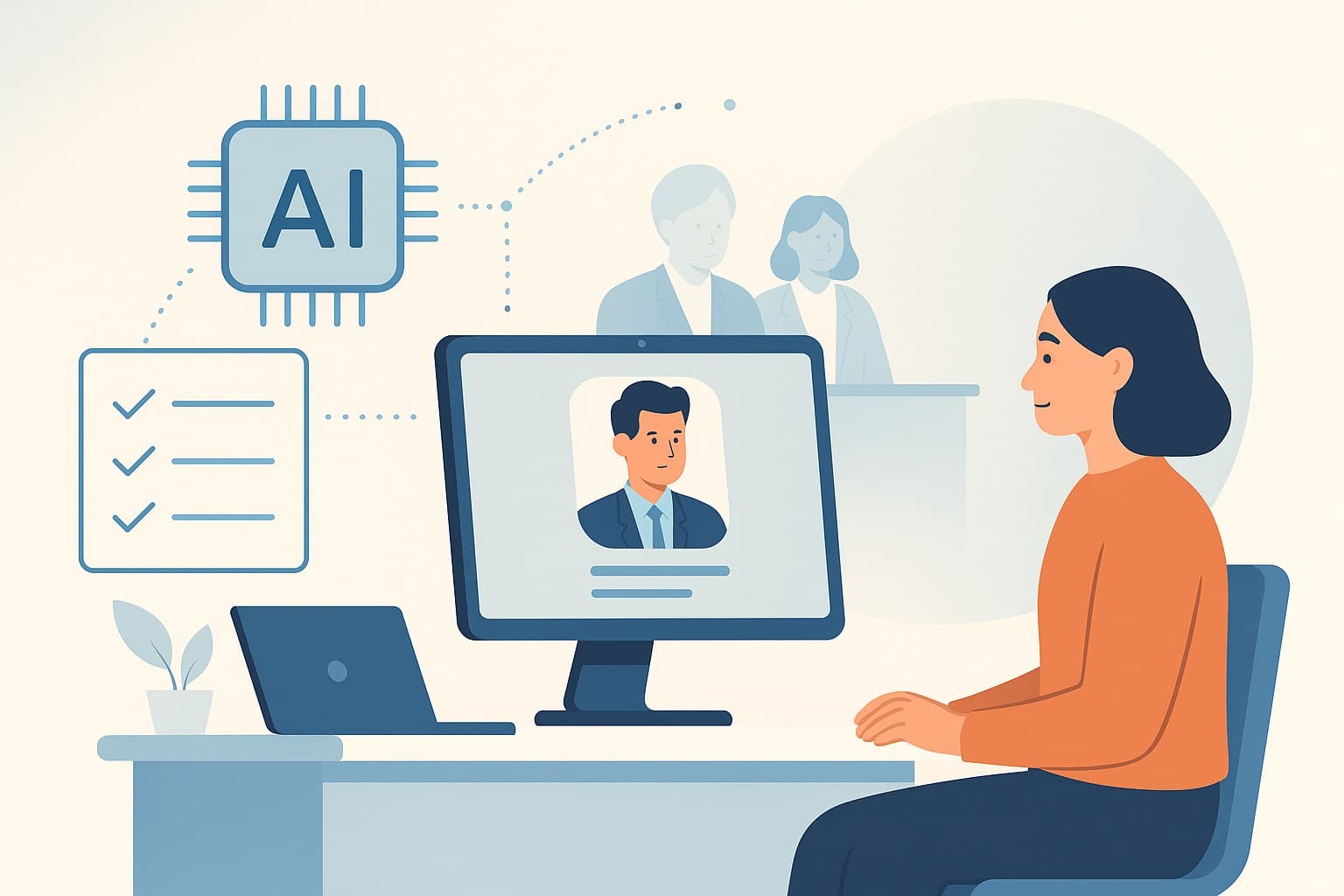
Phone vs Video Interviews: Navigating Your Path to Success
In today's increasingly digital world, job seekers often face a crucial decision: phone or video interviews? These formats are more than just different mediums; they require distinct preparation strategies and understanding. In this article, we'll explore the nuances of phone vs video interviews, providing you with actionable tips to excel in both.
Why Understanding Interview Formats Matters
The landscape of job interviews has dramatically shifted with technological advancements. Understanding the differences between phone and video interviews is crucial for job seekers. Each format presents unique challenges and opportunities, impacting how you present yourself and communicate with potential employers.
Phone interviews are often the first step in the hiring process. They are convenient and allow hiring managers to quickly gauge a candidate's qualifications. However, the lack of visual cues can make it difficult to convey energy and enthusiasm. On the other hand, video interviews provide a more personal touch, allowing both parties to interpret body language and facial expressions. Yet, they require a higher level of technical preparedness and comfort with being on camera.
Recognizing these differences is essential because they dictate how you prepare and perform. A well-prepared candidate can leverage the strengths of each format to their advantage, increasing their chances of moving forward in the hiring process.
Common Challenges in Phone Interviews
Phone interviews, while convenient, come with their own set of challenges. One significant issue is the absence of visual feedback. Without the ability to see the interviewer, candidates may struggle to gauge how well their responses are being received. This can lead to uncertainty and potentially affect the clarity and confidence of their answers.
Additionally, phone interviews often suffer from technical issues such as poor connection or background noise, which can disrupt the flow of conversation. To combat these challenges, it's essential to ensure a quiet environment and a reliable phone connection. Practicing active listening skills is also crucial, as it helps you pick up on verbal cues that might replace the visual ones you're missing.
Another common pitfall is the tendency to speak too quickly or interrupt due to the lack of visual turn-taking signals. Practicing your responses and maintaining a steady pace can mitigate this issue. Remember, clarity and patience are key in making a strong impression over the phone.
Mastering the Art of Video Interviews
Video interviews offer the advantage of visual interaction, but they also require a unique set of skills. The first and foremost is technical readiness. Ensuring that your internet connection, camera, and microphone are functioning properly is vital. A technical glitch can be distracting and may leave a negative impression on the interviewer.
Your physical environment plays a significant role in video interviews. A clean and professional background, adequate lighting, and appropriate attire contribute to the overall perception of professionalism. Unlike phone interviews, where your voice is your primary tool, video interviews require attention to body language. Maintaining eye contact, even virtually, is essential to convey engagement and sincerity.
Practicing your responses while recording yourself can be an effective way to prepare. Reviewing the recordings can help you identify any distracting habits or areas for improvement. This self-awareness can significantly enhance your video interview performance.
Preparing Effectively for Phone Interviews
Preparation is key to overcoming the challenges of phone interviews. Start by researching the company and the role for which you are applying. Having a solid understanding of the organization and its culture will enable you to tailor your responses and demonstrate genuine interest.
Creating a quiet and distraction-free environment is crucial. Inform family members or roommates of your interview schedule to avoid interruptions. Using a high-quality headset can improve sound clarity and allow you to focus solely on the conversation.
Compile a list of potential questions and practice your responses. While doing so, pay attention to your tone and pacing. Recording your practice sessions can provide valuable feedback on areas that need improvement. Finally, have a copy of your resume and any other relevant documents at hand for quick reference during the interview.
Strategies for Successful Video Interviews
To excel in video interviews, start by ensuring your technology is up to date. Test your internet connection, camera, and microphone well ahead of the interview. Familiarize yourself with the video conferencing platform the company uses to avoid last-minute technical issues.
Choose your interview space wisely. A quiet room with a neutral background and good lighting will help you present yourself professionally. Dress as you would for an in-person interview; your appearance should reflect the company's culture and the position you're applying for.
Practice speaking clearly and at a moderate pace. Use the camera as a stand-in for eye contact, and remember to smile naturally. Body language is just as important in a video interview as in person, so practice sitting up straight and keeping your gestures calm and controlled.
Navigating Interview Pitfalls and Common Mistakes
Despite thorough preparation, interviews can be unpredictable. In phone interviews, a common mistake is failing to ask questions. Engaging the interviewer with thoughtful questions demonstrates your interest and can provide valuable insights into the company.
In video interviews, technical issues can arise despite your best efforts. If this happens, remain calm and communicate the problem to the interviewer. Most hiring managers will appreciate your professionalism in handling the situation.
Another pitfall is over-rehearsing. While preparation is important, sounding too scripted can come across as inauthentic. Strive for a balance where you are well-prepared but still genuine and spontaneous in your responses.
Conclusion
Understanding the distinctions between phone and video interviews is crucial for job seekers aiming to make a strong impression. Each format demands specific preparations and presents unique challenges. By mastering the art of both phone and video interviews, you can confidently navigate the hiring process and improve your chances of success.
As you prepare for your next interview, consider which format plays to your strengths and how you can mitigate its challenges. With the right strategies and mindset, you can turn any interview into an opportunity to showcase your skills and potential. What steps will you take today to enhance your interview skills and propel your career forward?
Frequently Asked Questions
Key questions often raised by business leaders and HR teams:
What are the main differences between phone and video interviews?
Phone interviews lack visual cues, while video interviews allow for visual interaction. Each format requires different preparation strategies.
How can I prepare for a phone interview?
Research the company, create a quiet environment, and practice your responses. Having your resume handy can also help.
What should I focus on during a video interview?
Ensure your technology works properly, maintain eye contact, and pay attention to your body language and appearance.
What common mistakes should I avoid in phone interviews?
Avoid speaking too quickly and failing to ask questions. Engage the interviewer to show your interest.
How can I handle technical issues during a video interview?
Stay calm and communicate the problem to the interviewer. Most will appreciate your professionalism.