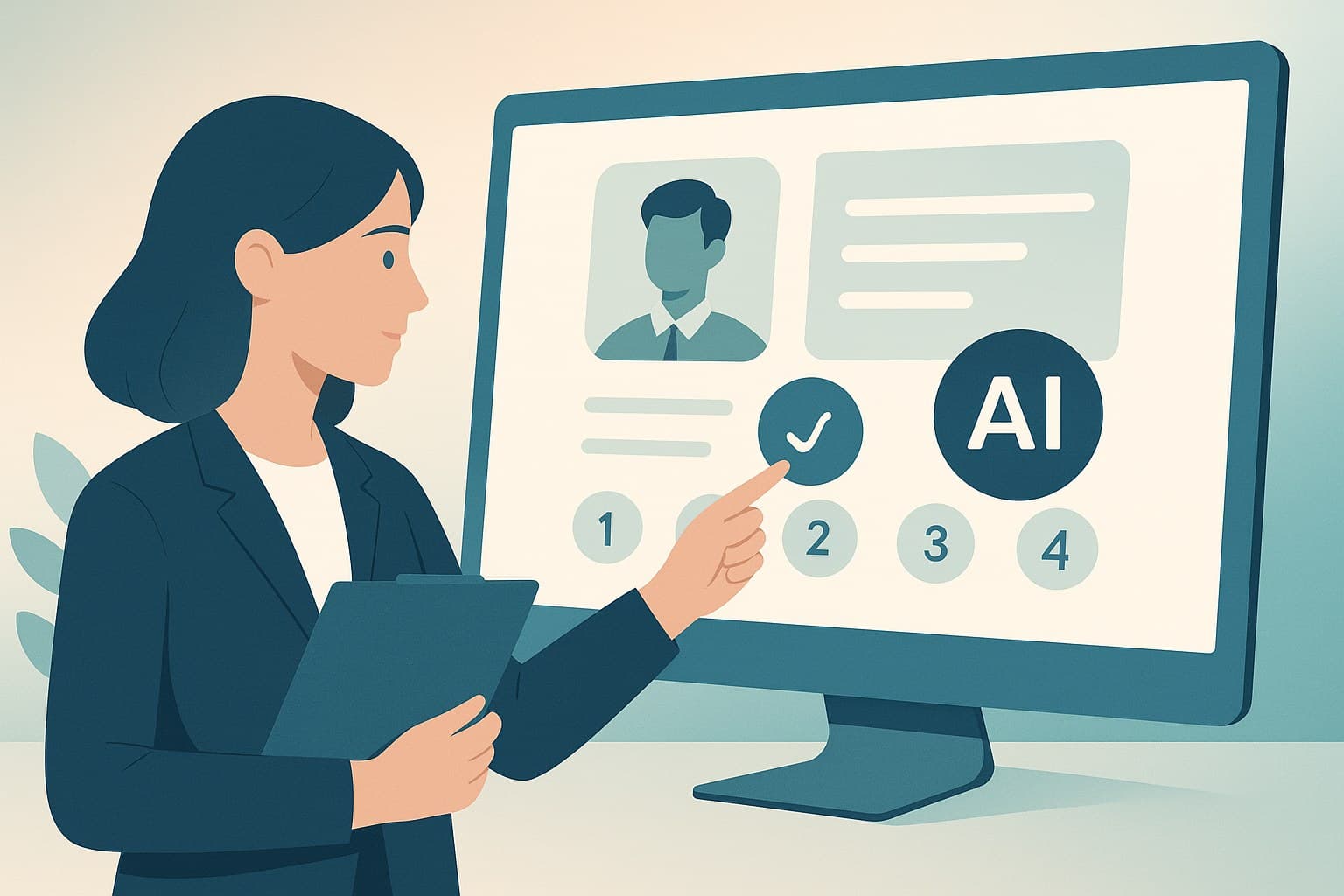
Essential Questions to Ask in Job Interviews
In today's dynamic job market, knowing the right questions to ask in job interviews is crucial for making informed career decisions. Asking insightful questions not only helps you gather essential information about the role and company but also demonstrates your genuine interest and critical thinking abilities to the employer. Whether you're a fresh graduate or a seasoned professional, understanding what to ask can set you apart from other candidates and provide clarity on whether the opportunity aligns with your career goals.
Why Asking Questions in Interviews Matters
Asking questions during a job interview is a two-way street—it’s not just about the interviewer evaluating you, but also about you assessing the company and the role. When you ask thoughtful questions, you demonstrate that you are proactive, interested, and engaged. These questions give you vital insights into the company culture, job expectations, and potential career growth, which are crucial for your long-term career satisfaction.
Interviewers often gauge your interest in the position by the questions you ask. A candidate who asks no questions or only generic questions might seem uninterested or unprepared. On the other hand, a candidate who asks specific, well-thought-out questions will likely leave a lasting positive impression. This approach can be particularly advantageous in competitive fields or roles where cultural fit is as important as technical skills.
Moreover, interviews are a chance for you to verify the job's compatibility with your personal and professional goals. By inquiring about team dynamics, management styles, and company values, you can determine if the environment suits your work style and career aspirations. Therefore, preparing the right questions is an integral part of your interview strategy.
Common Mistakes Candidates Make
Despite the importance of asking questions, many candidates make mistakes that can undermine their interview performance. One common error is failing to prepare any questions at all, which can suggest a lack of interest or initiative. It's essential to enter the interview with a list of prepared questions tailored to the specific company and role.
Another mistake is asking questions that could easily be answered by a simple search online. For example, inquiring about basic company facts or recent news that are readily available on the company website or news outlets might indicate a lack of diligence in your preparation.
Candidates sometimes make the mistake of asking purely self-serving questions, such as inquiries solely about salary, benefits, or vacation time early in the interview process. While these are important factors, focusing solely on them can give the impression that you are more interested in what the company can do for you rather than what you can contribute to the company.
Lastly, avoid asking overly critical or negative questions. While it is important to understand the challenges you might face, framing questions negatively might put the interviewer on the defensive and create an uncomfortable atmosphere.
Key Questions to Consider
To avoid common pitfalls and make a strong impression, focus on questions that provide valuable insights into the role and company culture. Here are some key questions to consider:
-
Can you describe the day-to-day responsibilities of this job?
This question helps clarify what the job will entail on a daily basis, ensuring there are no surprises about the workload or expectations. -
What are the biggest challenges the team is currently facing?
Understanding the current challenges can give you a sense of what you might be tackling and whether you have the skills and interest to address these issues. -
How do you measure success for this role?
Knowing the criteria for success will help you understand what is expected of you and how you can meet or exceed those expectations. -
Can you tell me about the team I would be working with?
Gaining insight into the team dynamics and the personalities you will be working with can help you assess whether you will fit in well with the group. -
What opportunities for professional development does the company offer?
This question shows that you are interested in growing with the company and investing in your own professional development. -
How does this role contribute to the company's larger goals?
Understanding how your role fits into the broader company strategy can provide a sense of purpose and alignment with the organization's mission.
The Role of Company Culture in Your Decision
Company culture plays a significant role in job satisfaction and career growth. During interviews, it’s important to assess whether the company culture aligns with your values and work style. Asking about the company’s values, work-life balance, and employee engagement initiatives can give you a better understanding of what it's like to work there.
For example, a hiring manager at a mid-size tech firm might emphasize their company's commitment to innovation and collaboration. If you thrive in environments that prioritize teamwork and continuous improvement, this could be a good fit for you. Conversely, if the company describes a highly competitive and individualistic culture, and you prefer collaborative environments, this might be a red flag.
Additionally, inquiring about how the company has handled challenges or changes, like the recent shifts towards remote work, can provide insight into its adaptability and resilience. A company that can adapt to change is likely to provide a stable and supportive environment for its employees.
How to Prepare Your Questions
Preparation is key to asking insightful questions. Start by researching the company thoroughly. Look at their website, news articles, and employee reviews to understand their values, recent developments, and any challenges they might be facing.
Next, tailor your questions to the specific role you’re applying for. Consider what aspects of the job are most important to you, such as growth opportunities, team dynamics, or the impact of your work. Formulate questions that will help you gather the information you need to make an informed decision.
Practice your questions with a friend or mentor to ensure they are clear and concise. This rehearsal can also help you feel more confident during the actual interview. Remember, good questions often lead to meaningful discussions, so prepare to engage in a dialogue rather than just a Q&A session.
Avoiding Common Interview Traps
Even with preparation, interviews can present unexpected challenges. Being aware of common traps can help you navigate these situations more effectively.
One trap is being too focused on impressing the interviewer. While it's important to present yourself well, remember that the interview is also about evaluating if the company is the right fit for you. Don't be afraid to ask questions that matter to you, even if they seem challenging.
Another trap is getting flustered by unexpected questions or topics. If an interviewer brings up a topic you're unprepared for, take a moment to think before responding. It's better to give a thoughtful answer after a brief pause than to rush into a response that you might regret.
Finally, avoid being overly negative about past experiences or employers. Even if you had negative experiences in previous roles, focus on what you learned from those experiences and how they have prepared you for future opportunities.
Conclusion
Asking the right questions in job interviews is a powerful strategy for making informed career decisions. By preparing thoughtful questions, you demonstrate your interest in the role and gain valuable insights into the company and position. Remember to focus on questions that provide clarity on the job responsibilities, team dynamics, company culture, and growth opportunities. With the right preparation and mindset, you can use these questions to not only impress potential employers but also ensure that the position aligns with your career aspirations. What questions will you ask in your next interview to make the most of the opportunity?
Frequently Asked Questions
Key questions often raised by business leaders and HR teams:
Why is it important to ask questions in a job interview?
Asking questions shows your interest in the role and helps you assess if the company is a good fit for you.
What are some key questions I should prepare for my interview?
Consider asking about day-to-day responsibilities, team dynamics, and opportunities for professional development.
What mistakes should I avoid when asking questions during an interview?
Avoid asking generic questions, focusing only on salary, or being overly critical in your inquiries.