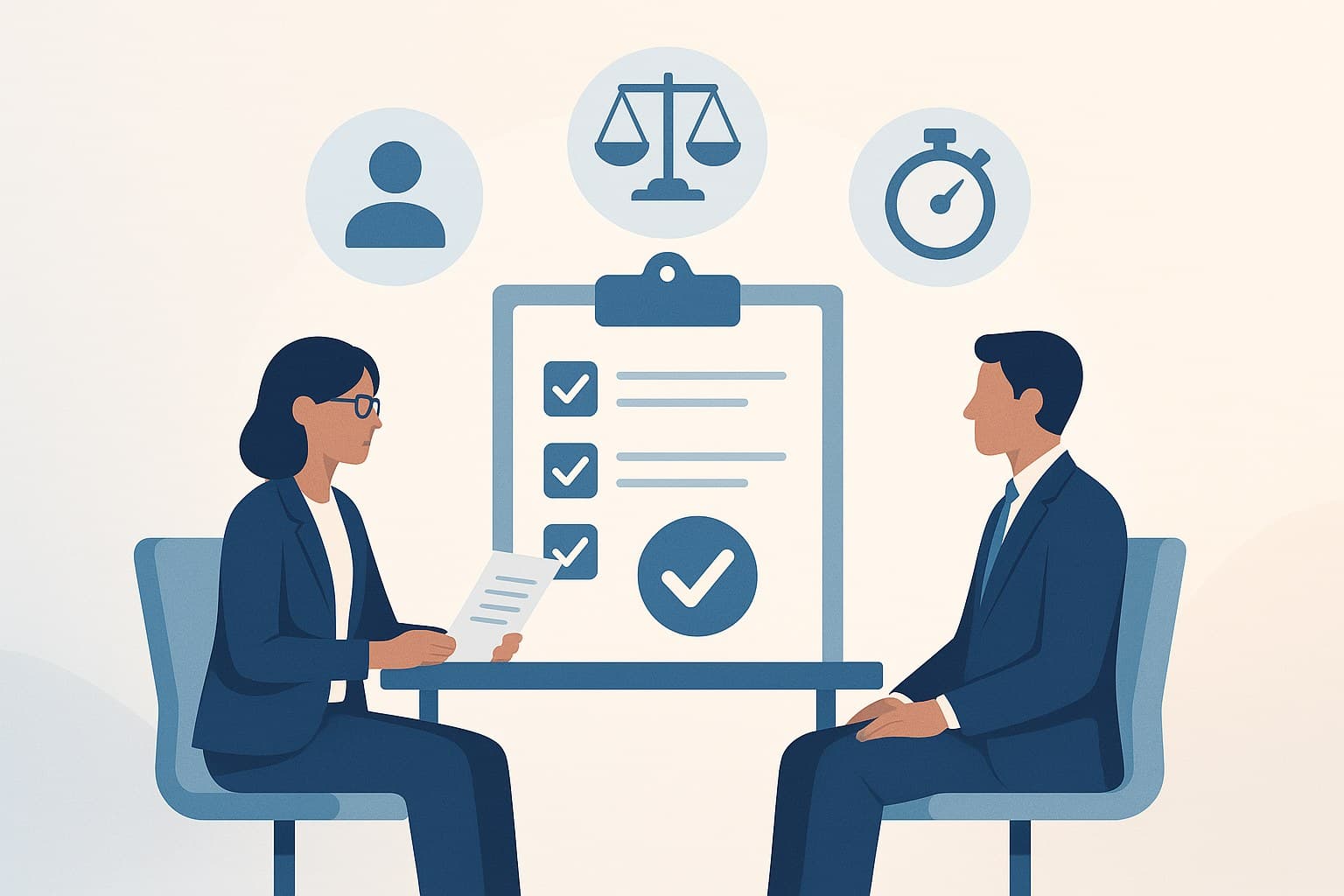
Essential Questions to Ask During a Job Interview
In the competitive landscape of job hunting, knowing the right questions to ask during a job interview can make a significant difference. These questions not only demonstrate your interest in the role but also help you assess whether the job aligns with your career goals. In this article, we will explore the best strategies for formulating insightful questions that can give you an edge in your next job interview.
Why Asking the Right Questions is Important
During a job interview, asking the right questions is crucial for several reasons. Firstly, it allows you to gather information about the company's culture, values, and expectations. For instance, a hiring manager at a mid-size tech firm may appreciate a candidate who inquires about the company’s approach to innovation and employee development. This shows that the candidate is not only interested in the job but also in contributing to the company's long-term success.
Moreover, asking thoughtful questions can help you stand out from other candidates. It demonstrates your preparedness and genuine interest in the role, which can leave a lasting impression on the interviewer. Remember, interviews are a two-way street, and asking questions is your opportunity to evaluate whether the company is a good fit for you.
Lastly, well-crafted questions can reveal critical insights into the challenges and opportunities within the role. This information is invaluable when deciding whether to accept a job offer. By understanding the expectations and potential hurdles, you can better position yourself for success in the new role.
Common Mistakes Job Seekers Make
While asking questions during an interview is essential, there are common pitfalls to avoid. One frequent mistake is asking questions that could easily be answered through a quick search online. This can make you appear unprepared or uninterested. For example, asking about the company’s products or basic facts available on its website may not impress the interviewer.
Another mistake is focusing solely on salary or benefits in the initial interview stages. While compensation is a critical aspect of any job, early interviews should focus more on understanding the role and the company. Questions about salary are best reserved for later stages or when an offer is on the table.
Additionally, some candidates make the error of asking overly complex or convoluted questions. This can confuse both the candidate and the interviewer, leading to an awkward interaction. Keep your questions clear and concise to ensure productive dialogue.
Finally, avoid asking questions that might seem too personal or invasive. While it’s important to get a sense of the company culture, questions that delve too deeply into personal matters may be considered inappropriate.
Core Concepts for Crafting Effective Questions
Crafting effective questions requires a strategic approach. Start by researching the company and the role thoroughly. This foundation allows you to tailor your questions to the specific context of the interview. For example, if you’re interviewing for a position in a startup, you might ask about the company's growth plans and how your role would contribute to its success.
Next, consider what you want to learn from the interview. Are you interested in the team dynamics, leadership style, or opportunities for advancement? Your questions should align with your priorities and the information you need to make an informed decision.
An effective strategy is to categorize your questions into themes such as company culture, role expectations, team structure, and future opportunities. This categorization helps ensure that you cover all critical areas during the interview.
Finally, practice active listening during the interview to pick up on cues that might lead to follow-up questions. This adaptability shows your engagement and ability to think on your feet.
Specific Questions to Consider Asking
When preparing for an interview, consider these specific questions to gain valuable insights:
-
Can you describe the day-to-day responsibilities of this role? This question helps clarify what your daily work life will be like, ensuring that it aligns with your skills and interests.
-
What are the most significant challenges facing the team right now? Understanding the current challenges can help you assess the role's difficulty and the support you might need.
-
How do you measure success for this position? This question reveals the key performance indicators for the role, helping you understand the expectations and how to meet them.
-
Can you tell me more about the team I’d be working with? Learning about your potential colleagues can give you a sense of the team dynamics and whether you’d fit well within the group.
-
What are the opportunities for professional development? Asking about growth opportunities shows your ambition and helps you gauge the company's commitment to employee development.
-
How has the company evolved over the last few years? This question provides insights into the company’s stability and growth trajectory, which is crucial for your long-term career planning.
Avoiding Common Interview Traps
Despite your best efforts, interviews can sometimes veer off course. Here are strategies to avoid common traps:
- Stay On Topic: If the conversation drifts, gently steer it back by asking a question related to the role or company.
- Don’t Overshare: Keep your responses focused on professional experiences relevant to the role.
- Manage Your Time: Be mindful of the interview length and adjust your questions accordingly, ensuring you cover all important topics.
- Follow Up: If time runs out, ask if you can follow up on any unanswered questions via email. This shows persistence and interest.
Conclusion
In conclusion, asking the right questions during a job interview is a powerful way to demonstrate your interest and assess the suitability of the role for your career path. By preparing thoughtful questions, avoiding common pitfalls, and remaining adaptable during the conversation, you can leave a positive impression on your interviewer. As you prepare for your next interview, consider what questions will help you make the best decision for your career. What insights are most important to you in choosing your next professional step?
Frequently Asked Questions
Key questions often raised by business leaders and HR teams:
Why is it important to ask questions during a job interview?
Asking questions shows your interest in the role and helps you gather information about the company's culture and expectations.
What types of questions should I avoid during an interview?
Avoid questions that can be easily answered online, focus too heavily on salary early on, or delve into personal matters.
How can I prepare effective questions for my interview?
Research the company and role, categorize your questions by themes, and align them with your priorities to make informed decisions.