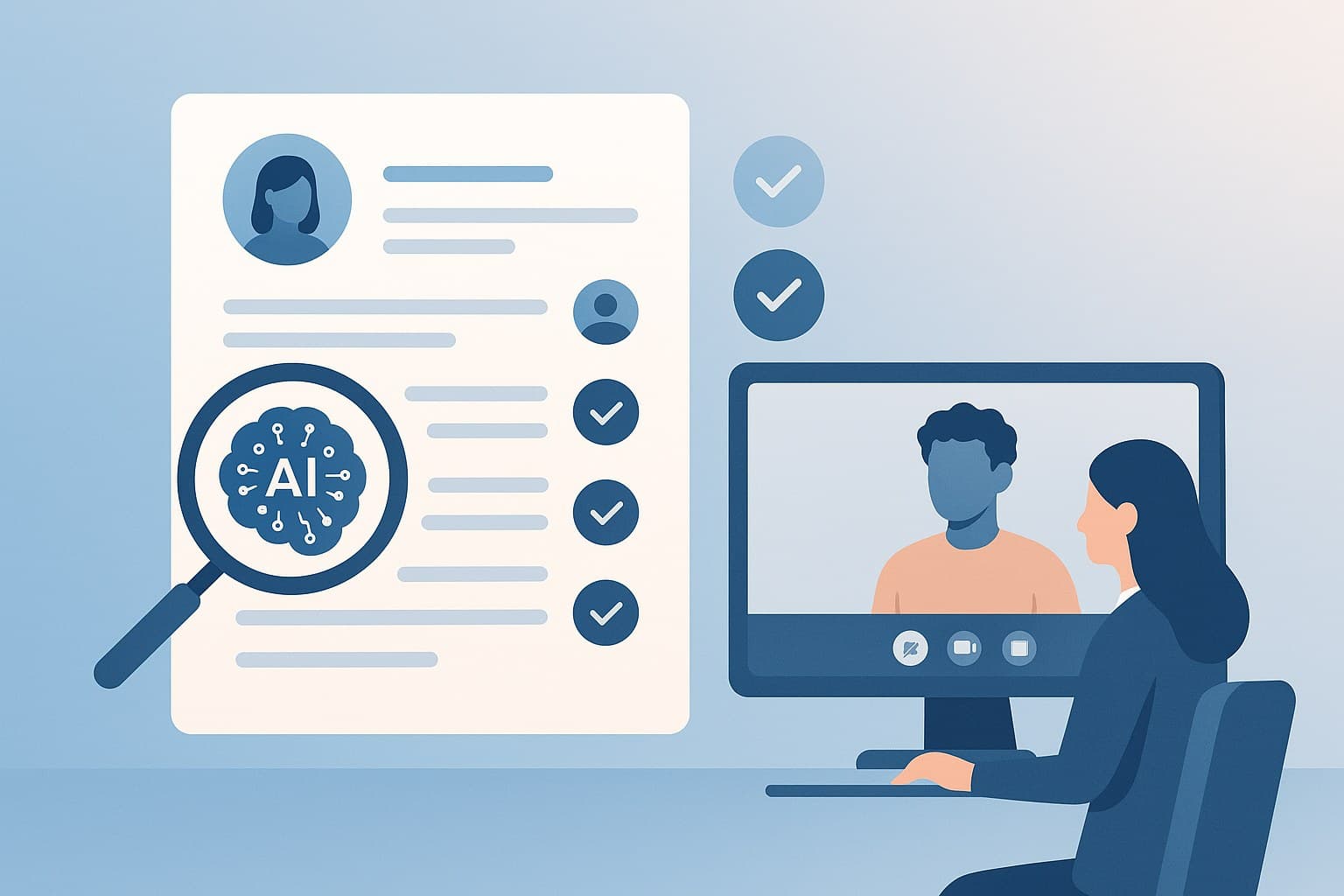
Mastering Remote Interview Techniques: Essential Tips for Success
Navigating remote interviews can be daunting, especially with the shift towards digital hiring processes. Understanding effective remote interview techniques is crucial for job seekers aiming to make a lasting impression. This article dives into the heart of remote interviews, offering actionable insights that can enhance your performance and increase your chances of landing your desired job.
Why Remote Interview Techniques Matter
In today's job market, remote interviews have become a standard practice. Employers prefer them for their convenience and efficiency, allowing for a broader talent pool beyond geographical limitations. For job seekers, mastering remote interview techniques is not just an option but a necessity.
Remote interviews strip away the in-person dynamics that many candidates rely on to make a connection. Without the opportunity to shake hands or share the same physical space, the ability to convey enthusiasm and competence is often left to a camera and microphone. This makes it imperative for candidates to adapt their approach, focusing on communication skills and technical setup to ensure they stand out.
Moreover, remote interviews often involve multiple stages, including video calls, phone screenings, and even assessments conducted online. Each stage requires specific preparation and techniques to ensure success. Understanding these nuances can be the difference between progressing in the hiring process and being overlooked.
Common Challenges in Remote Interviews
Though remote interviews offer flexibility, they also come with unique challenges. One of the most common issues is technical difficulties. Poor internet connection, malfunctioning equipment, or unfamiliarity with video conferencing software can derail an otherwise well-prepared interview. Candidates must ensure that their technology is reliable and that they are comfortable using necessary platforms before the interview begins.
Another challenge is the lack of physical presence. Body language and personal charisma are harder to convey over a screen. Candidates often find it difficult to read the interviewer's non-verbal cues, which can lead to misunderstandings or miscommunications.
Additionally, remote interviews can feel impersonal, making it hard for candidates to build rapport. This can lead to a perceived lack of engagement, which might affect the interviewer's perception of the candidate's interest in the role. Overcoming these challenges requires strategic preparation and adaptability.
Key Concepts and Principles
Understanding the core principles of effective communication is essential in remote interviews. Clarity and conciseness are paramount. Given the potential for technical glitches, it is important to articulate thoughts clearly and succinctly. This minimizes the chance of misunderstandings and keeps the conversation focused.
Another important principle is active listening. This involves not just hearing but understanding and processing the interviewer’s questions and comments. It helps in providing relevant responses and demonstrates engagement in the conversation. Techniques such as nodding, maintaining eye contact with the camera, and verbal affirmations can enhance active listening during a remote interview.
Moreover, adaptability is crucial. Remote interviews can vary significantly from one to another in terms of format and expectations. Candidates should be prepared to pivot quickly if an interview doesn't go as planned, whether due to technical issues or unexpected questions. Being flexible and maintaining a positive attitude can leave a strong impression on interviewers.
Practical Steps for Remote Interview Preparation
Preparation for a remote interview should start well before the scheduled date. First, ensure all technology is in working order. This includes checking the internet connection, testing audio and video quality, and familiarizing oneself with the video conferencing platform. Conducting a mock interview with a friend can help identify any technical issues and provide practice with the format.
Next, research the company and the role thoroughly. Understanding the company’s culture, values, and recent news can help tailor responses to align with the organization’s goals. Preparing answers to common interview questions and practicing them out loud can also boost confidence.
Another crucial step is setting up a professional interview environment. Choose a quiet, well-lit space free from distractions. Ensure the background is tidy and neutral, and the camera is positioned at eye level. Dressing professionally, even if the interview is conducted from home, can also positively influence the interviewer's perception.
Common Pitfalls and How to Avoid Them
Despite careful preparation, candidates often fall into common traps during remote interviews. One such pitfall is over-reliance on notes. While it's useful to have key points written down, reading directly from notes can appear unprofessional and disengaged. Instead, use notes as a guide and maintain a conversational tone.
Another mistake is neglecting body language. Even though the interview is virtual, maintaining good posture, making eye contact with the camera, and using hand gestures can convey enthusiasm and confidence. It’s important to remember that non-verbal communication still plays a role, albeit in a different form.
Candidates might also fail to engage the interviewer. Asking insightful questions not only demonstrates interest in the role but also helps build rapport. Questions about team dynamics, company culture, or recent projects can show that a candidate is thinking about how they can contribute to the organization.
Conclusion
Mastering remote interview techniques is essential for job seekers in today's digital hiring landscape. By understanding the importance of these techniques, recognizing common challenges, and applying practical preparation steps, candidates can significantly improve their performance in remote interviews. As you prepare for your next virtual meeting, consider how these strategies can be integrated into your approach to make a lasting impression. What unique strengths can you highlight, and how can you adapt these techniques to showcase them effectively in your next interview?
Frequently Asked Questions
Key questions often raised by business leaders and HR teams:
What are remote interview techniques?
Remote interview techniques are strategies and skills used to effectively communicate and present oneself during virtual job interviews.
How can I prepare for a remote interview?
To prepare for a remote interview, ensure your technology works, research the company, and set up a professional interview environment.
What common challenges do candidates face in remote interviews?
Candidates often face technical difficulties, challenges in conveying body language, and the impersonal nature of virtual interactions.
Why is body language important in a remote interview?
Body language remains important in remote interviews as it helps convey enthusiasm and confidence, even through a screen.
What should I avoid during a remote interview?
Avoid over-reliance on notes, neglecting body language, and failing to engage the interviewer with insightful questions.