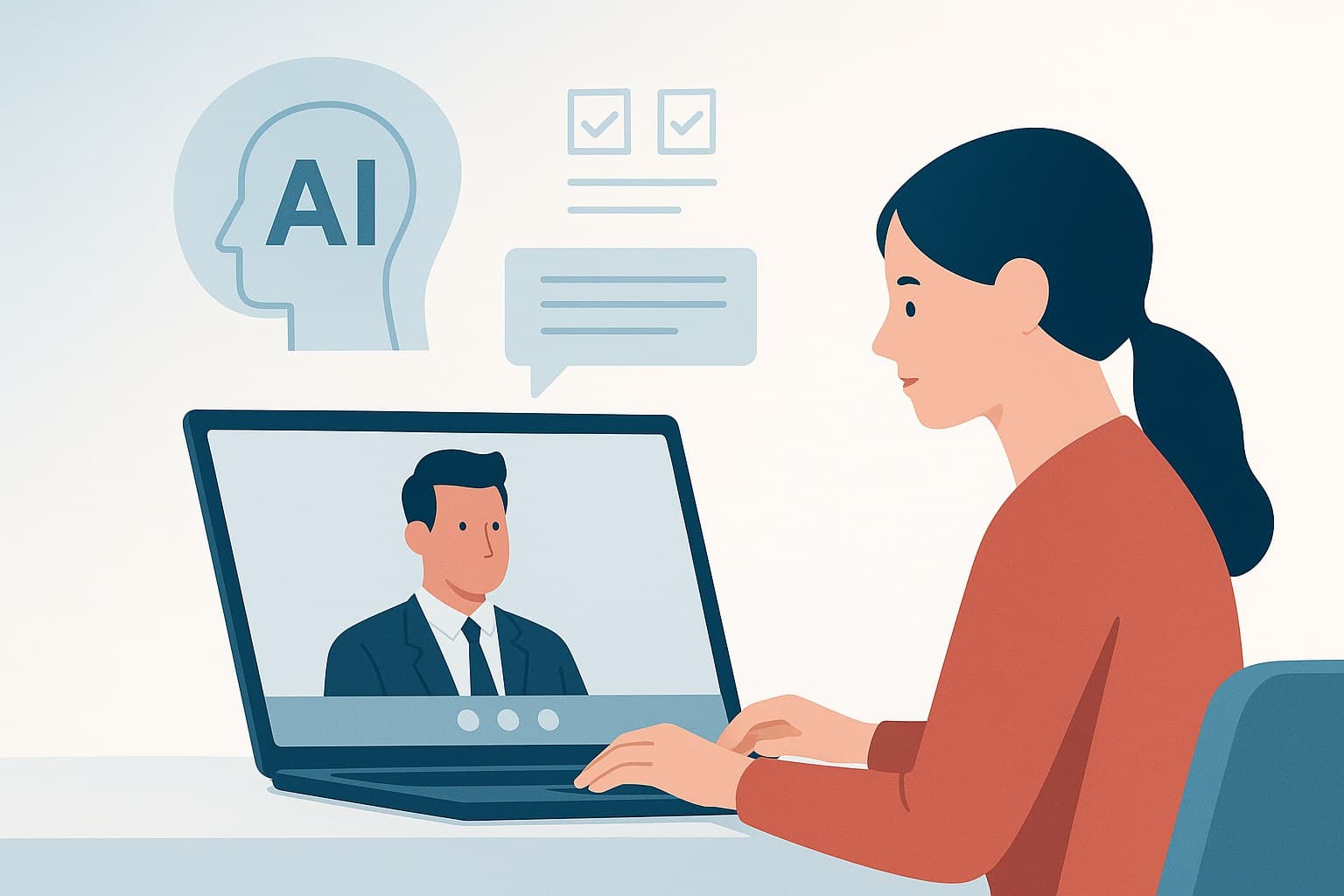
Essential Skills for Successful Job Interviews
In today's competitive job market, excelling in job interviews is crucial to securing a desirable position. Understanding the essential skills for successful job interviews can significantly increase your chances of making a positive impression. This article will explore key strategies and techniques that job seekers, career changers, and recent graduates can use to effectively prepare for and navigate job interviews.
Why Interview Skills Matter
Job interviews are more than just a formality; they are a critical step in the hiring process. Employers use interviews to evaluate a candidate's qualifications, communication skills, and cultural fit. The ability to articulate your experiences and skills confidently can set you apart from other candidates. Understanding the importance of interview skills can motivate you to invest time in developing them.
In a job interview, your resume gets you in the door, but your performance in the interview can seal the deal. It's your opportunity to provide context to your achievements and demonstrate your problem-solving capabilities. For instance, a hiring manager at a mid-size tech firm may be looking for candidates who not only have the technical expertise but also the ability to collaborate effectively within a team.
Mastering interview skills is not just about answering questions. It's about engaging in a dialogue that allows you to demonstrate your value proposition. By understanding this, you can approach interviews with the seriousness they deserve, knowing that your career progression may hinge on these interactions.
Common Pitfalls and Misconceptions
Many candidates fall into common traps during interviews, which can undermine their performance. One prevalent misconception is that an interview is a one-sided interrogation. In reality, it's a two-way conversation where you also assess if the organization aligns with your career goals.
Another pitfall is over-rehearsing responses. While preparation is key, sounding too scripted can come across as inauthentic. Instead, focus on understanding the underlying themes of common interview questions, such as leadership, teamwork, and conflict resolution. This approach allows for more natural responses that can be tailored to the specific questions asked.
Moreover, some candidates underestimate the importance of non-verbal communication. Elements like eye contact, posture, and facial expressions play a significant role in how your answers are perceived. For example, maintaining eye contact conveys confidence and honesty, while a slouched posture might suggest a lack of enthusiasm.
Recognizing these pitfalls and misconceptions can help you prepare more effectively and avoid common mistakes that diminish the impact of your interview.
Core Interview Skills Explained
Understanding the core skills required for successful job interviews can provide a roadmap for your preparation. These skills include effective communication, active listening, emotional intelligence, and adaptability.
Effective communication involves conveying your thoughts clearly and concisely. It requires you to articulate your experiences and skills in a way that aligns with the needs of the employer. Practicing how to tailor your message to different audiences can enhance this skill significantly.
Active listening is often underrated but is crucial during interviews. It allows you to fully understand the questions and respond appropriately. Active listening involves nodding, paraphrasing questions to confirm understanding, and asking clarifying questions when necessary.
Emotional intelligence is the ability to understand and manage your emotions, as well as recognize and influence the emotions of others. During an interview, this skill helps you remain calm under pressure and respond empathetically to questions.
Finally, adaptability is vital in interviews, as it demonstrates your ability to handle unexpected situations. This could mean adjusting your responses based on the interviewer's body language or the direction of the conversation. By showcasing adaptability, you demonstrate resilience and flexibility, traits that are highly valued in any workplace.
Practical Steps for Developing Interview Skills
Developing your interview skills requires deliberate practice and reflection. Here are some practical steps to enhance these skills:
-
Research the Company and Role: Understanding the company's culture, values, and the specifics of the job role can help tailor your responses to align with what the employer is seeking. For example, a candidate applying for a marketing role should be aware of the company's recent campaigns and market positioning.
-
Mock Interviews: Conducting mock interviews with a friend or mentor can provide valuable feedback. It's an opportunity to practice responding to questions and refine your delivery. Record these sessions to self-evaluate your performance and identify areas for improvement.
-
Prepare Your Stories: Use the STAR method (Situation, Task, Action, Result) to structure your answers. This method helps in providing clear and concise examples of your past experiences that highlight your skills.
-
Focus on Non-Verbal Cues: Practice maintaining eye contact, using appropriate hand gestures, and managing your facial expressions. These non-verbal cues can enhance the impact of your verbal responses.
-
Reflect on Past Interviews: After each interview, take time to reflect on what went well and what could be improved. Consider feedback from interviewers, if available, and use it to refine your approach for future interviews.
By taking these steps, you can build confidence and improve your interview performance over time.
Anonymous Scenarios and Common Traps
Consider a scenario where a job seeker, let's call her Jane, is interviewing for a project manager position. Jane has a strong resume but struggles with articulating her experiences in interviews. In her last interview, she focused too much on technical details without connecting them to project outcomes, leaving the interviewer unsure of her leadership capabilities.
To avoid this trap, Jane could use the STAR method to clearly outline her role in past projects, the challenges faced, the actions she took to address them, and the positive results achieved. By emphasizing outcomes, she can better demonstrate her ability to lead projects successfully.
Another common trap is failing to ask questions at the end of the interview. This is often viewed as a lack of interest in the role. Candidates should prepare insightful questions that show their understanding of the company and curiosity about the role. For example, asking about the team's current challenges or the company’s strategic goals can demonstrate your proactive mindset.
By learning from these scenarios, candidates can avoid common pitfalls and present themselves as well-rounded, thoughtful individuals.
Conclusion
Mastering the skills for successful job interviews requires preparation, practice, and reflection. By understanding the importance of these skills, recognizing common pitfalls, and developing core competencies, you can significantly enhance your interview performance. Remember to engage in self-reflection after each interview to continuously improve.
Investing in these skills not only helps in securing job offers but also in becoming a more effective communicator and professional. As you prepare for your next interview, consider what additional skills you might develop to further strengthen your candidacy. Are you ready to take the next step in your career journey?
Frequently Asked Questions
Key questions often raised by business leaders and HR teams:
What are the key skills needed for job interviews?
Key skills include effective communication, active listening, emotional intelligence, and adaptability. These skills help you articulate your experiences and engage with interviewers.
How can I prepare for a job interview?
Research the company, conduct mock interviews, and prepare your personal stories using the STAR method. Practicing non-verbal communication is also essential.
What common pitfalls should I avoid during interviews?
Avoid treating the interview as a one-sided interrogation and over-rehearsing your answers. Focus on being authentic and engaging in a two-way conversation.
Why is active listening important in interviews?
Active listening allows you to fully understand the interviewer's questions and respond appropriately, demonstrating your engagement and interest in the conversation.
How can I improve my non-verbal communication skills?
Practice maintaining eye contact, using appropriate gestures, and managing your facial expressions. These cues can significantly enhance the impact of your verbal responses.