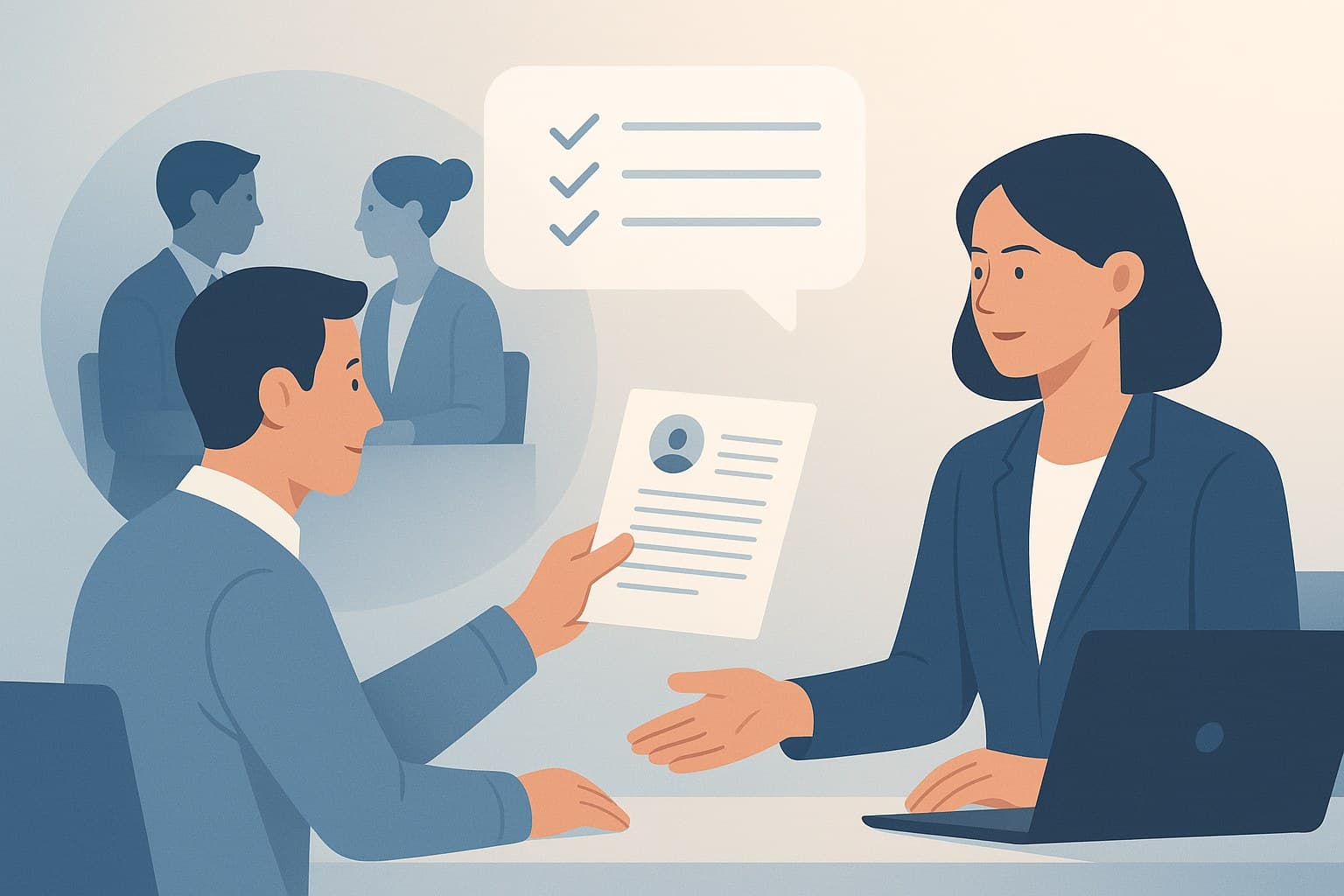
Mastering the Stages of Job Interviews: A Comprehensive Guide
Navigating the stages of job interviews can be daunting, but understanding each step can significantly boost your confidence and performance. This guide will walk you through the essential stages of job interviews, offering insights and strategies to help you secure that coveted job offer. Whether you're a recent graduate, a career changer, or a seasoned professional, mastering these stages can make all the difference in your job search.
Understanding the Importance of Each Interview Stage
Each stage of the job interview process serves a distinct purpose and understanding these can help you tailor your preparation effectively. The initial stages are typically designed to screen candidates based on basic qualifications and fit, while later stages delve deeper into your potential contributions to the company.
For instance, a hiring manager at a mid-sized tech firm might start with a phone screen to verify your experience and skills. This stage is crucial because it determines whether you'll move forward in the process. If you pass this initial screen, you'll likely be invited to a more detailed interview, where your technical and cultural fit with the company will be assessed.
Understanding why these stages are important helps you prioritize your preparation efforts. For example, acing the phone interview might require you to focus on clear communication and concise answers, while succeeding in a panel interview might involve demonstrating your problem-solving skills and team collaboration experiences.
Common Pitfalls and Misunderstandings
Despite their importance, job interviews are often misunderstood, leading to common pitfalls. One major misconception is that the interview is solely about answering questions. In reality, it's a two-way street where you also assess if the company aligns with your career goals.
A common mistake is underestimating the significance of the initial contact, such as a phone or video interview. Some candidates treat these stages too casually, assuming their resume speaks for itself. However, these early interactions set the tone for the entire process. For instance, failing to prepare properly for a video interview might result in technical glitches or distractions, which can leave a poor impression.
Another pitfall is not tailoring your responses to each stage of the interview. The questions in a behavioral interview differ significantly from those in a technical interview, and failing to adjust can hinder your performance. Recognizing these nuances and preparing accordingly can prevent these pitfalls and enhance your overall interview strategy.
Core Concepts of Job Interviews
At the heart of successful job interviews is the ability to communicate your value effectively. This involves not only showcasing your skills and experience but also demonstrating your understanding of the company's needs and how you can address them.
One fundamental concept is the STAR method (Situation, Task, Action, Result) used in behavioral interviews. This approach helps you structure your answers by describing a specific situation, the task you needed to accomplish, the actions you took, and the results of those actions. For example, if asked about a time you overcame a challenge, you might describe how you managed a project with a tight deadline, detailing your organizational strategies and the project's successful completion.
Additionally, understanding the company's culture and values can guide your responses. If the company values innovation, emphasize your creative problem-solving abilities. If teamwork is a core value, highlight experiences where you've successfully collaborated with others. This alignment not only enhances your answers but also demonstrates your genuine interest in the company.
Effective Strategies for Each Interview Stage
Preparing for each stage of the interview requires tailored strategies. Here's a breakdown of effective approaches for common interview stages:
-
Initial Screening (Phone or Video Interview): Focus on clear and concise communication. Research the company beforehand and prepare answers to common questions like “Tell me about yourself” and “Why are you interested in this position?”
-
In-Person Interview: Practice your responses using the STAR method, and prepare questions to ask the interviewer. This stage often includes behavioral and situational questions, so be ready to discuss past experiences and how they relate to the role.
-
Technical Interview: Brush up on the necessary skills and concepts relevant to the job. Practice coding problems or case studies if applicable, and be prepared to explain your thought process clearly.
-
Panel Interview: Practice addressing multiple interviewers. Focus on maintaining eye contact with everyone and ensure your answers are inclusive of the entire panel’s interests.
-
Final Interview: This stage often focuses on cultural fit. Research the company’s values and recent achievements, and be prepared to articulate why you are excited about the opportunity to join their team.
By approaching each stage with a specific strategy, you can maximize your chances of progressing to the next round and ultimately receiving a job offer.
Anonymous Scenarios and Common Traps
Consider a scenario where a job seeker is applying for a marketing position at a growing startup. During the phone screen, they impress with their knowledge of digital marketing trends but falter during the in-person interview by not providing specific examples of past successes. This highlights the importance of preparing detailed anecdotes for the in-person stage.
Another common scenario involves a candidate for a software engineering role who excels in technical skills but struggles with the behavioral interview. They fail to convey their teamwork abilities, which are crucial for the job. This underscores the necessity of preparing for all interview aspects, not just those that seem most relevant to your skills.
A frequent trap is overconfidence after a successful first interview, leading candidates to underprepare for subsequent stages. Each stage demands its unique preparation, and complacency can be detrimental.
Conclusion
Mastering the stages of job interviews is essential for any job seeker looking to secure their next opportunity. By understanding the importance of each stage, recognizing common pitfalls, and preparing effectively, you can approach each interview with confidence and clarity. Remember, each interaction is a chance to demonstrate not only your qualifications but also your enthusiasm for the role and the company. So, as you prepare for your next interview, consider what unique value you bring to the table and how you can best communicate that to potential employers. With this approach, you're not just preparing for an interview—you're paving the way for your career success.
What unique strategies have you found effective in your interview preparation? Share your thoughts and experiences as you reflect on your journey to mastering job interviews.
Frequently Asked Questions
Key questions often raised by business leaders and HR teams:
What are the main stages of a job interview?
The main stages typically include initial screening, in-person interviews, technical interviews, panel interviews, and final interviews.
How can I prepare for a phone interview?
Focus on clear communication, research the company, and prepare answers to common questions.
What is the STAR method in interviews?
The STAR method stands for Situation, Task, Action, Result, and is used to structure responses for behavioral interview questions.
Why is it important to tailor my responses for different interview stages?
Different stages assess various skills and fit, so tailoring your responses helps you align with the interviewers' expectations.
What should I do if I struggle with behavioral interview questions?
Practice using the STAR method and prepare specific examples from your past experiences to illustrate your skills.