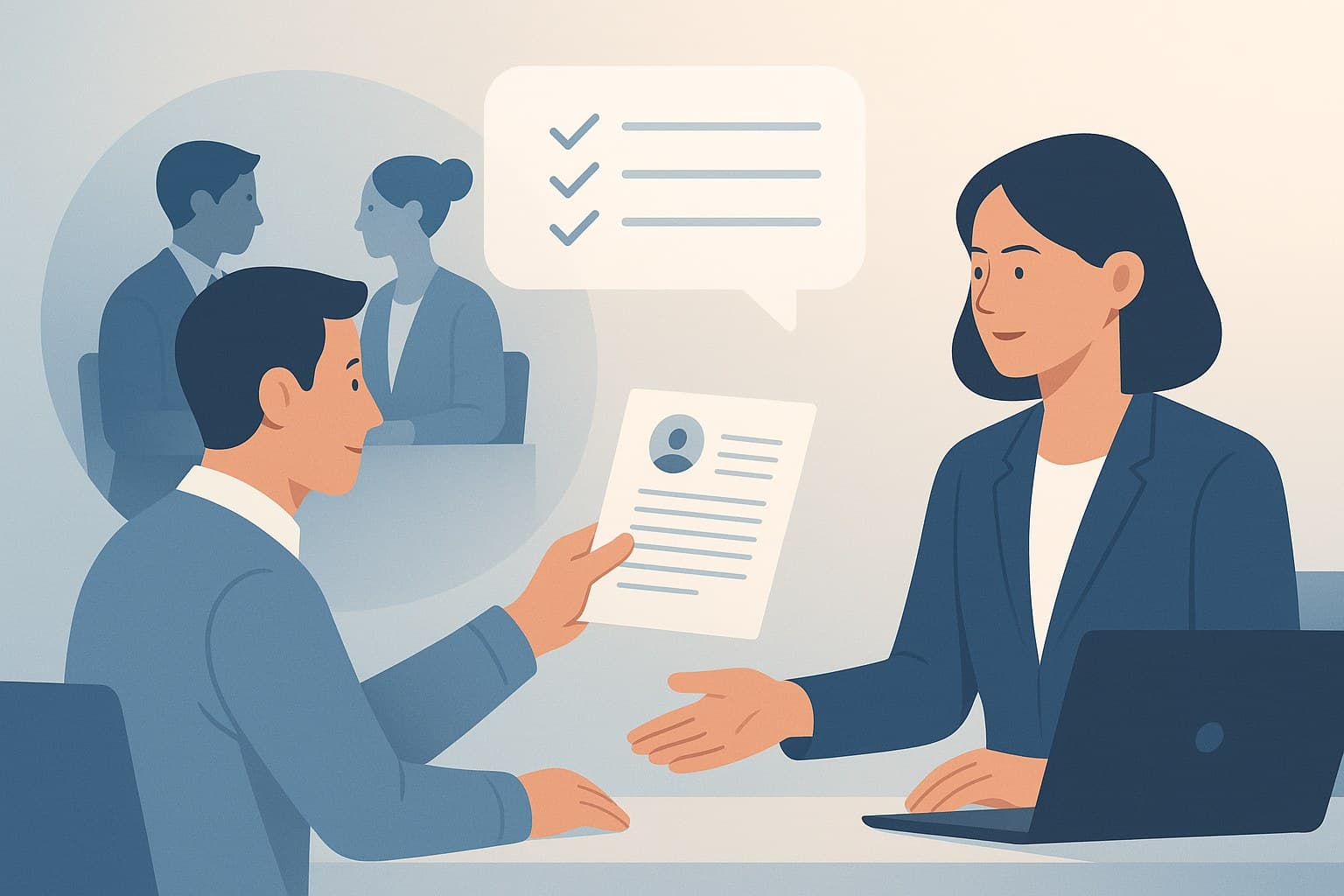
Mastering Successful Video Interviews: Key Strategies and Tips
Navigating the process of video interviews has become an essential skill in today's job market. As these virtual meetings become more prevalent, understanding how to excel in them can significantly impact your career prospects. This article delves into actionable strategies and tips for conducting successful video interviews, ensuring you leave a lasting impression on potential employers.
Understanding the Importance of Video Interviews
Video interviews are more than just a convenience for remote hiring processes; they are a critical component of modern recruitment strategies. Employers appreciate the efficiency and cost-effectiveness of video interviews, which allow them to connect with candidates globally without logistical constraints. For job seekers, mastering video interviews can open doors to opportunities otherwise inaccessible.
Despite their convenience, video interviews present unique challenges. Unlike in-person meetings, video interviews require candidates to convey their qualifications and personality through a screen, making it vital to refine communication skills and technical proficiency. Understanding these nuances is crucial for anyone looking to succeed in a competitive job market.
Common Challenges and How to Overcome Them
One of the most significant challenges of video interviews is the lack of physical presence, which can affect how candidates express enthusiasm and confidence. Unlike face-to-face interactions, where body language plays a significant role, video calls require candidates to adapt their communication style to the medium.
To overcome this, candidates should focus on clear and articulate speech. Practicing responses to common interview questions can help maintain fluency under pressure. Additionally, maintaining eye contact with the camera instead of the screen can create a more engaging presence, simulating the effect of a direct conversation.
Technical issues are another frequent obstacle in video interviews. From poor internet connectivity to inadequate lighting, these issues can detract from your presentation. Ensuring a stable internet connection, using a high-quality camera, and setting up proper lighting can help mitigate these problems. Conducting a test call before the interview can help identify and resolve any technical glitches in advance.
Preparing for a Video Interview
Preparation is key to performing well in a video interview. Start by researching the company thoroughly. Understanding the company's values, culture, and recent developments will enable you to align your responses with their objectives, demonstrating your interest and fit for the role.
Setting up a professional environment is equally important. Choose a quiet, well-lit space free from distractions. A neutral background helps keep the focus on you, while appropriate attire should reflect the company’s culture, just as it would in an in-person interview.
Practice is another crucial aspect of preparation. Conduct mock interviews with a friend or mentor to receive feedback on your performance. This practice can help you become more comfortable with the format and refine your responses to potential questions.
Effective Communication Techniques
Communication in video interviews requires a balance of verbal and non-verbal cues. Clarity and conciseness in your answers are essential, as video calls may have time constraints. Structuring your responses using the STAR method (Situation, Task, Action, Result) can help you convey your experiences effectively.
Non-verbal communication, such as facial expressions and gestures, still plays a role in video interviews. Smiling appropriately and using hand gestures to emphasize points can enhance your engagement. However, it is important to avoid excessive movements that can be distracting.
Listening actively is another vital skill. Ensure that you understand the questions fully before responding. If necessary, ask for clarification to demonstrate your attentiveness and desire to provide accurate responses.
Navigating Common Pitfalls and Mistakes
Several pitfalls can hinder your performance in a video interview. One common mistake is failing to address technical issues beforehand, which can lead to interruptions and a negative impression. As mentioned earlier, testing your equipment is crucial.
Another frequent error is underestimating the importance of body language. Even in a virtual setting, your posture and facial expressions convey confidence and professionalism. Sitting up straight and maintaining a pleasant demeanor can positively influence the interviewer's perception.
Avoiding distractions is vital. Ensure that your phone is on silent and that you are not interrupted by notifications. Inform household members of your interview schedule to minimize background noise and interruptions.
Leveraging Post-Interview Strategies
The interview doesn't end when the video call does. Following up with a thank-you email is a professional courtesy that can reinforce your interest in the position. Mention specific points from the interview to personalize your message, showing that you were fully engaged.
Reflecting on your performance is also beneficial. Consider what went well and what could be improved for future interviews. This self-assessment can help you identify areas for growth and refine your approach for subsequent opportunities.
Conclusion
Successful video interviews are a culmination of preparation, effective communication, and post-interview strategies. By understanding the unique challenges of this medium and implementing the techniques discussed, you can enhance your performance and increase your chances of landing the job. As you prepare for your next video interview, reflect on these strategies and consider how they can be tailored to your personal style and the specific role you seek. What steps will you take today to ensure your next video interview is a success?
Frequently Asked Questions
Key questions often raised by business leaders and HR teams:
What are the key elements of a successful video interview?
Key elements include thorough preparation, effective communication, and a professional environment. Practicing responses and ensuring technology works smoothly are also crucial.
How can I overcome technical issues during a video interview?
To overcome technical issues, ensure a stable internet connection, use good quality equipment, and conduct a test call before the interview to identify potential problems.
What should I wear for a video interview?
Your attire should be professional and reflect the company's culture. Dressing appropriately helps convey seriousness and respect for the interview process.
How important is body language in a video interview?
Body language remains important in video interviews. Maintaining good posture, making eye contact with the camera, and using appropriate facial expressions can enhance your engagement.
What should I do after a video interview?
After a video interview, send a thank-you email to the interviewer, mentioning specific points discussed. This reinforces your interest and professionalism.