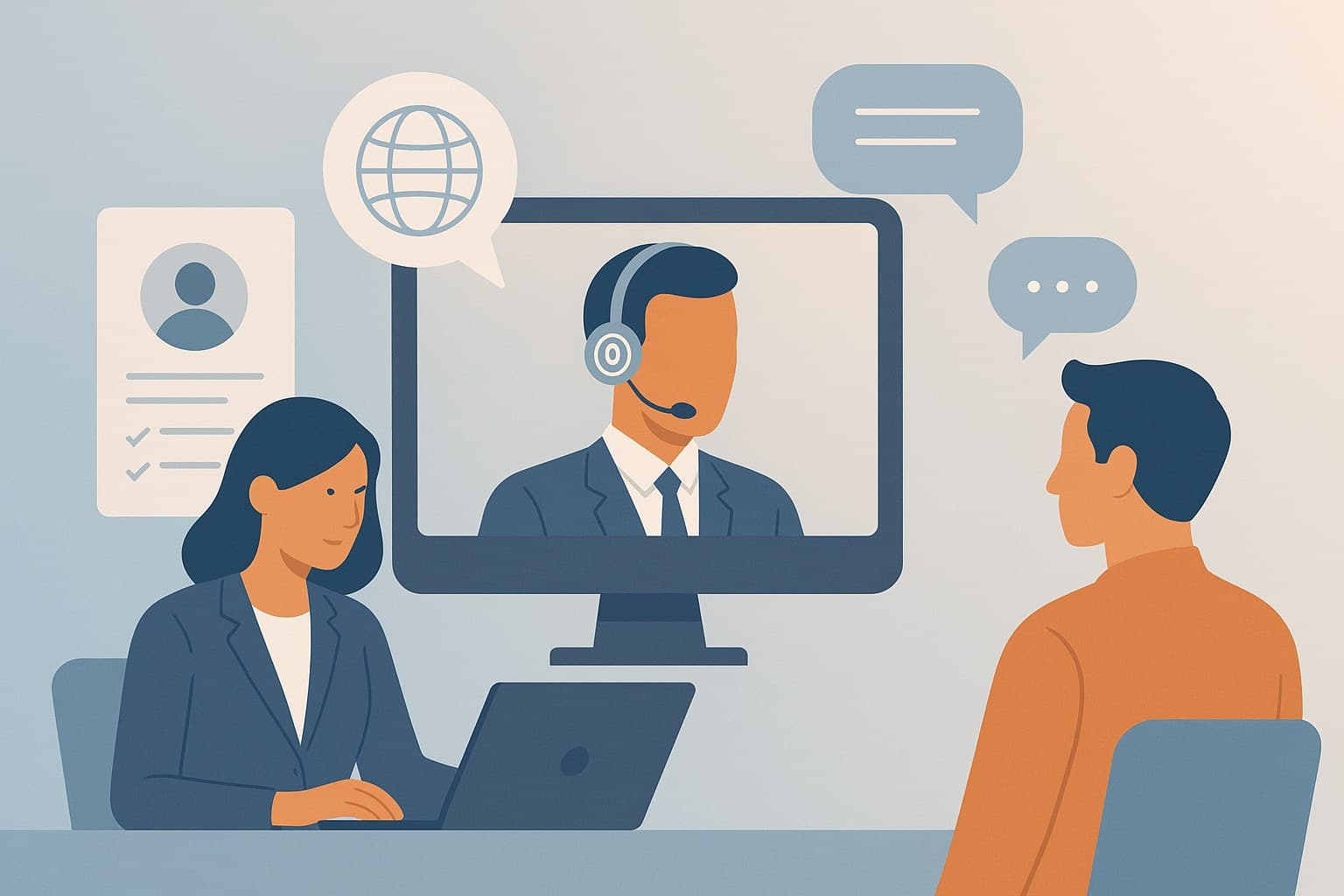
Successful Virtual Interview Tips for Job Seekers
Navigating the digital landscape of job interviews can be daunting, especially with the shift to virtual formats. With remote work becoming more prevalent, mastering virtual interviews is crucial for job seekers, career changers, and recent graduates. This article offers actionable insights into excelling in virtual interviews, ensuring you leave a lasting impression on potential employers.
Understanding the Importance of Virtual Interviews
Virtual interviews have become a standard part of the hiring process, especially as companies embrace remote work. The convenience and efficiency of virtual interviews make them appealing to employers, but they also present unique challenges for candidates. Understanding these challenges is essential for success.
Virtual interviews eliminate geographical barriers, allowing candidates from different locations to apply for positions they might not have considered otherwise. This increased accessibility means more competition, making it vital to stand out. Employers also appreciate the time and cost savings, as virtual interviews reduce the need for physical space and travel expenses.
However, the virtual format can make it harder to convey personality and build rapport. Non-verbal cues, such as body language and eye contact, are less apparent on screen, potentially affecting the interviewer's impression. Technical issues, such as poor internet connection or software glitches, can also create barriers.
Recognizing these factors emphasizes the need for thorough preparation. By understanding the importance of virtual interviews, candidates can approach them with the right mindset, focusing on strategies to overcome the inherent challenges.
Common Mistakes in Virtual Interviews
Despite the convenience of virtual interviews, candidates often make mistakes that can be easily avoided with proper preparation. Identifying these common pitfalls is the first step toward ensuring a successful interview experience.
One frequent error is neglecting the technical setup. Candidates might assume their equipment is ready, only to face issues like poor audio quality or an unstable internet connection during the interview. It's crucial to test all technical aspects well in advance. This includes checking your microphone, camera, and internet speed.
Another mistake is failing to dress appropriately. While interviews from home might feel casual, it's essential to dress professionally. This not only shows respect for the interviewer but also helps you mentally prepare and feel confident.
Background distractions can also derail an interview. A cluttered or noisy environment can be distracting and unprofessional. Ensure your background is neutral and free from interruptions. Consider using a virtual background if your physical setting is less than ideal.
Lastly, candidates often underestimate the importance of body language. In a virtual setting, it's vital to maintain eye contact with the camera and use expressive gestures to convey enthusiasm. These non-verbal cues can help bridge the digital gap and create a more engaging interaction.
By recognizing and addressing these common mistakes, you can present yourself as a well-prepared and professional candidate, increasing your chances of success.
Core Concepts of Virtual Interviewing
Understanding the core concepts of virtual interviewing can significantly enhance your performance. These principles focus on communication, presentation, and adaptability, all crucial in a digital setting.
Effective communication is paramount. Given the limitations of virtual platforms, clear and concise communication becomes even more critical. Practice articulating your thoughts succinctly and avoid rambling. Use a structured approach to answer questions, such as the STAR method (Situation, Task, Action, Result), to provide clear and impactful responses.
Presentation involves more than just your attire. It encompasses your entire on-screen presence. Pay attention to your facial expressions, tone of voice, and pacing. A well-modulated voice and positive demeanor can make a significant difference in how you are perceived.
Adaptability is another crucial concept. Virtual interviews often involve unexpected challenges, such as technical issues or changes in format. Demonstrating flexibility and problem-solving skills can impress interviewers. Prepare for different scenarios, such as handling a video call drop or switching to a phone interview if necessary.
Understanding these core concepts helps candidates navigate virtual interviews with confidence, ensuring they present themselves effectively despite the digital medium.
Preparing for a Virtual Interview
Preparation is key to a successful virtual interview. By investing time in the preparation process, you can ensure a smooth and impactful interview experience.
Start by researching the company thoroughly. Understand its culture, mission, and recent developments. This information will help tailor your responses and demonstrate your genuine interest in the position.
Next, practice common interview questions. Rehearsing your answers can significantly boost confidence and ensure you articulate your thoughts clearly. Consider recording practice sessions to evaluate your performance and identify areas for improvement.
Technical preparation is equally important. Ensure your equipment is ready and conduct a trial run with a friend or family member to identify potential issues. Familiarize yourself with the interview platform, whether it's Zoom, Skype, or another tool, to avoid any last-minute surprises.
Create a professional environment for the interview. Ensure good lighting, a neutral background, and minimal distractions. Your setup should reflect the same professionalism you'd exhibit in an in-person interview.
Finally, prepare questions for the interviewer. Thoughtful questions can demonstrate your interest and engagement, leaving a positive impression. Focus on aspects like company culture, team dynamics, and future projects to gain valuable insights.
By thoroughly preparing for all aspects of the interview, you can approach the virtual setting with confidence, maximizing your chances of success.
Navigating Common Pitfalls and Challenges
Virtual interviews come with their own set of challenges, but understanding how to navigate these pitfalls can set you apart from other candidates.
Technical difficulties are a primary concern. Always have a backup plan, such as a secondary device or an alternate internet connection. If issues arise during the interview, communicate promptly with the interviewer and suggest feasible solutions, such as switching platforms or rescheduling.
Managing time effectively is another challenge. Virtual interviews might have a more flexible structure, but it's essential to respect the interviewer's time. Keep your responses concise and relevant, avoiding long-winded answers that could derail the conversation.
Building rapport can be more challenging online, but it's not impossible. Use the first few minutes of the interview for light conversation to establish a connection. Show genuine interest in the interviewer and the company, and use positive body language to convey enthusiasm.
Handling unexpected questions requires adaptability. If you're faced with a question you haven't prepared for, take a moment to think before responding. It's better to pause and deliver a thoughtful answer than to rush and provide a weak response.
By anticipating and preparing for these challenges, you can handle virtual interviews with poise and professionalism, making a memorable impression on potential employers.
Conclusion
Virtual interviews are a critical component of the modern job search process. By understanding their importance, avoiding common mistakes, and mastering core concepts, you can effectively prepare for and navigate these interviews. Adopting a proactive approach to preparation and anticipating challenges will help you project confidence and competence, setting you on the path to career success. Are you ready to take your virtual interviewing skills to the next level?
Frequently Asked Questions
Key questions often raised by business leaders and HR teams:
What are the most common mistakes in virtual interviews?
Common mistakes include neglecting technical setup, dressing inappropriately, and failing to minimize background distractions.
How can I prepare for a virtual interview?
Research the company, practice common interview questions, and ensure your technical setup is ready to go before the interview.
What should I focus on during a virtual interview?
Focus on clear communication, maintaining eye contact with the camera, and presenting a professional on-screen presence.
Is it important to dress professionally for a virtual interview?
Yes, dressing professionally shows respect for the interviewer and helps you feel more confident.
How can I handle technical issues during a virtual interview?
Stay calm and adaptable; have a backup plan, such as switching to a phone call if necessary.