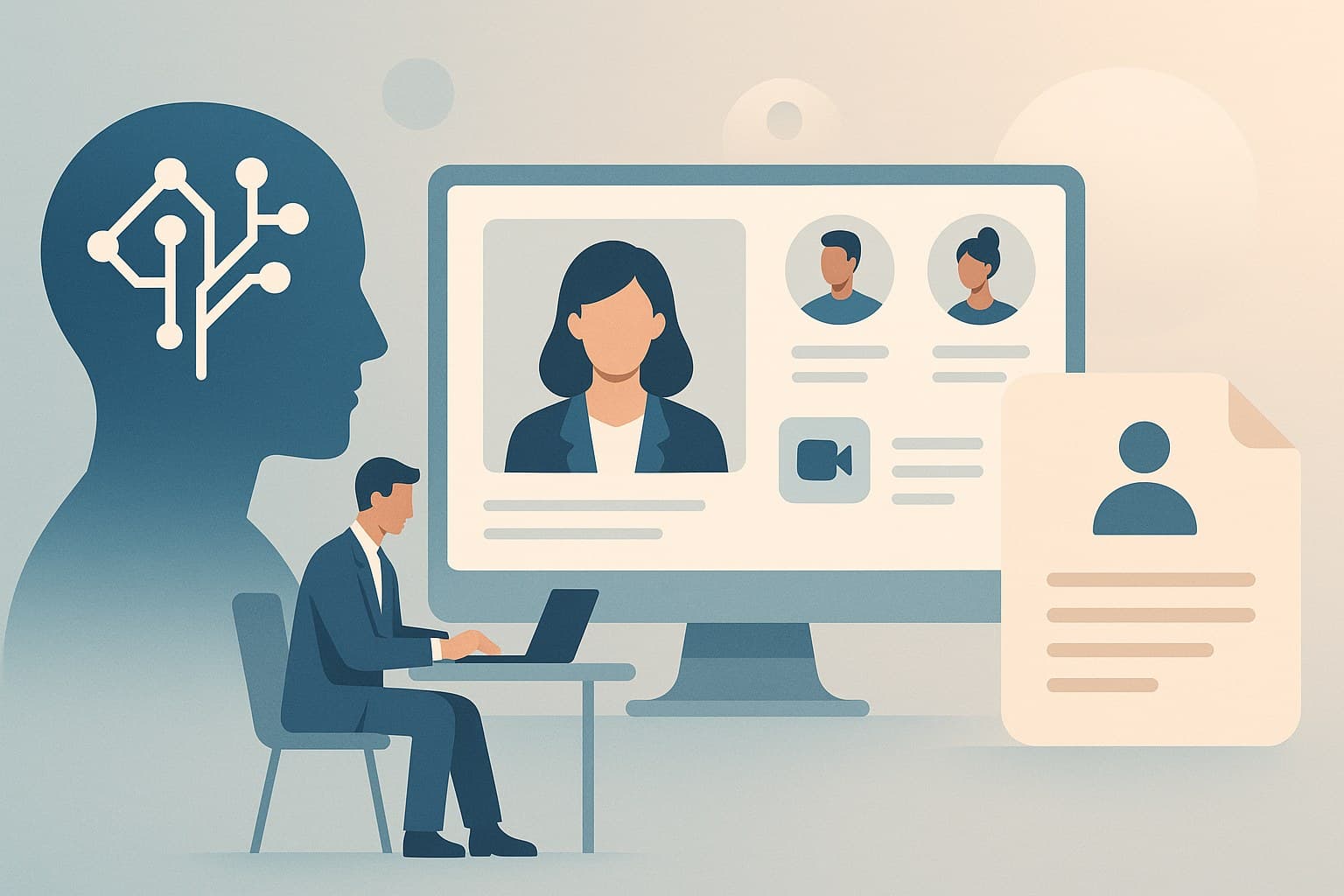
Essential Video Interview Tips for Job Seekers
In today's digital age, video interviews have become a crucial step in the hiring process. Whether you're a recent graduate or a seasoned professional, understanding how to navigate this format is essential. Video interviews can be intimidating, but with the right preparation and mindset, you can make a lasting impression. Let's dive into practical tips that will help you excel in your next video interview.
Understanding the Importance of Video Interviews
Video interviews have grown in popularity as companies continue to expand their global reach and embrace remote work models. This mode of interviewing allows hiring managers to connect with candidates from anywhere in the world efficiently. For job seekers, this means adapting to new technologies and communication methods. The convenience of video interviews does not lessen their importance; rather, it amplifies the need to present oneself professionally.
First impressions matter significantly in video interviews. Unlike in-person meetings, candidates are often evaluated solely based on what is visible on the screen. This includes your background, attire, and how you communicate verbally and non-verbally. Understanding the weight of these factors is the first step toward successful video interviewing.
Common Pitfalls and Misconceptions
Navigating video interviews involves avoiding several common pitfalls. One prevalent misconception is that video interviews require less preparation than in-person meetings. This could not be further from the truth. While you may be in a comfortable home environment, a lack of preparation can lead to technical failures, poor communication, and a negative impression.
Another frequent issue is underestimating the importance of non-verbal communication. In video interviews, your facial expressions, gestures, and even eye contact play a significant role in how you are perceived. Many candidates focus solely on their verbal responses and neglect these aspects, which can detract from their overall presentation.
Technical problems also pose significant challenges. From unstable internet connections to inadequate lighting and sound quality, these factors can disrupt the flow of an interview and distract both parties. Being aware of these potential pitfalls allows you to proactively address them and present yourself more effectively.
Mastering the Technology
Ensuring your technology is reliable is foundational to a successful video interview. Begin by testing your internet connection to guarantee it is stable enough to support a video call. If possible, use a wired connection rather than relying on Wi-Fi to minimize the risk of interruptions.
Next, familiarize yourself with the video conferencing software being used for the interview. Whether it's Zoom, Microsoft Teams, or another platform, understanding the basic functions like mute, screen sharing, and chat can prevent unnecessary fumbling during the interview. Conduct a test call with a friend or family member to check video and audio quality, and adjust your equipment settings as needed.
Lighting and camera positioning are also crucial. Ensure that your face is well-lit, and avoid backlighting that can cast shadows. Position your camera at eye level to simulate direct eye contact with the interviewer. These technical preparations, though seemingly minor, contribute significantly to your professionalism and can set you apart from other candidates.
Presenting Yourself Professionally
Your appearance and surroundings during a video interview communicate a lot about your professionalism. Dress as you would for an in-person interview, opting for business attire that reflects the company culture. While it might be tempting to wear casual bottoms, dressing fully in professional attire can psychologically prepare you for the formal setting.
Choose a quiet, tidy space for your interview. The background should be free of clutter and distractions, and you should inform household members of your interview schedule to avoid interruptions. A professional backdrop keeps the focus on you and your qualifications.
Additionally, be mindful of your body language. Sit upright and maintain an engaged posture throughout the interview. Use hand gestures sparingly and only to emphasize key points. Maintaining eye contact by looking into the camera, rather than at your screen, can create a more personal connection with the interviewer. These elements help convey confidence and competence, essential traits for any job candidate.
Preparing Your Content and Responses
Content preparation is just as important in video interviews as in traditional ones. Research the company and the role thoroughly. Understand their mission, values, and any recent developments. This knowledge allows you to tailor your responses and demonstrate genuine interest in the position.
Practice common interview questions but also prepare for role-specific inquiries. Structuring your answers using the STAR method (Situation, Task, Action, Result) can help you provide clear and concise responses. This structured approach ensures you cover all necessary points while keeping your answers engaging.
Consider the questions you might ask the interviewer. Thoughtful questions about the company culture, team dynamics, or the role itself not only demonstrate your interest but also help you assess if the company is the right fit for you.
Handling Unexpected Situations
Despite meticulous preparation, unexpected issues can arise during a video interview. Technical difficulties, such as a dropped connection or audio failure, require calm and prompt action. Reconnect swiftly and apologize briefly before resuming the interview. If the issue persists, suggest alternative solutions, such as rescheduling or using a phone call.
If you lose your train of thought or are unsure how to answer a question, it's perfectly acceptable to pause and gather your thoughts. Politely ask for a moment to think or request clarification if needed. This demonstrates your ability to handle pressure and maintain composure, valuable traits in any professional setting.
Concluding the interview gracefully is just as important. Thank the interviewer for their time and express your enthusiasm for the opportunity. Follow up with a thank-you email, reiterating your interest and highlighting key points discussed during the interview. This final step reinforces your professionalism and leaves a positive impression.
Conclusion
Mastering video interviews is an essential skill in today's job market. By understanding their importance, avoiding common pitfalls, mastering technology, presenting yourself professionally, preparing your content, and handling unexpected situations, you can significantly enhance your interview performance. Each interview is an opportunity to learn and improve. As you prepare for your next video interview, consider what steps you can take to stand out. What unique qualities and experiences can you highlight to make a lasting impression?
Frequently Asked Questions
Key questions often raised by business leaders and HR teams:
What should I wear for a video interview?
Dress in business attire that reflects the company's culture. Avoid casual clothing, as dressing professionally can help you feel more prepared.
How can I avoid technical issues during my video interview?
Test your internet connection and familiarize yourself with the video conferencing software beforehand. Conduct a test call to check video and audio quality.
What should I do if I encounter technical difficulties during the interview?
Stay calm and reconnect swiftly. Apologize briefly for the interruption and suggest rescheduling if the issue persists.
How important is non-verbal communication in a video interview?
Non-verbal communication is crucial, as it conveys confidence and engagement. Pay attention to your facial expressions, gestures, and eye contact.
What type of questions should I prepare for a video interview?
Research the company and role, and prepare for common interview questions. Use the STAR method to structure your responses effectively.